Deciding between Chatham Borough and Chatham Township can feel like choosing between two great versions of suburban life. You want the right blend of space, convenience, and resale confidence, and both markets deliver in different ways. This guide breaks down what matters most to buyers: housing types, lot sizes, daily lifestyle, and commuting options. By the end, you’ll know how to match each area to your needs and how to evaluate individual listings with confidence. Let’s dive in.
Chatham at a glance
If you picture tree-lined streets, a coffee in hand, and an easy stroll to the train, you’re probably thinking of Chatham Borough. If you imagine a larger home, more land, and extra privacy, you’re likely picturing Chatham Township.
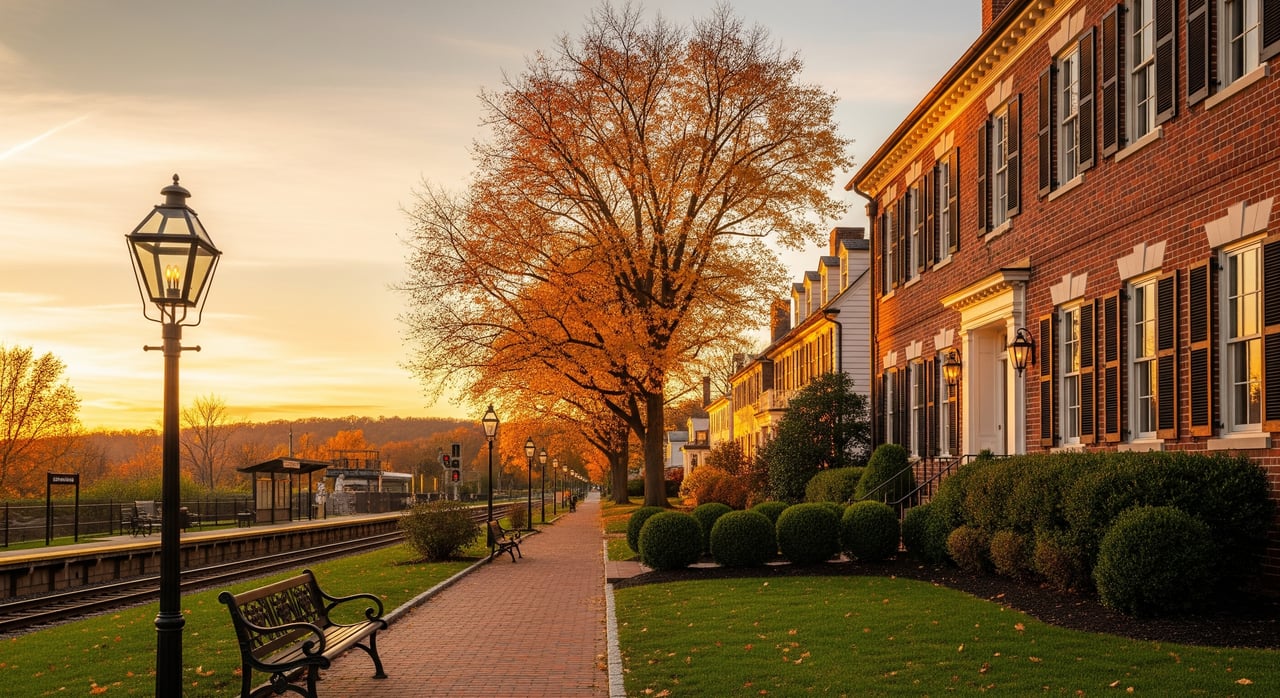
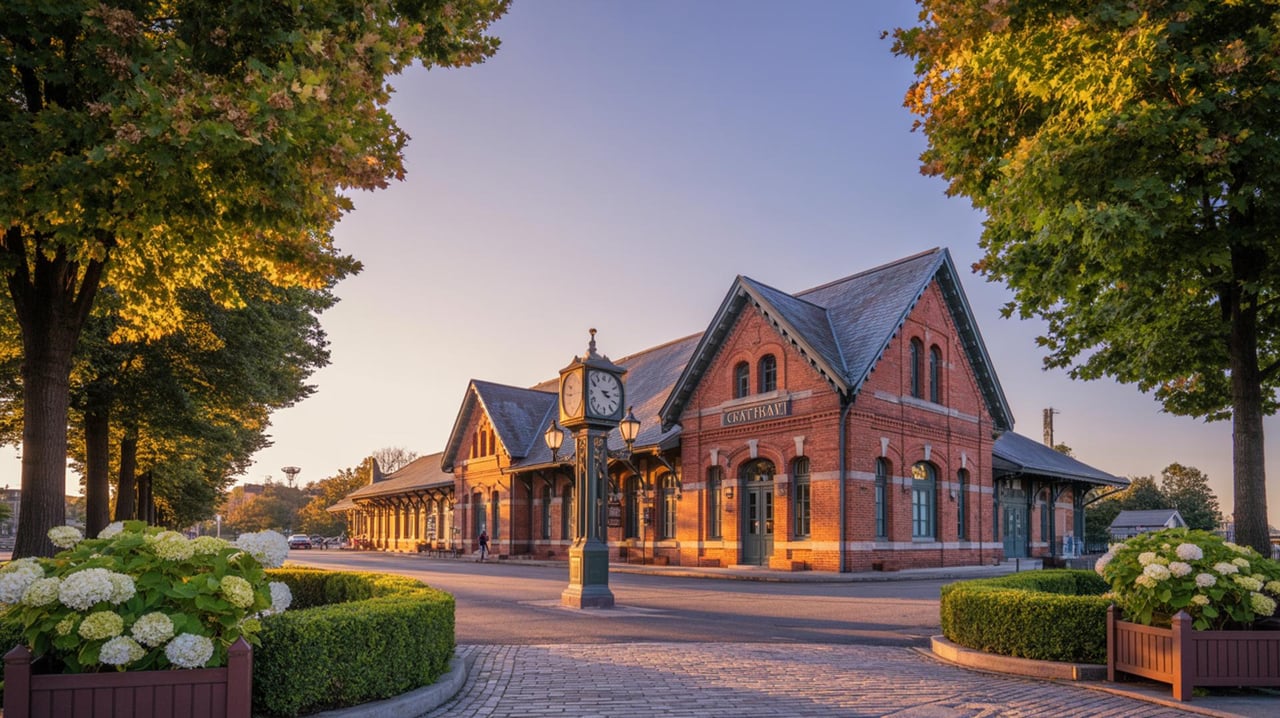
- Chatham Borough: The compact, walkable village center with smaller lots and many older homes close to downtown and the NJ Transit rail station. It’s a strong fit if you value convenience, short yard work, and a lively main-street feel.
- Chatham Township: A more suburban to semirural setting with larger lots, larger homes, and more dispersed shopping. It suits buyers who want space, privacy, and room for outdoor amenities, with more frequent driving to reach errands and transit.
Remember, there is overlap. Some Township pockets are close enough to the Borough’s downtown and station to walk or bike, while some Borough streets enjoy bigger lots. Always evaluate the specific address.
Housing style and age
What you see on home tours differs between the two micro-markets, starting with architecture and vintage.
Chatham Borough homes
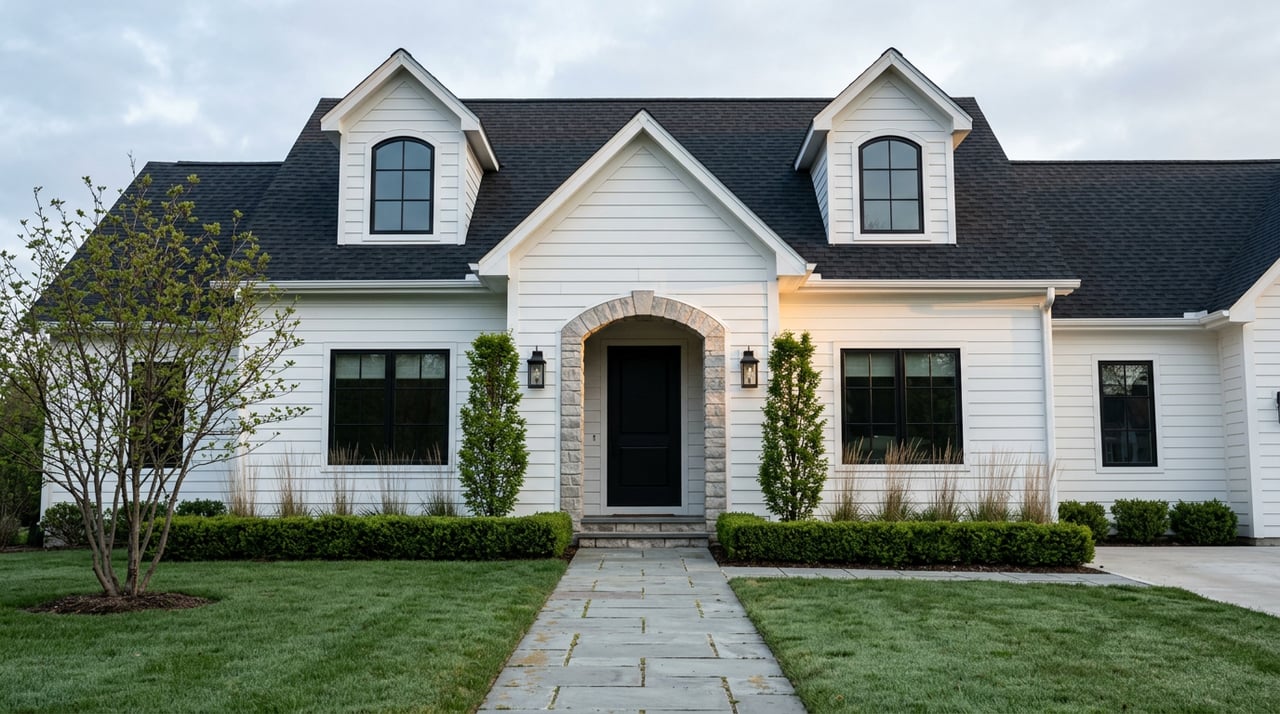
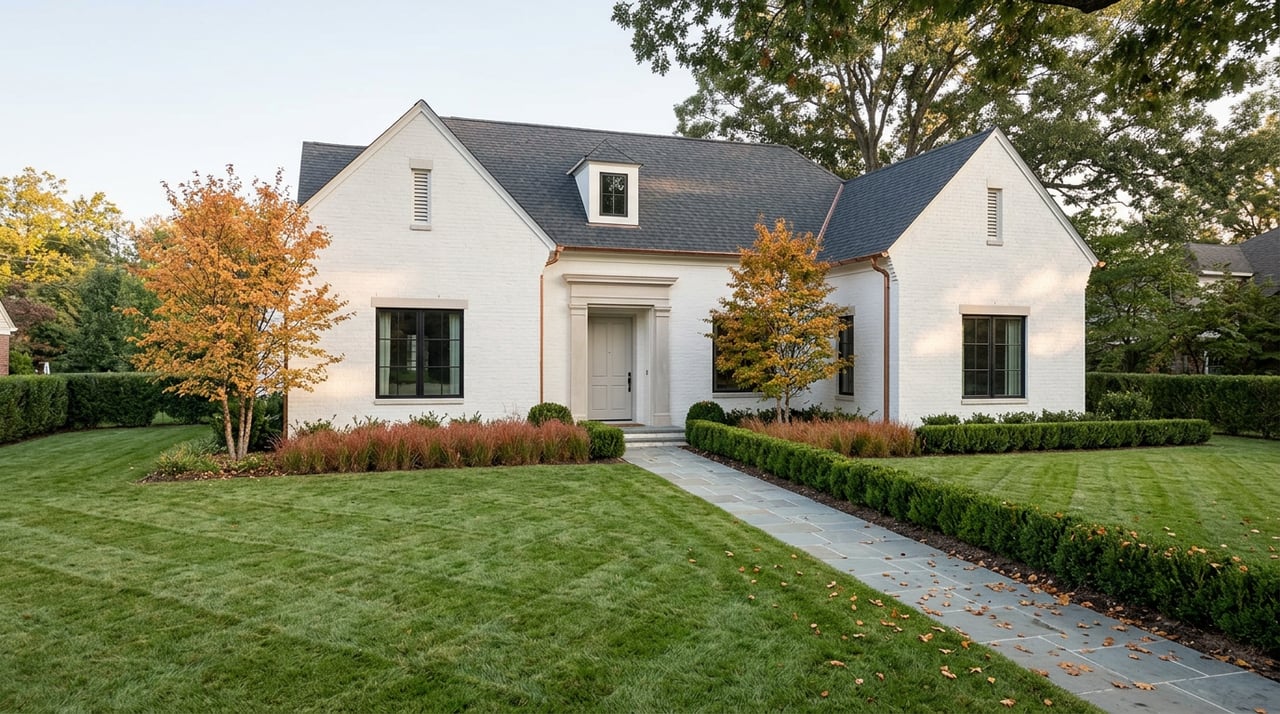
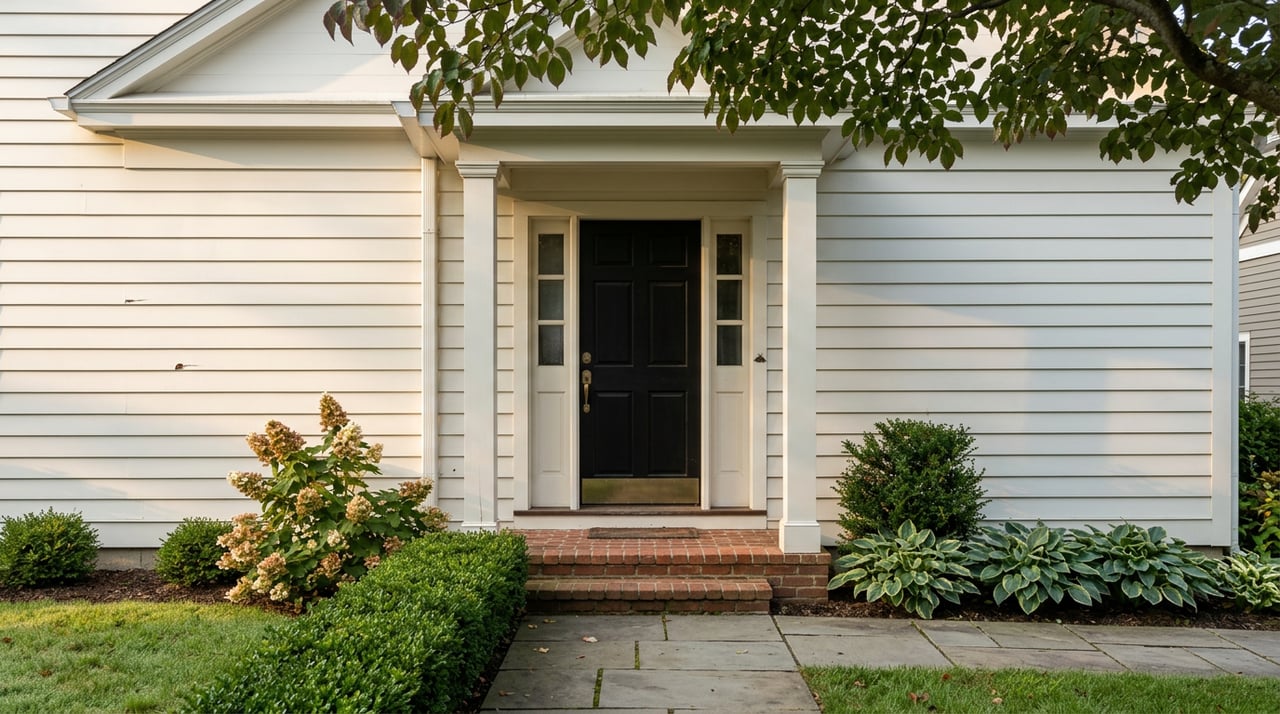
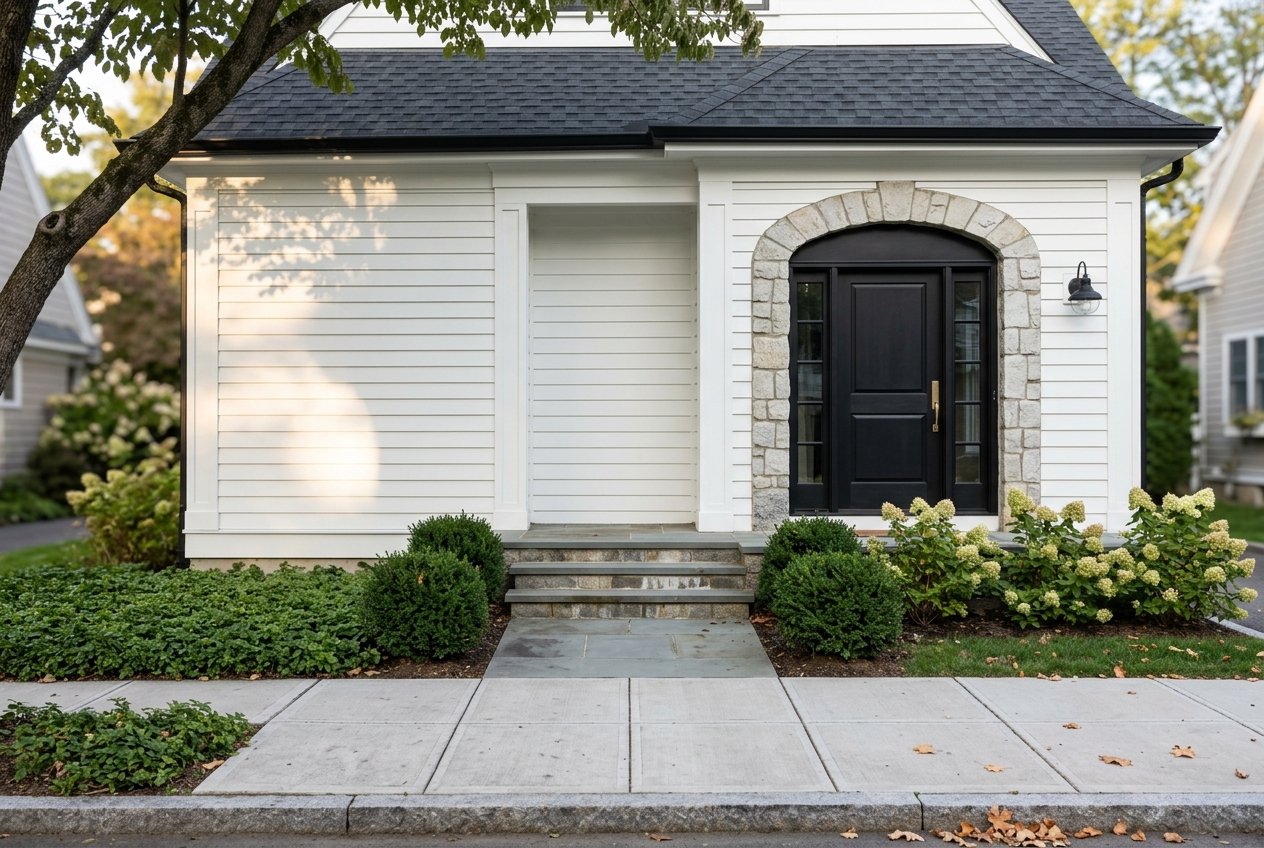
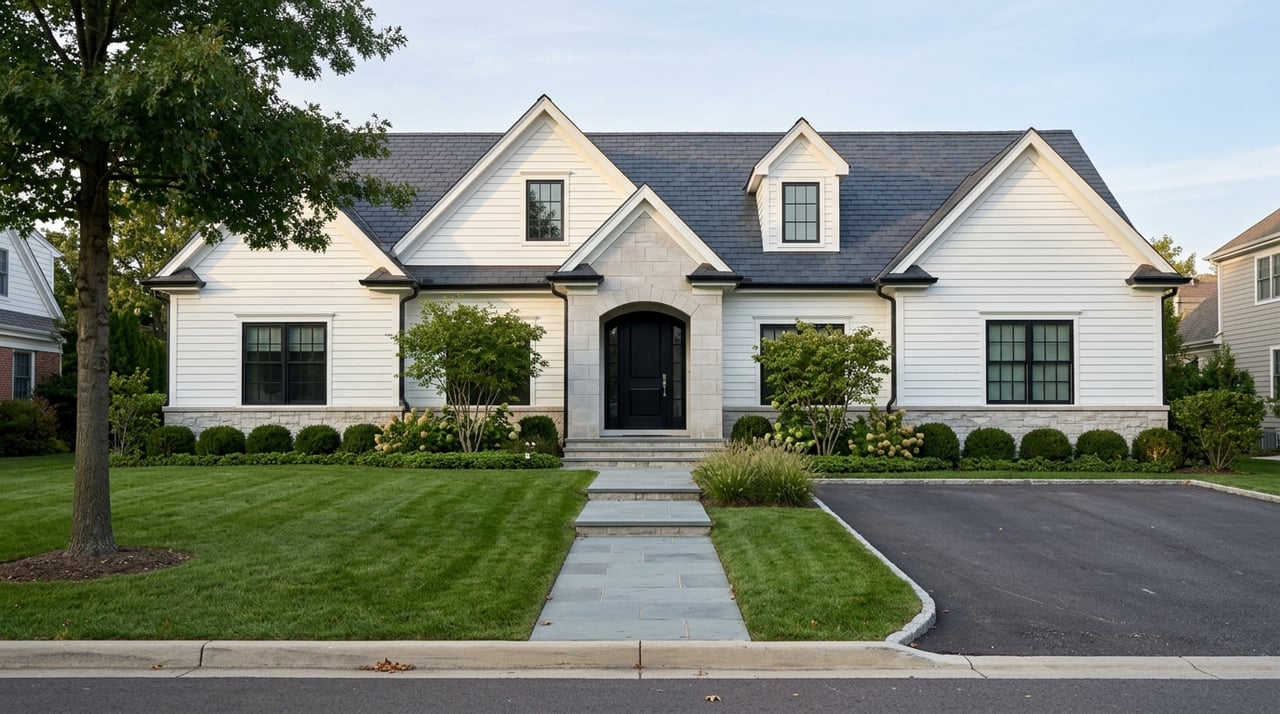
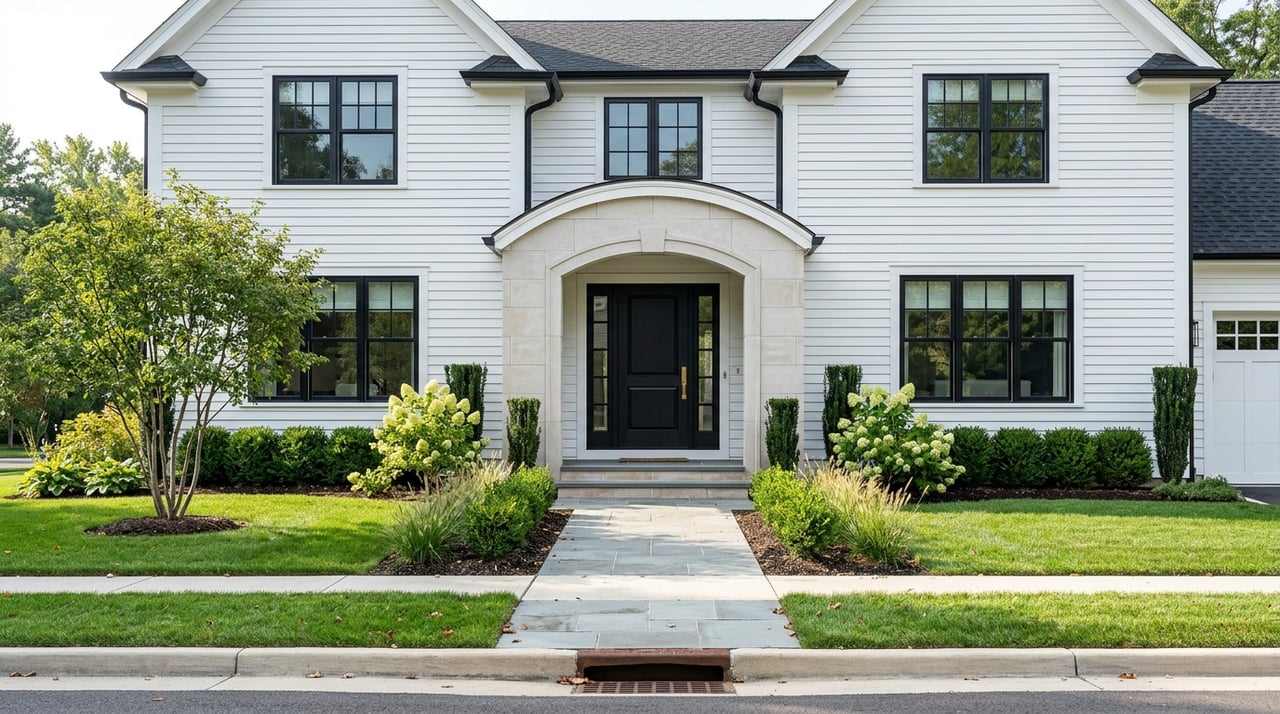
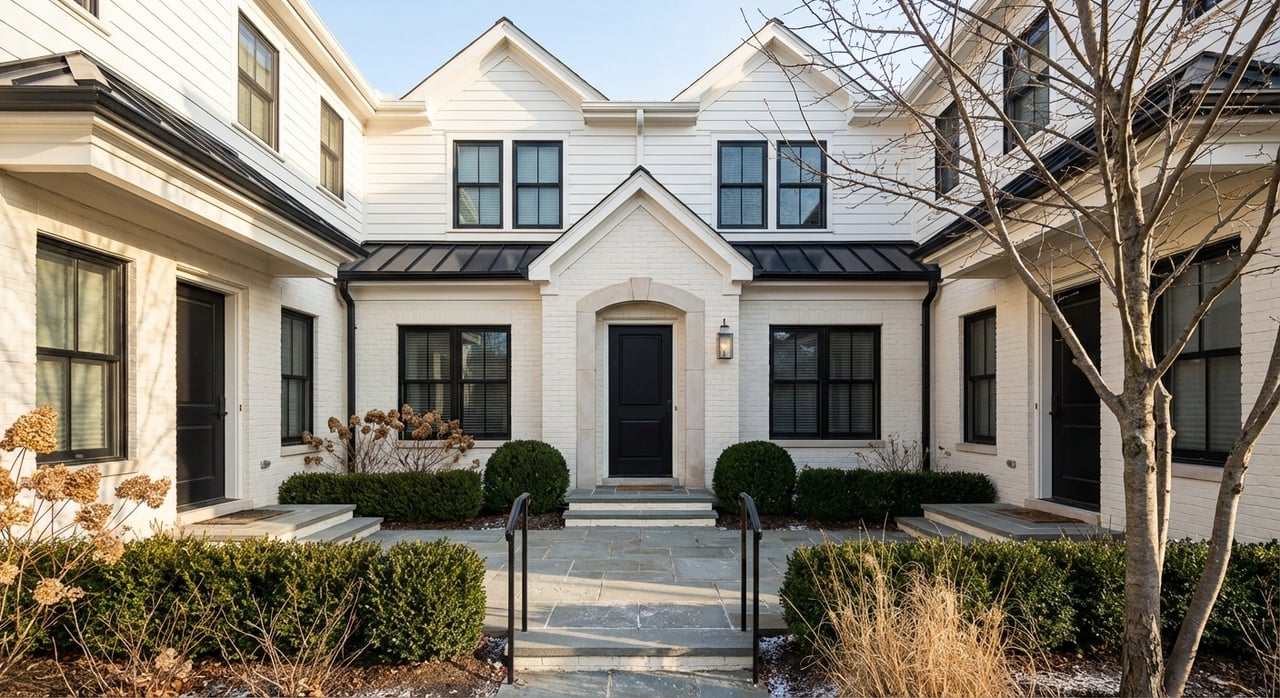
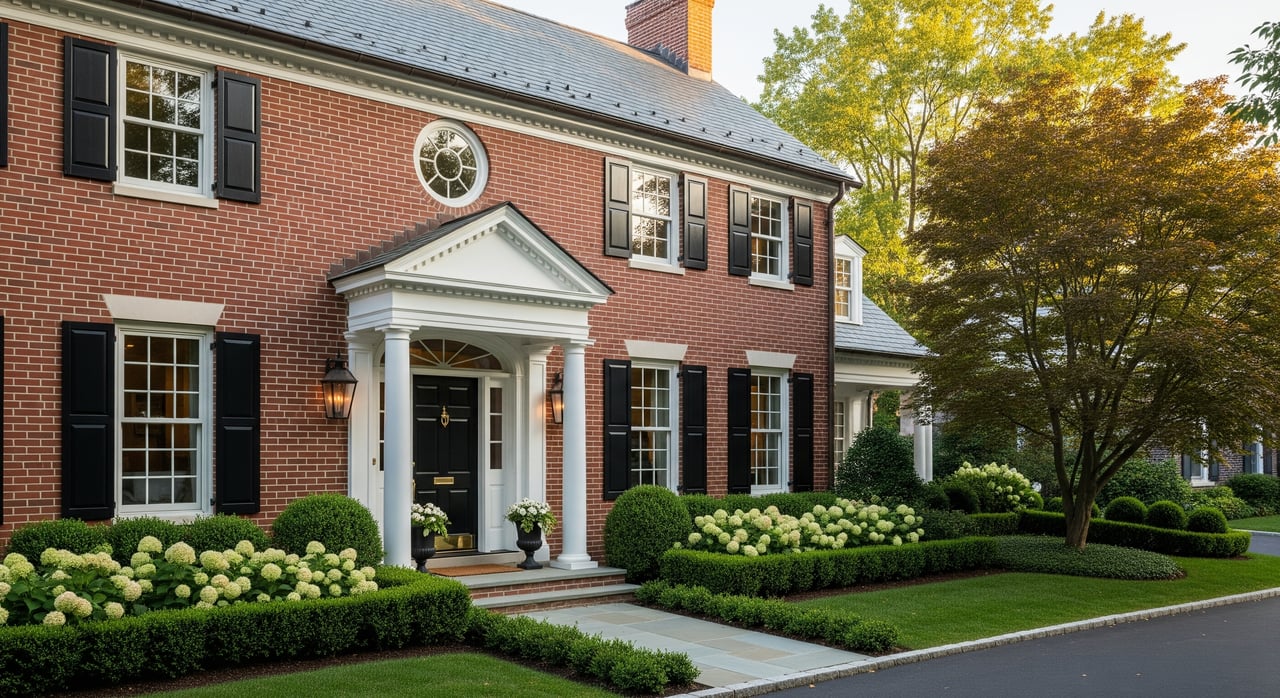
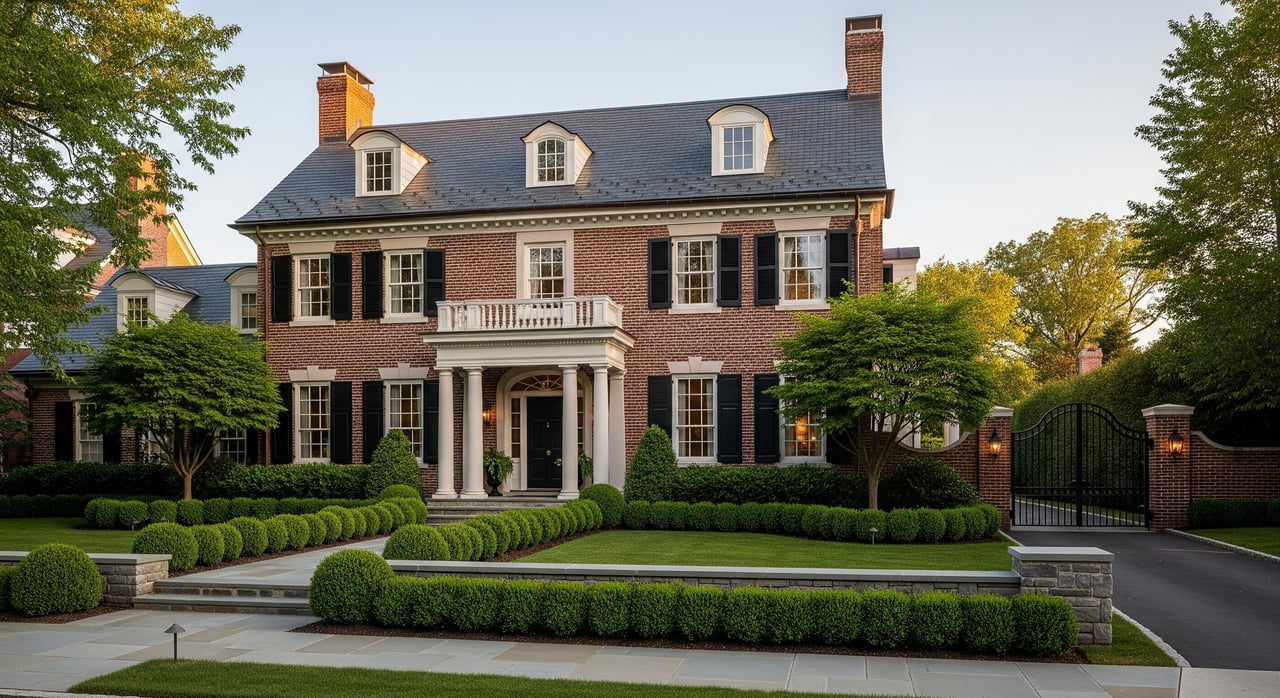
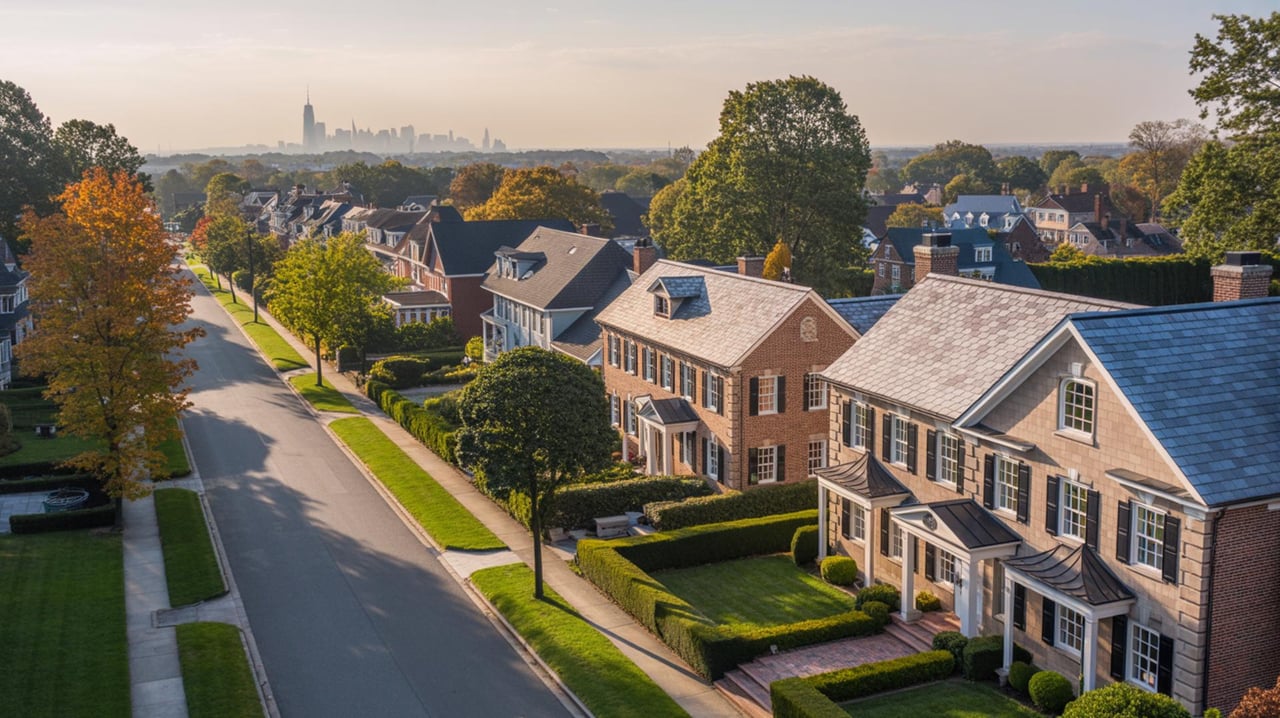
- You’ll find mostly single-family homes in older, village-style neighborhoods. Expect many early to mid-20th century Colonials, Tudors, Dutch Colonials, Cape Cods, plus occasional Victorian-era properties.
- Lots skew smaller, with bungalows and modestly sized Colonials common. Many homes have finished basements or thoughtful additions completed over time.
- There are some townhouse/condo and multifamily options, mostly near the downtown and train area.
What to expect on condition: Older Borough homes often mix historic character with modern updates. Kitchens, baths, and systems may have been renovated in stages, so review permits and timelines when possible.
Chatham Township homes
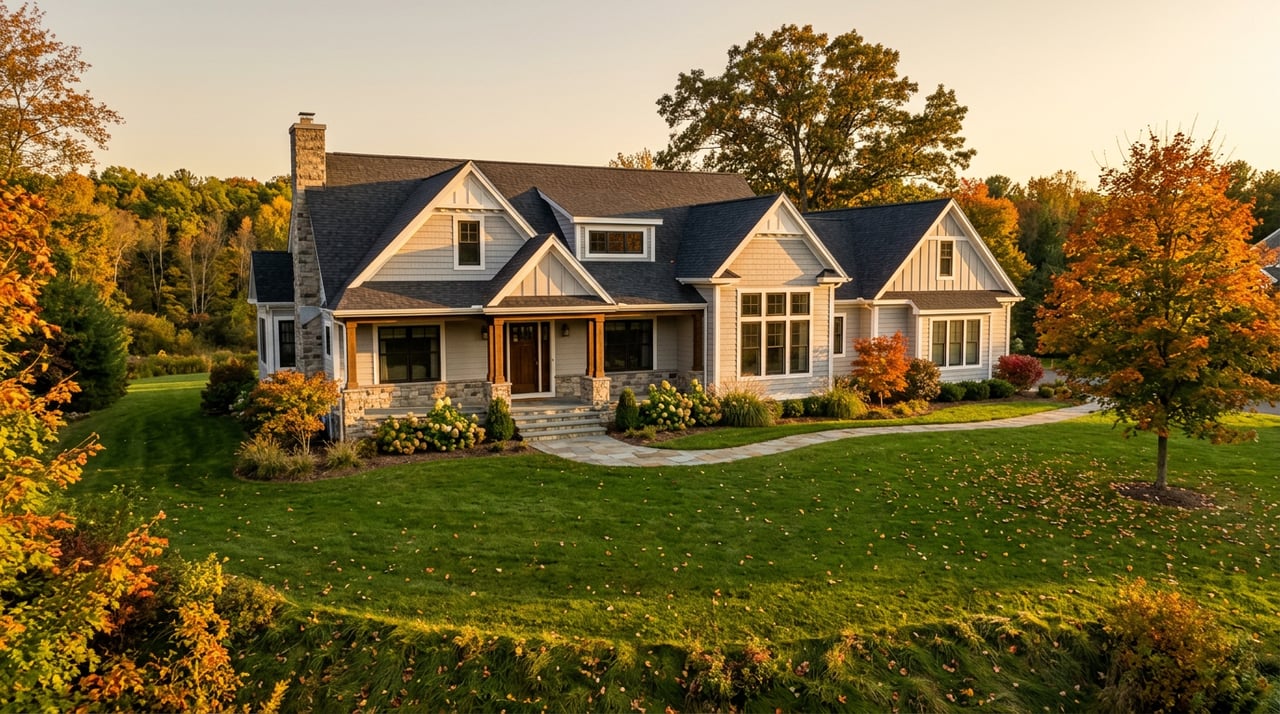
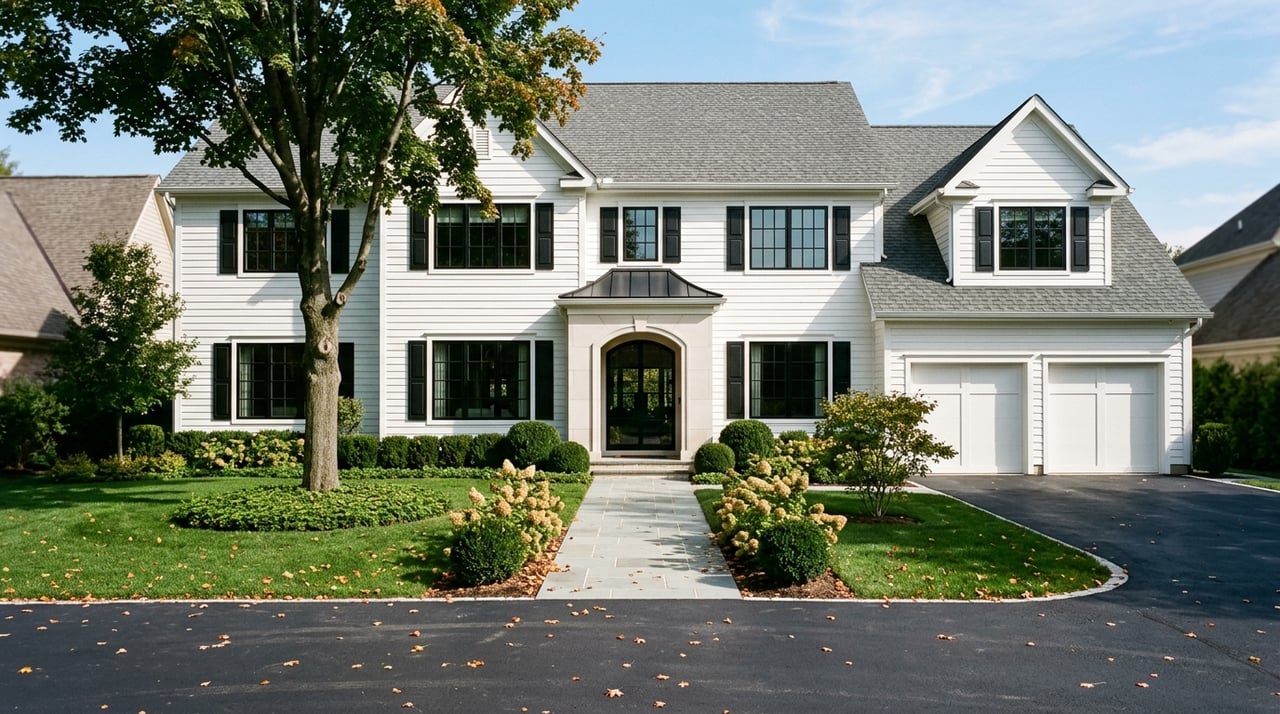
- You’ll see more mid-century ranches and Colonials, newer custom builds, and late-20th-century subdivisions with larger footprints.
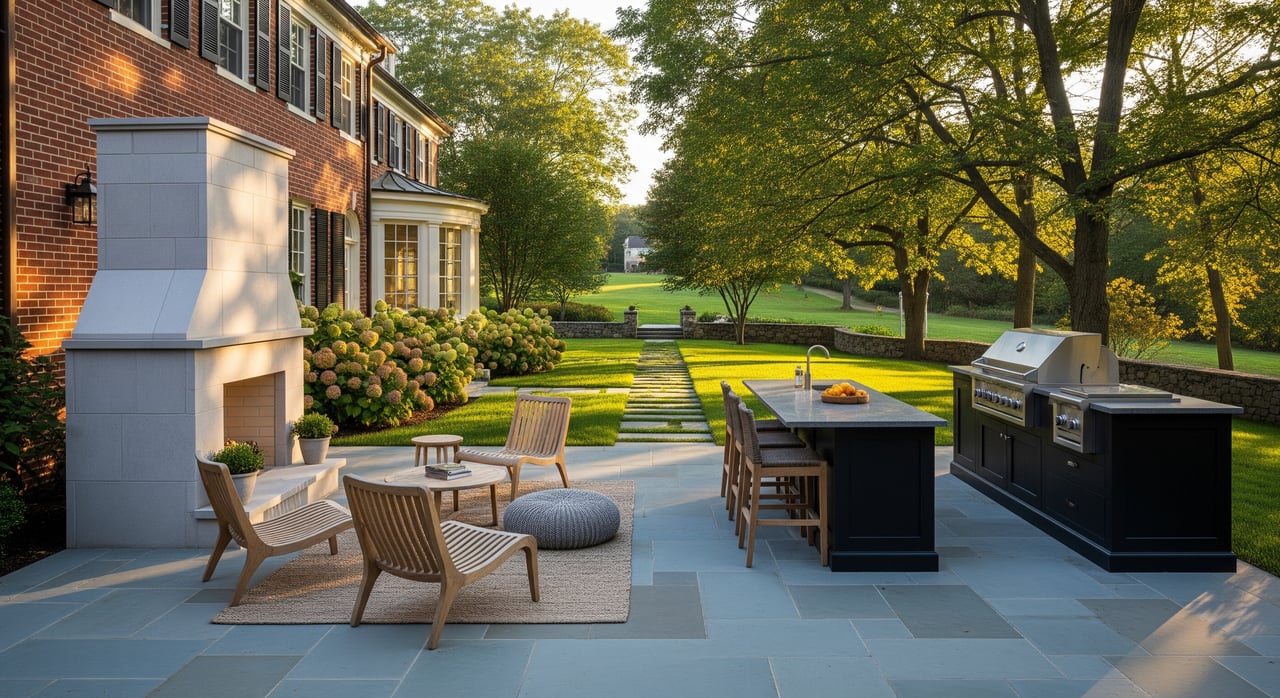
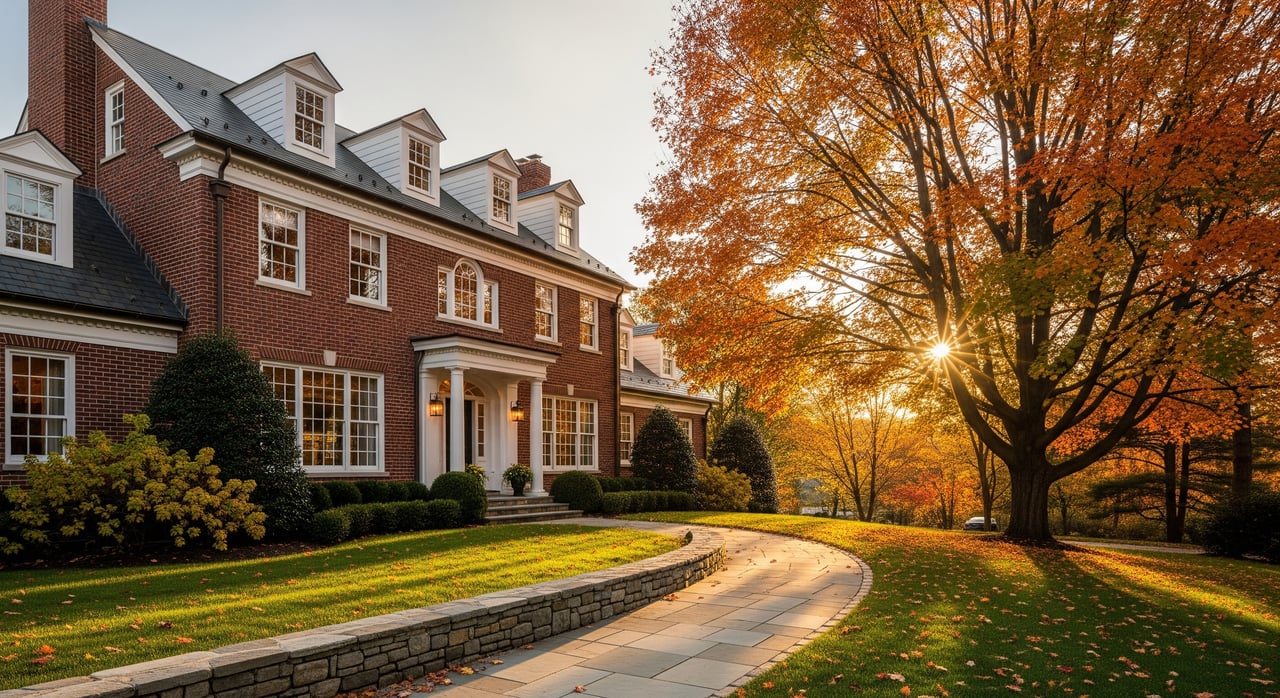
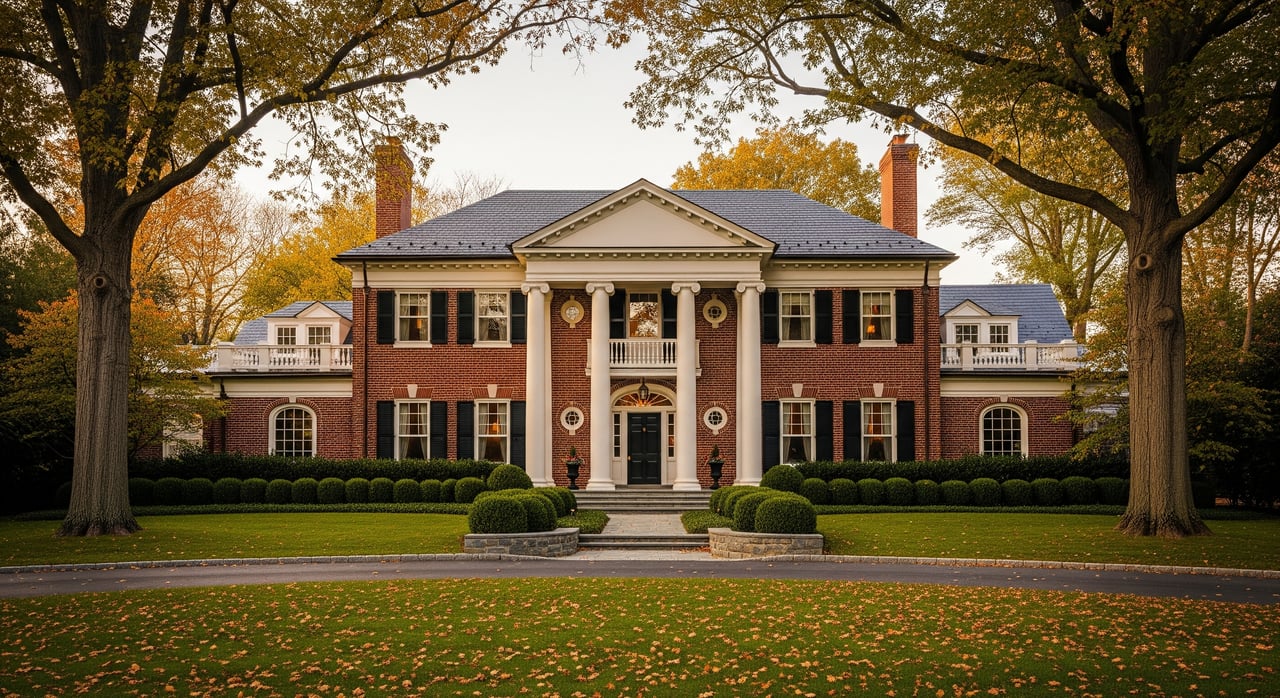
- Larger square footage, multi-car garages, and outbuildings are more common. Some neighborhoods include estate-style properties on substantial acreage.
- There are fewer attached or multifamily options compared with the Borough.
What to expect on condition: Township inventory includes many newer floor plans and systems, but you’ll also encounter older farm or estate properties that may require significant updates.
Market behavior to know
- Borough listings near the train and downtown tend to move quickly and can see higher competition, especially for well-maintained, smaller homes.
- Township homes on large lots can have longer days on market and more pricing variability. The buyer pool for acreage is more specific, so presentation and condition matter.
Lot sizes and outdoor living
One of the biggest tradeoffs is land.
Typical ranges
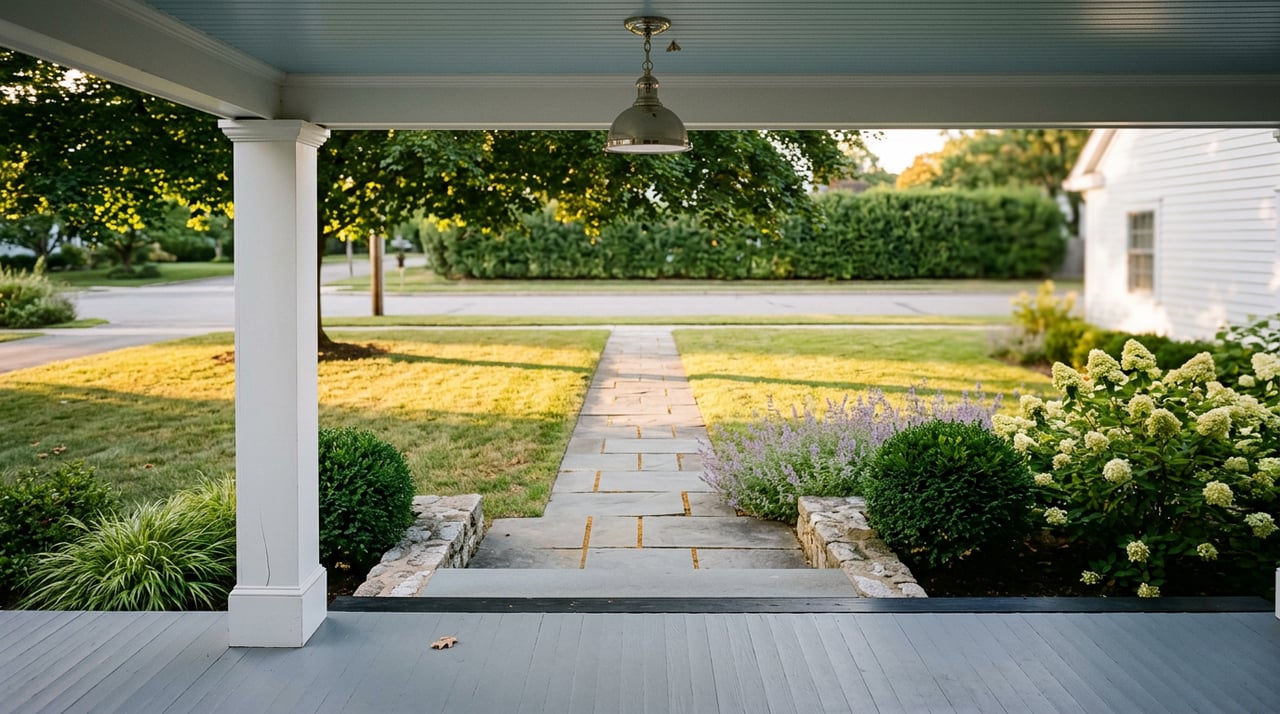
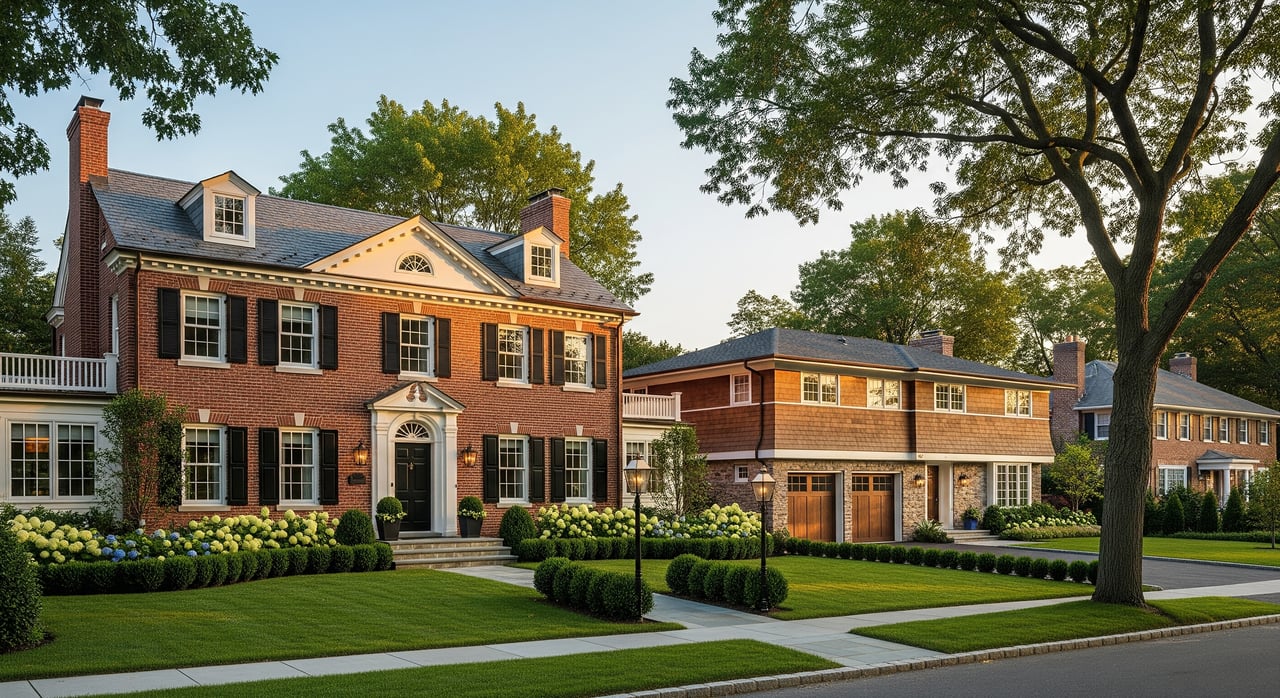
- Chatham Borough: Lots often measure under a half acre, with many in the range of a few tenths of an acre. Think front porches, compact backyards, and mature street trees.
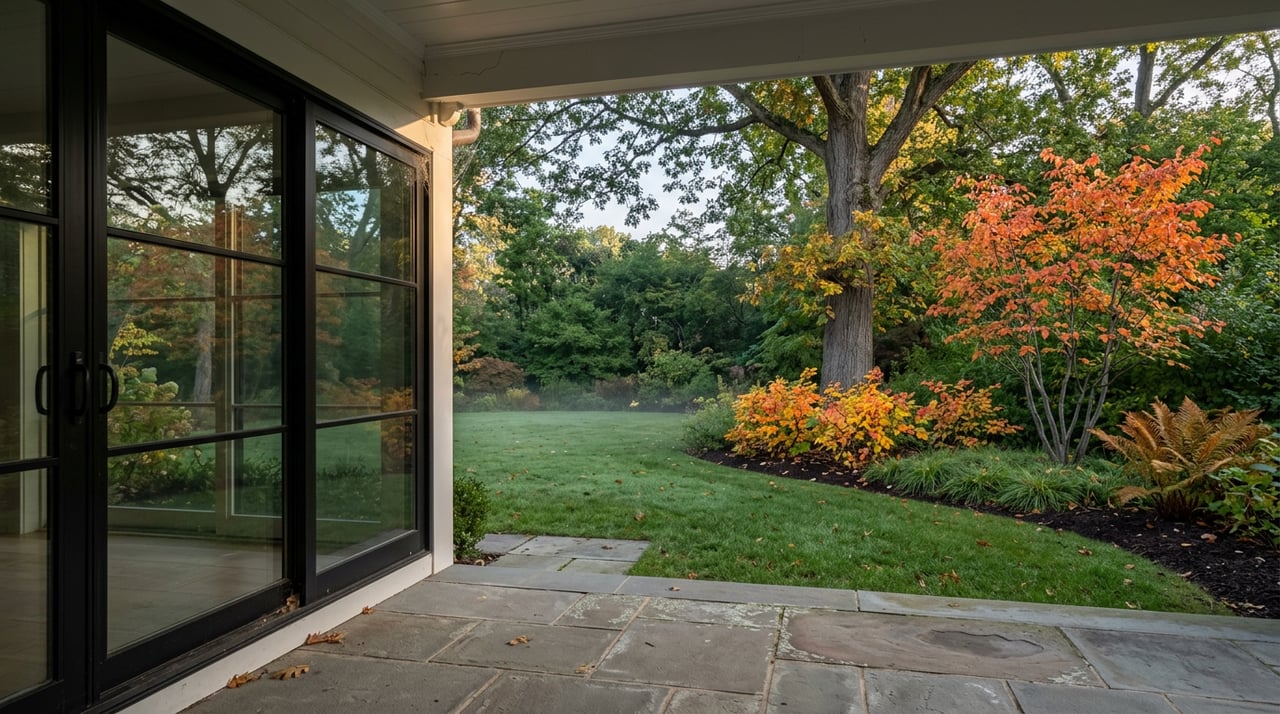
- Chatham Township: Larger lots are common, from roughly 0.5 to 2-plus acres, with certain neighborhoods offering 1 to 5-acre estate settings. Expect bigger setbacks, wooded buffers, and greater privacy.
Always confirm lot size on the tax record and municipal GIS. A quick check can prevent surprises.
Maintenance and projects
- Maintenance: Smaller Borough lots often mean less time and cost for mowing, landscaping, and snow. Township acreage can increase maintenance for lawns, trees, long driveways, and pools. If a property has a septic system, factor in routine care.
- Expansion potential: Larger Township parcels more often accommodate additions, accessory buildings, and private amenities like pools or sport courts. Borough lots can support smart expansions, but lot coverage and setbacks may require careful planning or variances.
Zoning and landscape rules
Zoning can shape your options as much as the land itself. Minimum lot sizes, setbacks, lot coverage limits, rules for accessory structures, and any tree protection or steep-slope ordinances can affect what you can build or remove. Borough zoning tends to reflect smaller-lot districts, while Township zoning spans larger-lot residential and some protected natural areas. If you are planning a pool, an addition, or an accessory structure, investigate zoning early.
Downtown access and daily life
Your daily routine is a major quality-of-life factor. Here is how convenience differs.
Borough convenience
- The Borough features a compact downtown with retail, restaurants, cafes, local services, and the municipal green clustered near the NJ Transit station.
- Sidewalk coverage, short blocks, and pedestrian-friendly streets create a strong walkability advantage in the core.
- A visible main street identity and frequent community events give the Borough a village feel.
Township rhythm
- The Township does not have a single, concentrated downtown. Shopping and services are more dispersed among neighborhood and strip centers.
- Walkability varies by neighborhood. Some areas are a short walk or bike ride to the Borough’s downtown; others require a quick drive.
- Buyers who prioritize yard space and privacy often lean Township, while daily walkers and frequent restaurant-goers often prefer the Borough.
Resale implications
Proximity to downtown and the train often supports stronger per-square-foot values and faster resale for small to mid-size homes. If long-term liquidity is a priority, consider the home’s access to amenities as a key value driver.
Commuting and transportation
Both areas rely heavily on regional rail and highways. Your precise commute experience will depend on your address and routine.
Rail
- NJ Transit’s Morris & Essex corridor serves Chatham at the Chatham station. During many peak hours, Midtown Direct service provides one-seat rides into Manhattan.
- Many residents in both the Borough and the Township use Chatham station, or occasionally nearby Madison or Summit stations, based on proximity.
- Schedules change. Always confirm station names and current timetables on official sources before you set expectations.
Bus, shuttles, and driving
- Express bus and private coach services operate from several Morris County towns. Availability varies by stop, and offerings can change over time.
- Many commuters, especially in the Township, combine a short drive with rail by using park-and-ride or municipal lots. Others drive directly to nearby highways for regional travel.
Parking, permits, and access
- Borough: Walking to the station is a major advantage, since parking can be limited and often requires permits or specific lots.
- Township: Many commuters drive to the Borough station and use municipal lots or street parking. Always verify current parking rules, permit availability, and lot locations before you decide on a commuter strategy.
EVs and micromobility
Public charging and on-street EV infrastructure vary. If you plan to install home charging, confirm electrical capacity and garage access. Sidewalks and bike route comfort also vary across neighborhoods, so test your route to the station or downtown during the time you would actually travel.
Costs, utilities, and due diligence
A little homework goes a long way toward avoiding surprises.
Property condition
- Older Borough homes: Inspect foundations and basements carefully. Review plumbing supply line age, look for older wiring types, and confirm the history and permits of any additions.
- Larger Township and estate properties: Confirm septic versus sewer service and, if relevant, well water. Evaluate driveway condition, drainage across larger parcels, and the health of mature trees.
Utilities and services
Water and sewer connections vary by property. Some homes are tied to municipal systems, while others use private systems. Check seller disclosures and municipal records for accurate information. Trash, recycling, and bulk pickup schedules also vary between the Borough and Township.
Property taxes and associations
Tax bills depend on assessed value and municipal levies. Review recent tax bills for homes you are considering so you can budget accurately. Some Township neighborhoods have homeowners’ associations with dues, while the Borough generally has fewer HOA-controlled single-family areas. If there is an HOA, review rules for exterior projects.
Permits and expansions
If you plan to add a pool, a garage, or an accessory building, research local zoning and permit requirements early. Setbacks, lot coverage, and any historic or environmental reviews can affect feasibility and timelines. Permit lead times may influence your renovation schedule, so build that into planning.
Resale and liquidity
- Borough: Smaller, well-located homes near downtown and the train tend to attract broad demand and can resell quickly.
- Township: Larger homes on acreage can be more niche. Strong presentation, thoughtful staging, and accurate pricing are important to reach the right buyer pool.
- Both markets respond to broader housing conditions, so consult current local market reports for timing-sensitive decisions.
Which area fits your lifestyle
You can love both, but one usually edges out based on priorities.
- Choose the Borough if you want frequent walks to shops, dining, and the train, a smaller yard, and a lively, village feel. Expect older homes with character and thoughtful updates.
- Choose the Township if you want more indoor-outdoor space, privacy, and room for amenities like a pool or sport court, with more frequent driving to reach errands and transit.
Not sure which to pick? Tour a home in each area on the same day. Pay attention to your commute to the station or highways, how the streets feel underfoot, and the time it takes to reach errands you run weekly.
Buyer checklist for tours
Use this quick list to compare specific listings with clarity.
- Map the lifestyle: Note walking time to the Chatham station and Borough downtown. Check sidewalk presence, crosswalks, lighting, and hill grades along the route.
- Confirm lot details: Verify lot size on the tax record and municipal GIS. Review setbacks, lot coverage, and any restrictions that could affect additions or accessory structures.
- Verify utilities: Is the home on municipal water and sewer, or well and septic? Confirm via seller disclosures and municipal records.
- Plan your commute: Check rail timetables, test a real-time drive to highways at your typical departure hour, and confirm station parking rules and permit availability.
- Budget for maintenance: Estimate landscaping, tree care, snow removal, driveway upkeep, and any pool or septic service.
- Review taxes and fees: Look up the most recent property tax bill and check for HOA dues or rules if applicable.
- Assess drainage and trees: On larger lots, evaluate grading, runoff, and the condition of mature trees.
- Think expansion: If you plan a renovation, confirm zoning allowances, permit requirements, and potential review processes early.
When you compare apples to apples on these points, the right choice between Borough and Township becomes clear.
If you want a calm, confident guide through Chatham’s micro-markets, you deserve support from a local pro who knows the streets, the permit desks, and the commuter playbook. Whether you are prioritizing walkability or acreage, the best decision is the one that fits your daily life and long-term goals. If you are ready to explore homes on both sides of town and want a clear plan from search to closing, reach out to Karen Torrente for local expertise and personalized representation.
FAQs
Is Chatham Borough walkable to the train for most homes?
- Many homes in the Borough core are within a short walk of downtown and the NJ Transit station, but confirm distance, sidewalks, and elevation on a per-address basis.
What lot sizes are typical in Chatham Township, NJ?
- Township lots commonly range from roughly 0.5 to 2-plus acres, with certain neighborhoods offering 1 to 5-acre estate properties.
How do commuting options differ between the Borough and Township?
- The Borough favors walking access to rail, while many Township residents drive to the station or highways and may use permit parking or park-and-ride options.
What should I check about utilities for Chatham homes?
- Verify whether the property is on municipal water and sewer or well and septic, and confirm details with seller disclosures and municipal records.
Are there HOAs in Chatham Township?
- Some Township subdivisions have homeowners’ associations with dues and rules, while the Borough generally has fewer HOA-controlled single-family areas.
Which has stronger resale potential, Chatham Borough or Township?
- Proximity to downtown and the train often supports faster resale for smaller homes in the Borough, while large-acreage homes can be more niche and presentation-sensitive.