Thinking about living in Madison while working in Manhattan? You are not alone. Many buyers love Madison’s small-town feel and want a commute that is dependable and efficient. In this guide, you’ll learn how Midtown Direct works from Madison, what to know about station parking, realistic backup routes, and smart timing and cost trade-offs so you can plan with confidence. Let’s dive in.
Midtown Direct basics
Midtown Direct is NJ Transit’s service that routes many Morris & Essex Line trains directly into New York Penn Station. That means you can often board in Madison and ride straight into Manhattan without changing trains. Service patterns vary by time of day and by day of week, so it is important to check the current timetable or NJ Transit’s mobile app as you plan.
During peak periods, you will usually see more frequent trains and some that skip stops, while off-peak service may be less frequent and require careful train selection. Weekend schedules are different and often less frequent than weekdays. Always verify times before you leave home, especially around holidays or planned track work.
Many commuters prefer direct trains into New York Penn. When a direct option does not match your timing, you can still reach Manhattan by transferring. Common transfer points include Newark Broad Street or Newark Penn Station. Build a small buffer for transfers to keep your morning stress low.
Picking trains that fit your day
To match your work hours, identify two or three candidate departures that arrive when you need them. Save them in the NJ Transit app so you can see real-time status each morning. If you have an inflexible start time, keep one earlier train as a fallback in case of crowding or service changes.
Express and local trains have different patterns. Local trains stop more often and can take longer, while express runs are quicker but may be less frequent. Test a couple of departure times during your trial week to learn which rides feel most reliable for you.
Madison Station logistics
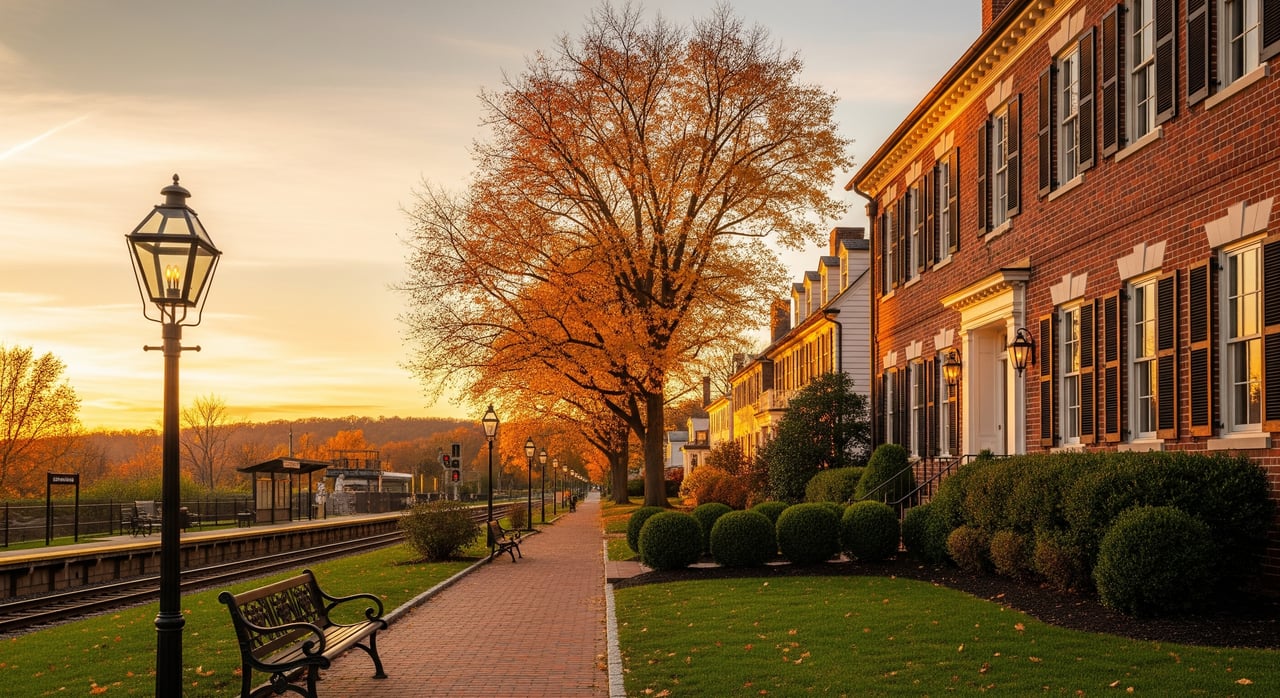
Madison Station sits near the heart of downtown, so many residents can walk to the platform while enjoying nearby shops and services. If you plan to rely on daily parking, understand the municipal rules before you move.
Parking near popular Morris County stations is usually a mix of monthly permit spaces and day-rate spots. In many towns, resident permits have waitlists, and rules can change seasonally. Contact the Borough of Madison for the most up-to-date permit details, lot maps, and fees. If you will use day parking, confirm current payment options, such as coin, credit card, or mobile app.
For curbside drop-off, look for signed commuter zones that allow quick stops without blocking traffic. If ADA access is part of your plan, review station access points and elevator status before the first day you need them. Biking is also popular for first-mile connections. Ask about bike racks or lockers and how early they fill during peak season.
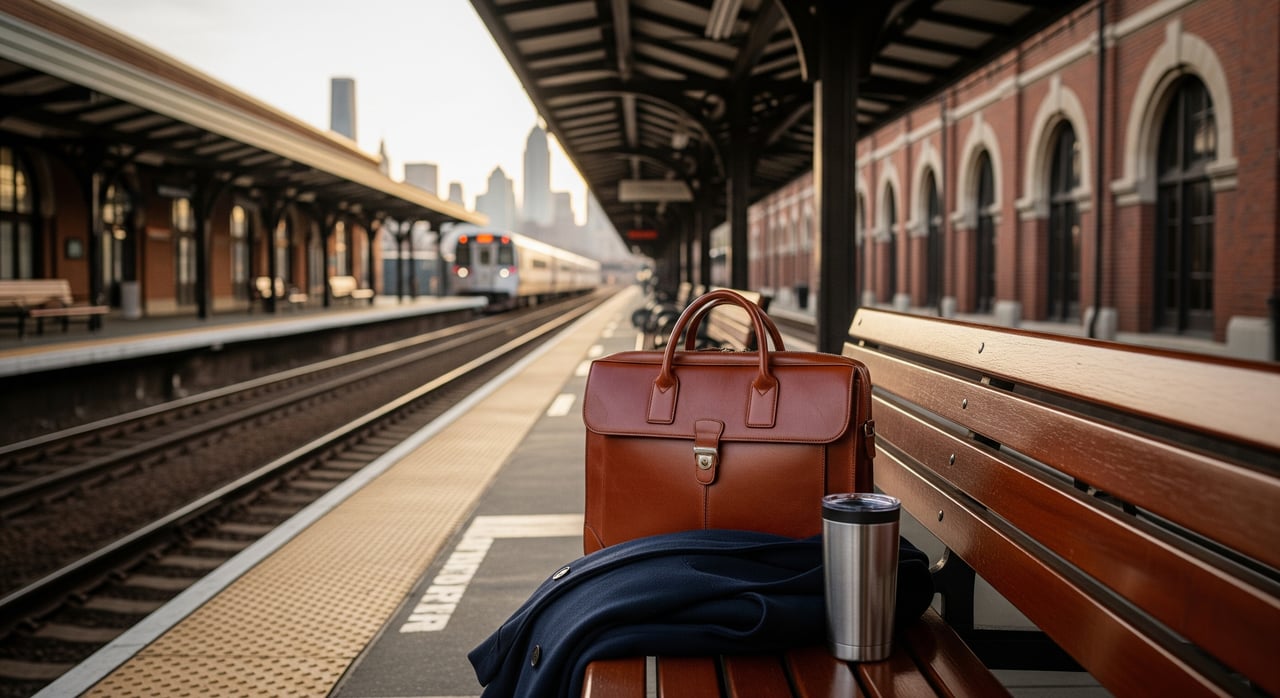
Lighting, shelters, and ticket machines help make early mornings and late returns more comfortable. In winter, platforms and walkways can be slippery, so add extra time on snowy days. If you are new to the station, arrive 10 to 25 minutes early for your first few commutes. This gives you time to find parking, pay, and get to the right spot on the platform before the train arrives.
Alternatives and backup routes
Smart commuters always keep a Plan B. From Madison, you have several practical options when a direct train is not available or when service is disrupted.
- Newark Broad Street or Newark Penn Station: These hubs allow transfers to other NJ Transit lines and access to Manhattan services. If a direct Midtown Direct train does not line up with your schedule, a one-transfer ride via Newark is a common solution.
- Secaucus Junction: For some service patterns, a change at Secaucus can connect you to trains into New York Penn Station. Check timing and platform information in the app so you do not miss the connection.
- Hoboken Terminal: If you prefer to use the PATH system or need an alternative path to downtown Manhattan, a connection at Hoboken can work. Review PATH schedules when planning this route.
- Nearby stations: Morristown, Summit, and Chatham are realistic backups if you drive. They sometimes offer different service patterns, more frequent departures at certain times, or more parking capacity. Verify lot rules and availability before relying on a secondary station.
- Bus and park-and-ride: Regional express buses and park-and-ride lots are another fallback for urgent days or planned track work. You can also use rideshare or vanpool services as a short-term solution when timing is tight.
A simple backup template keeps you calm under pressure. Identify one earlier and one later train than your ideal, a nearby station you can drive to if parking is full, and a bus or rideshare option you are comfortable using. Sign up for NJ Transit alerts and check the app before you leave each day.
Timing, fares, and trade-offs
Your true door-to-door time includes more than the ride itself. Parking, platform positioning, and boarding can add meaningful minutes, especially during peak periods. Peak trains can be crowded, so board a bit early if you want a seat. If you are walking or biking, time your route and account for weather.
Build a 10 to 20 minute buffer beyond the scheduled travel time for parking and transfers, especially during your first weeks. In winter, plan for slower walks, icy stairs, and occasional service slowdowns. For parents with daycare windows or tight meetings, these buffers are essential.
NJ Transit uses a zone-based fare system. Monthly passes often provide better value for daily peak commuters, while occasional riders might prefer one-way or ten-trip purchases. To compare train costs with driving, consider tolls, fuel, New York City parking, and any station parking permits or day fees. Also budget for occasional rideshares when service is disrupted.
Time versus money is the core trade-off for many buyers. Living close to the station can cut daily stress and reduce your need for parking. If you work hybrid or flexible hours, proximity to higher-frequency service can mean more options and fewer rushed mornings. Reliability often matters more than shaving a few minutes, so choose a routine that feels predictable.
Family logistics are part of the equation. If you share school drop-off, daycare pickup, or after-school activities, structure your commute window around those commitments. Pick a train that leaves a cushion for the unexpected, like a delayed handoff or a last-minute meeting.
Try-the-commute game plan
Before you sign a lease or make an offer, test the commute you expect to use. A few dry runs will tell you more than a timetable ever could.
- Map your options. Pick two or three trains that work for your start time, plus one backup. Save them in the NJ Transit app for easy reference.
- Time your door-to-platform route. If you plan to park, drive the route, find your lot, and practice paying for day parking. If you will walk or bike, try that at commute hour.
- Set an early arrival goal. Plan to reach the station 10 to 25 minutes early for your first trials so you can board without rushing.
- Test a transfer. For at least one run, try a Newark or Secaucus transfer to see how it feels when the platform is busy.
- Compare the crowd levels. Ride one earlier and one later train on different days to gauge comfort, seats, and predictability.
- Track total door-to-door time. Include parking, walking, and transfers. Note any pinch points you would like to avoid.
- Evaluate. Decide which pattern gives you the best balance of reliability, comfort, and timing.
Commuter checklist
- Save your top 3 trains in the NJ Transit app.
- Enroll in service alerts for your line and station.
- Confirm Madison parking rules, permit status, and daily payment options.
- Identify a backup station, such as Summit, Morristown, or Chatham.
- Pack a portable charger, weather gear, and a small umbrella.
- Set alarms that get you to the platform a few minutes before the crowd.
- Keep a rideshare backup for late meetings or missed connections.
- Review weekend schedules before planning city plans or flights.
Final thoughts
Commuting from Madison to New York City is straightforward once you understand the patterns. Midtown Direct trains make Manhattan accessible, and with a realistic plan for parking, transfers, and backups, you can build a commute that fits your life. If you want help aligning your home search with your ideal commute, connect with a local advisor who knows the stations, blocks, and daily rhythms.
If you are exploring Madison, Chatham, and neighboring suburbs, reach out to Karen Torrente for guidance that blends local insight with your commute goals. Let’s connect.
FAQs
How long does the Madison to New York Penn commute take?
- Travel time varies by train, express versus local, time of day, and transfers. Check the current NJ Transit timetable or app for exact times and build a 10 to 20 minute buffer for parking and boarding.
Is there enough parking at Madison Station?
- Expect a mix of permit and daily spaces, with possible waitlists for monthly permits. Confirm current rules, fees, and lot maps with the Borough of Madison and arrive early on your first commutes.
What are my options if a direct Midtown Direct train is unavailable?
- Use a one-transfer route via Newark Broad Street, Newark Penn, or Secaucus, consider Hoboken with PATH connections, or drive to nearby stations like Summit, Morristown, or Chatham.
Should I buy a monthly NJ Transit pass for Madison to NYC?
- Monthly passes usually offer better value for daily riders. Compare monthly pricing with pay-per-ride options and include station parking, tolls, and any first-mile costs in your calculation.
Are peak-hour trains from Madison crowded?
- Peak trains can be crowded, especially at popular departure times. Try an earlier or later peak train, or an off-peak option when your schedule allows, to find a more comfortable ride.