Wondering whether a historic home or a newer home is the better fit in Madison, NJ? It is a smart question, because in Madison, that choice shapes more than your style preferences. It can affect your daily routine, maintenance responsibilities, renovation plans, and even how closely connected you feel to downtown and transit. If you are weighing charm versus convenience, this guide will help you compare both options with more clarity. Let’s dive in.
Why Madison Makes This Choice Unique
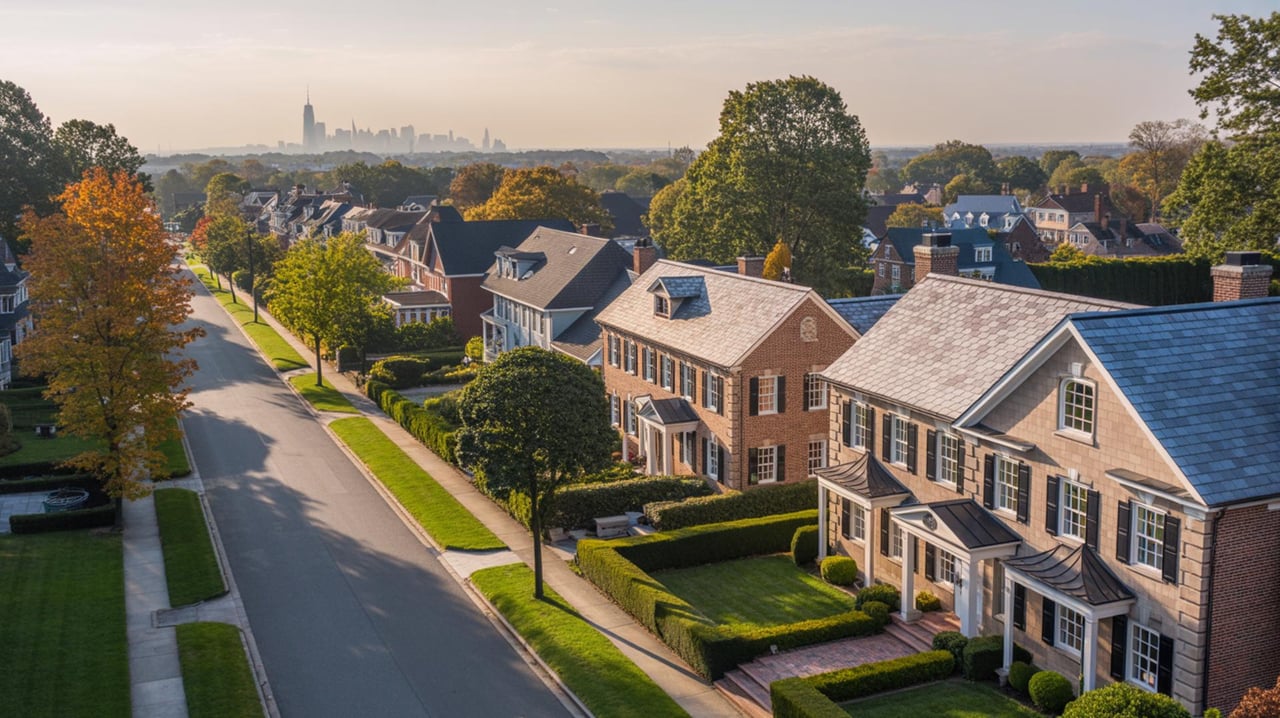
Madison is not a market where historic homes sit in one area and newer homes sit somewhere completely separate. The borough’s housing story is layered, with historic districts, a walkable downtown, and more recent infill and redevelopment all shaping what buyers see today. According to the U.S. Census QuickFacts for Madison Borough, 63.8% of housing units are owner-occupied, and the median value of owner-occupied homes is $943,200.
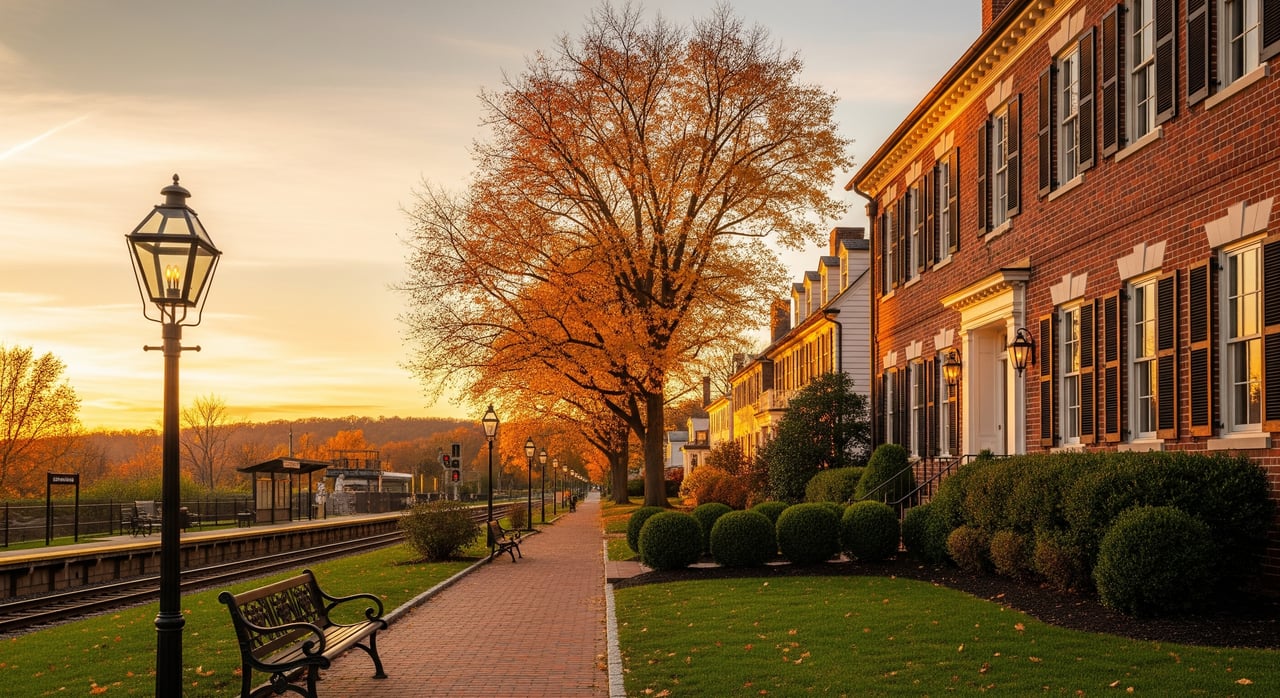
That established housing base helps explain why so many buyers in Madison are choosing between homes with deep architectural roots and more contemporary housing formats. The borough also notes that Madison offers a wide range of housing types and direct NJ Transit rail access to Penn Station through its historic downtown area and train station, which often puts walkability, commuting, and home style into the same conversation. You can see that context in Madison’s Main Street and business development overview.
What Counts as a Historic Home
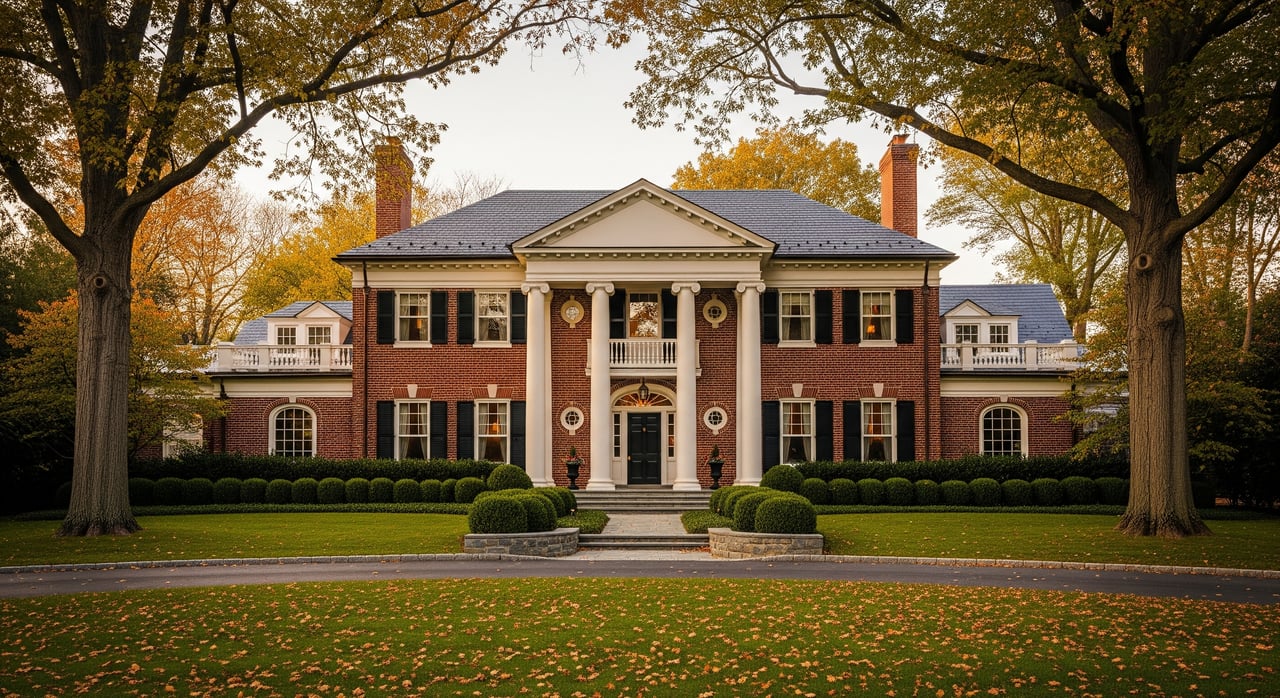
In Madison, a historic home can mean much more than one specific look. The borough’s Bottle Hill Historic District documentation describes the area as Madison’s earliest settlement district, with residential development spanning roughly 1730 to 1930 along Ridgedale Avenue.
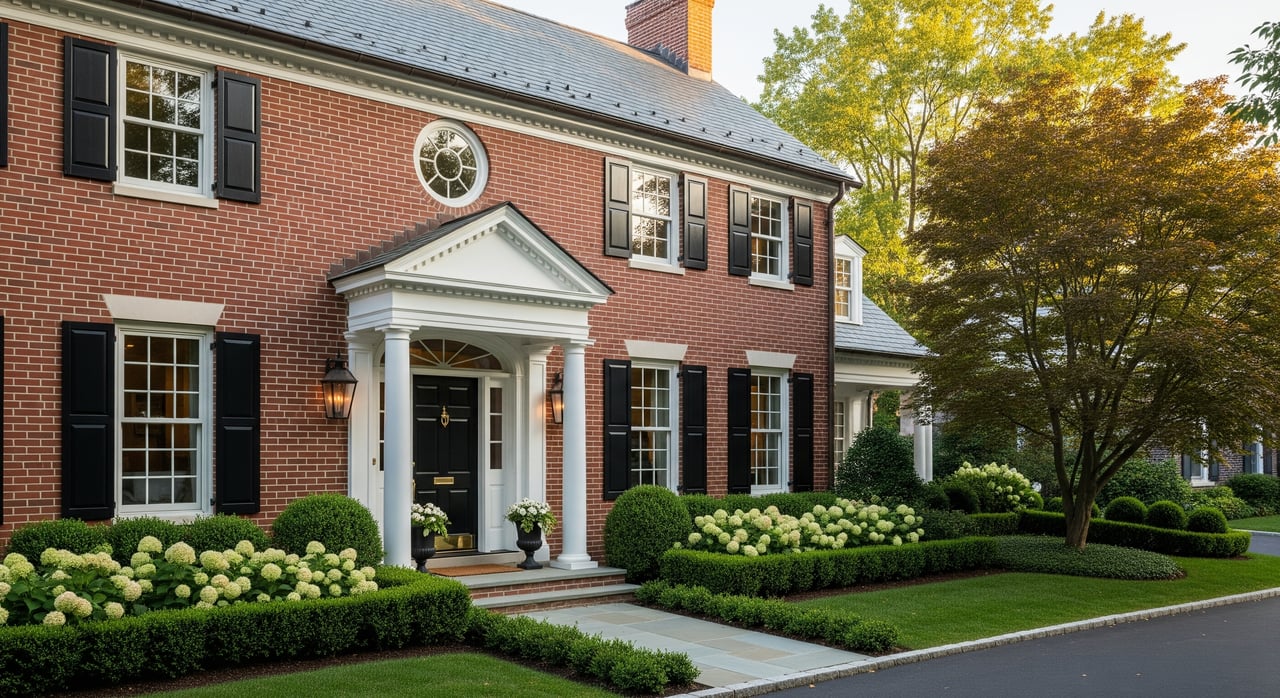
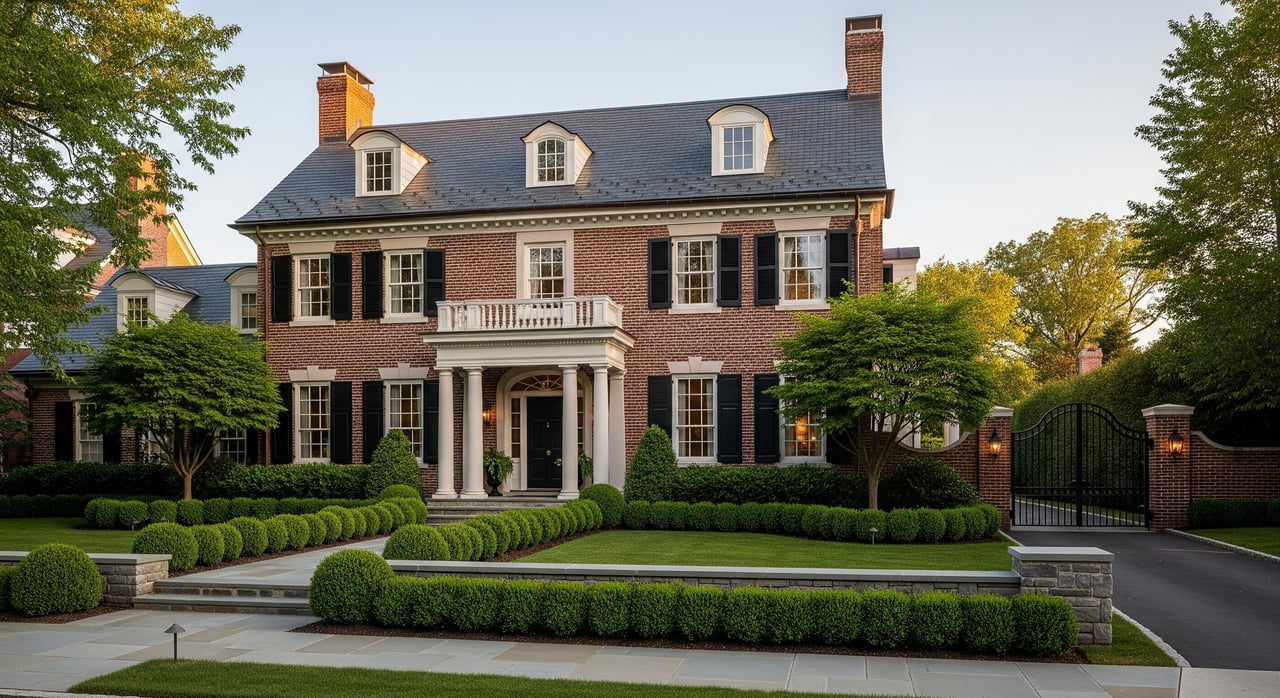
That range includes Colonial and East Jersey Cottage examples, along with later styles like Italianate, Second Empire, Stick Style, and Tudor Revival. In other words, if you are shopping for a historic home in Madison, you are not shopping for one uniform product. You are often choosing among very different layouts, periods, and architectural details.
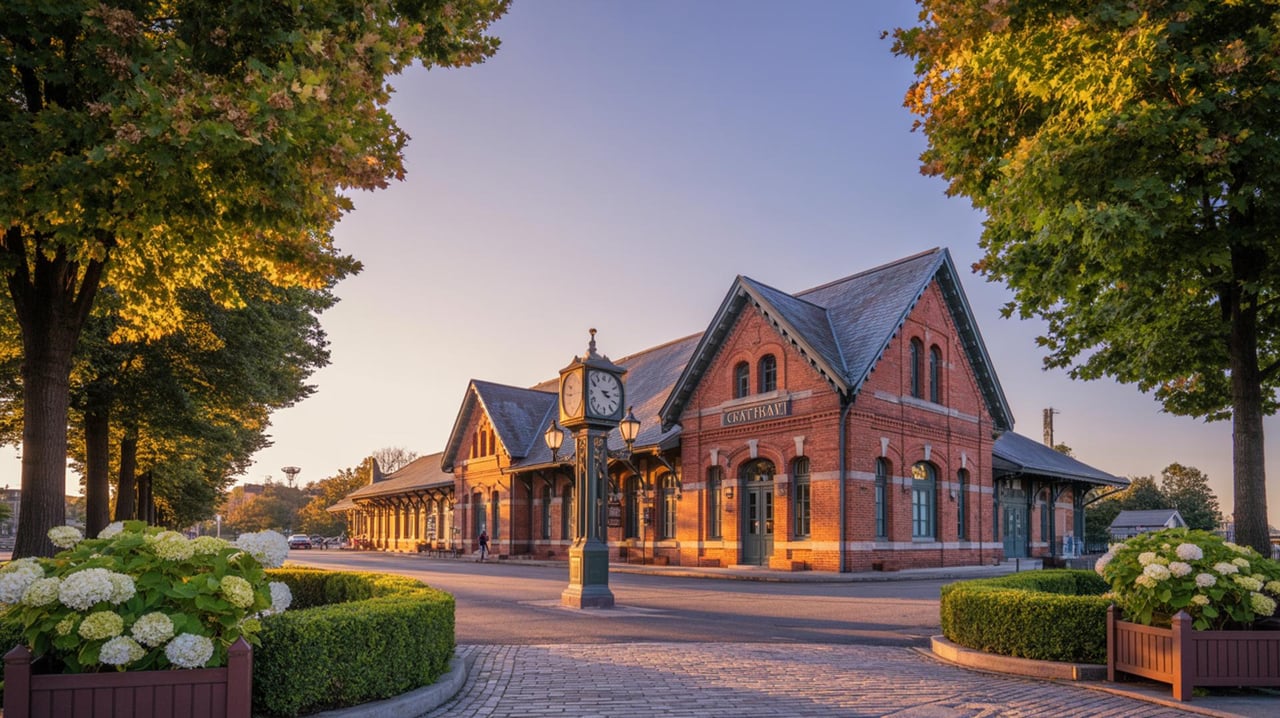
Madison’s historic properties page shows just how broad that range is. The Luke Miller House dates to between 1730 and 1750, the Sayre House to 1745, Mead Hall to 1833, and the Madison Train Station to 1916. That variety gives historic-home buyers a strong sense of place, but it also means every property deserves careful, case-by-case review.
What Counts as a Newer Home
Newer homes in Madison often look different from what buyers expect in a classic suburban market. Instead of large-scale new subdivisions, more recent housing in Madison is tied to redevelopment and infill projects. The borough’s Green Village Road redevelopment information points to luxury rental apartments and for-sale condominiums, while planning materials reference formats such as townhomes, condominium flats, patio homes, and proposed for-sale townhome communities.
That means a newer Madison home is often more likely to be a condo, townhome, or other contemporary attached or semi-attached housing type, especially near downtown and transit-oriented areas. For some buyers, that is a major plus. It can offer a more streamlined lifestyle with updated layouts and less day-to-day exterior upkeep.
Historic Homes: What You May Love
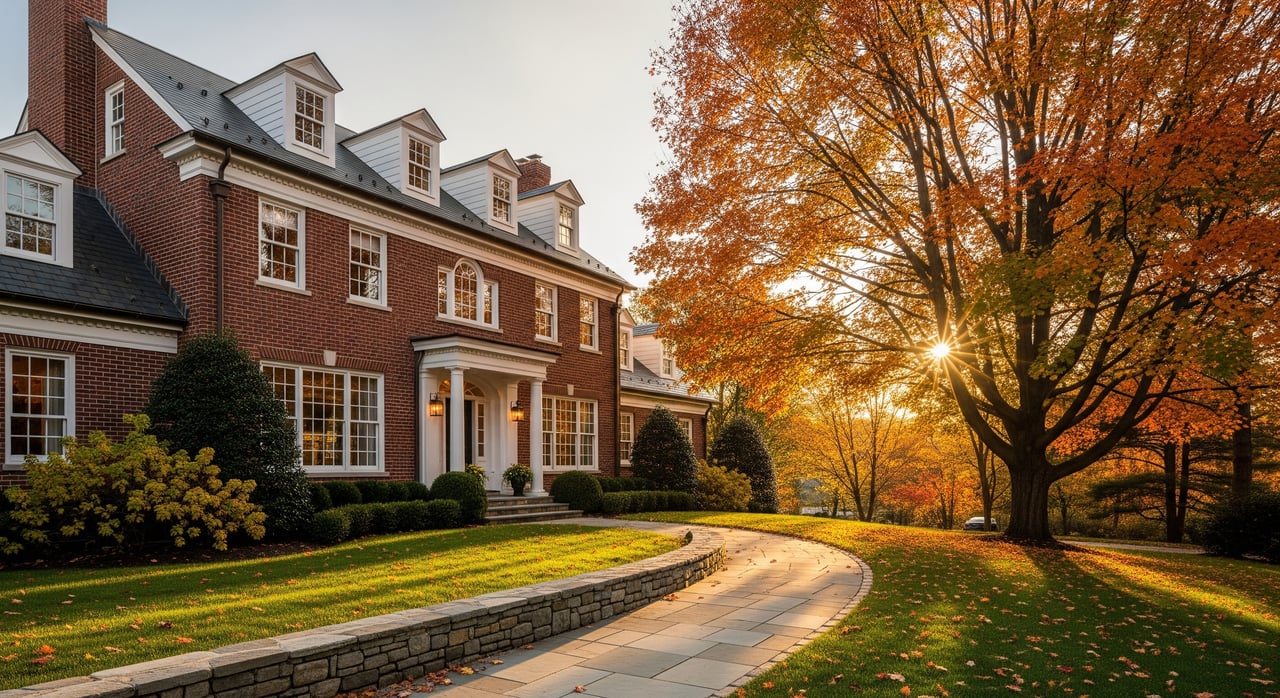
If you are drawn to architectural character, historic homes in Madison can be especially appealing. Many offer individualized details, mature streetscapes, and a connection to the borough’s long development history. The Bottle Hill district, in particular, reflects Madison’s evolution from the 18th century through the early 20th century, which can create a living experience that feels distinct from newer construction.
Historic homes may also appeal to buyers who enjoy spaces with more definition. Preservation guidance referenced in Madison’s historic review regulations places importance on interior character and original floor-plan features, and the overall takeaway is practical: older homes often feel more room-by-room, more layered, and less standardized than new construction. You can review Madison’s historic preservation regulations for more detail.
For many buyers, that difference is the point. If you want a home that feels one-of-a-kind, a historic property may offer a stronger emotional connection than a newer build.
Historic Homes: What to Plan For
Charm usually comes with more process. In Madison’s historic districts, a certificate of historic review is required before demolition, additions, new construction, and exterior changes or maintenance work that alters a building’s appearance. Interior-only changes do not require that certificate, but exterior work can involve another layer of review.
That matters if you are the kind of buyer who wants to renovate right away or make visible exterior changes soon after closing. Madison’s standards emphasize preserving original materials and making new work compatible with the surrounding district. The rules also make clear that new work does not need to copy old styles exactly, but it should fit the context.
In daily life, that can mean more planning, more patience, and a more preservation-minded ownership experience. For the right buyer, that is part of the reward. For others, it may feel restrictive.
Newer Homes: What You May Love
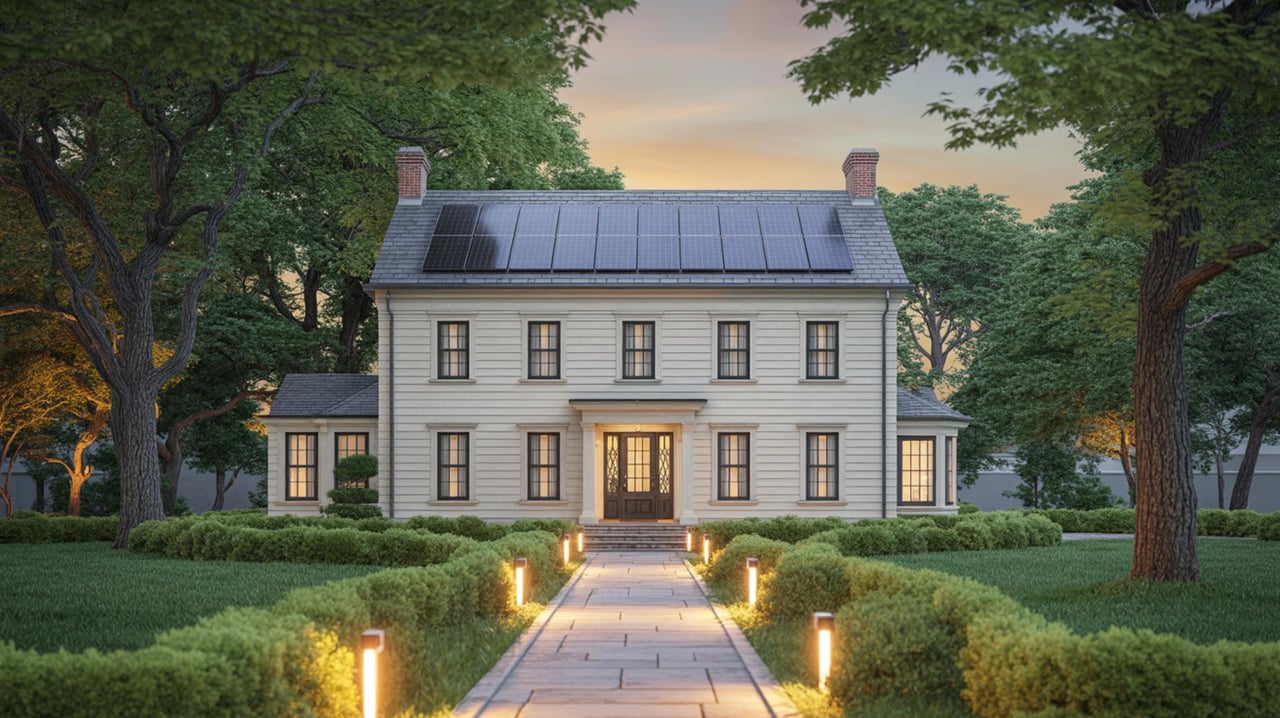
Newer homes in Madison often attract buyers who want a more contemporary living environment. Depending on the property type, you may find a layout that feels more aligned with current preferences, along with building systems and finishes that require less immediate attention than an older detached home.
There is also a lifestyle component. Because Madison’s newer housing often connects to denser, more walkable areas near downtown and transit, some buyers see these homes as a practical fit for commuting, simplified upkeep, and lock-and-leave convenience. In a town with direct rail service to Penn Station and an active downtown, that can be a meaningful advantage.
The borough’s preservation guidance also allows contemporary design expression in newer construction, especially where compatibility with surrounding streetscapes matters. Madison’s Historic Preservation Design Guidelines note that new buildings should respect scale, proportion, materials, and rhythm without becoming replicas of older homes.
Newer Homes: What to Plan For
A lower-maintenance lifestyle does not always mean no obligations. In condo and townhome communities, some maintenance responsibilities may shift from you to an association. The New Jersey Department of Community Affairs condominium regulations explain that condominium associations are responsible for maintenance, repair, replacement, cleaning, and sanitation of common elements.
In some townhouse-style planned communities, association responsibility may also extend to certain exterior or common-area maintenance, depending on the ownership structure. That can reduce the amount of individualized upkeep you handle directly, but it also means living with dues, community rules, and shared decision-making.
For some buyers, that tradeoff is worth it. For others, especially those who want full control over the property, it may feel limiting in a different way than historic review rules do.
Comparing Daily Life in Madison
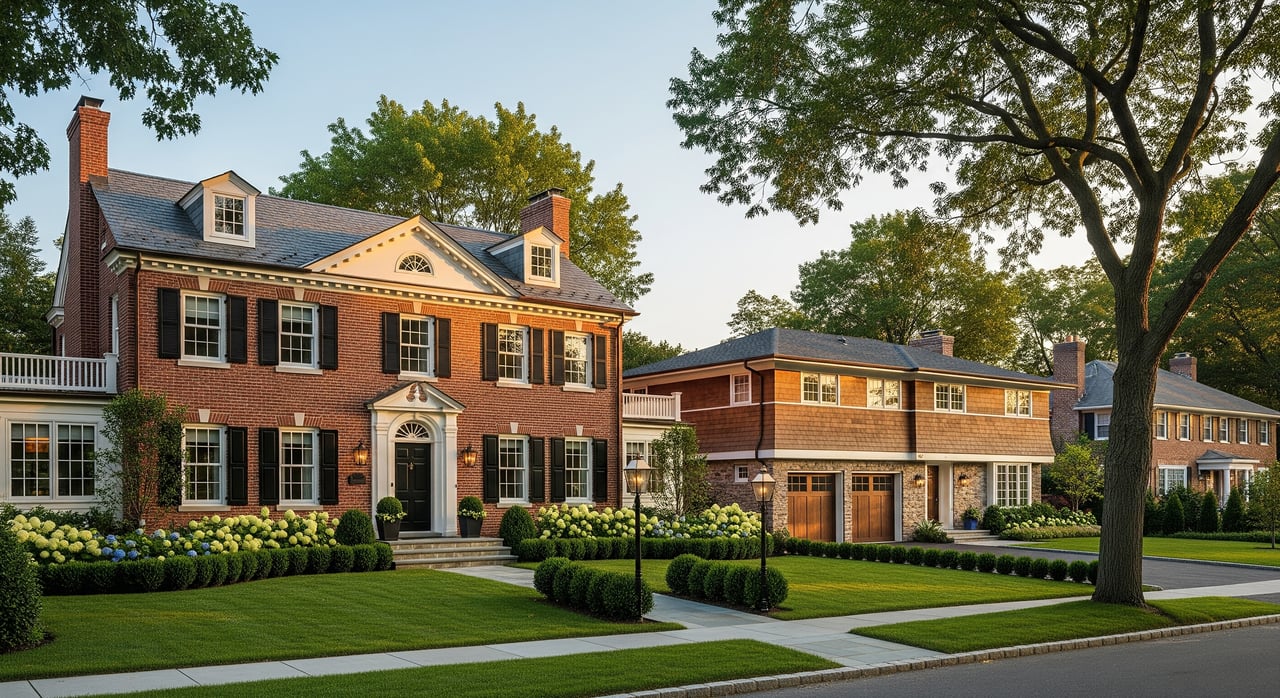
When you compare historic versus newer homes in Madison, the right answer often comes down to how you want to live. Both can work well in this market, but they usually deliver very different day-to-day ownership experiences.
Here is a simple side-by-side view:
| Factor | Historic Homes | Newer Homes |
|---|---|---|
| Architecture | Broad variety of older styles and preserved details | More contemporary design and housing formats |
| Layout feel | Often more distinct rooms and individualized spaces | Often more current, streamlined living patterns |
| Maintenance | More owner-led upkeep, especially for exterior character | May involve less direct upkeep, often with association support |
| Renovation process | Exterior work may require historic review | Rules may come through an association or redevelopment setting |
| Housing type | Often detached older homes | Often condos, townhomes, or other infill formats |
| Lifestyle fit | Strong sense of history and place | Convenience-focused, often near downtown and transit |
Which Type of Home Fits You Best?
A historic home may be the better fit if you value architectural variety, preserved details, and a neighborhood feel tied to Madison’s earlier development. It may also suit you if you are comfortable with a more hands-on ownership experience and willing to work through review processes for exterior changes.
A newer home may be the better fit if you want a more contemporary setup, easier day-to-day maintenance, and a housing type that supports a simpler routine. It may also make sense if you like the idea of condo or townhome living and are comfortable with shared rules and fees.
Neither choice is automatically better. In Madison, both options can make sense because the town blends historic character, active downtown amenities, and direct transit access in a compact setting. Madison notes that the borough has more than 50 food establishments within its four square miles, reinforcing how much local lifestyle can shape a home search beyond the house itself. You can explore that broader context through Madison’s downtown and business information.
How to Evaluate Homes More Confidently
If you are deciding between historic and newer homes in Madison, it helps to narrow your search around your daily priorities instead of just aesthetics. Ask yourself:
- Do you want original character or a more turnkey feel?
- How much exterior maintenance are you comfortable handling?
- Would you prefer full property control or association-managed support?
- Is walkability to downtown or NJ Transit a major priority?
- Are you open to review processes or community rules if you plan to make changes?
Those questions can save you time and help you focus on homes that truly fit your lifestyle. In a market as layered as Madison, clarity matters.
If you are looking for tailored guidance on Madison homes, Karen Torrente can help you compare options, understand the tradeoffs, and move forward with confidence.
FAQs
What is considered a historic home in Madison, NJ?
- In Madison, historic homes often include properties connected to areas like the Bottle Hill Historic District, where residential development dates from about 1730 to 1930 and includes several architectural styles.
Are there rules for renovating historic homes in Madison, NJ?
- Yes. In Madison’s historic districts, exterior changes such as additions, demolition, new construction, or maintenance that alters appearance may require a certificate of historic review, while interior-only changes do not.
What types of newer homes are common in Madison, NJ?
- Newer homes in Madison are often tied to infill and redevelopment, including condominiums, townhomes, condominium flats, patio homes, and similar contemporary housing formats.
Are newer homes in Madison, NJ easier to maintain?
- They can be, especially in condo or townhome communities where an association may handle common elements or some exterior-related maintenance, depending on the ownership structure.
Is Madison, NJ a good fit for buyers who commute?
- Madison offers direct NJ Transit rail service to Penn Station, and its downtown and transit connection are often key reasons buyers consider both historic and newer homes in the borough.
How do I choose between a historic and newer home in Madison, NJ?
- The best choice depends on your priorities, including architectural character, maintenance expectations, renovation flexibility, housing type, and how much you value walkability and transit access.