Is your list price helping or hurting your sale? In Chatham Township’s upper-middle and luxury market, a smart price can be the difference between a smooth sale and weeks of costly silence. You want top dollar without leaving money on the table, and you also want a timeline that fits your plans. In this guide, you’ll learn how list prices are built locally, what drives value in different micro-neighborhoods, and practical strategies to launch with confidence. Let’s dive in.
Chatham market at a glance
Recent public trackers place Chatham area median sale prices in a wide range, roughly 1.25 million to 1.8 million, depending on the source and time window. Sale-to-list ratios often hover near 100 percent, with occasional spikes on standout listings. Days on market swing with price band and sample size, which is common when monthly sales counts are small.
You will also see differences based on geography. “Chatham” can mean the Borough or the Township, and some trackers blend both. Chatham Township spans several distinct areas, including parts with larger lots and a more suburban or semi-rural feel. If you want a true signal, focus on rolling 3 to 6 month windows and same-micro-neighborhood comps, then confirm with local MLS data.
How local list prices are built
Start with a CMA
A Comparative Market Analysis pulls together recent closed sales, active and pending listings, and expired or withdrawn listings. Your agent adjusts for square footage, lot size, bed and bath count, condition, and special features to produce a defensible price range and a recommended list price. Industry guidance consistently points sellers to a data-first CMA when setting list price.
CMA vs. appraisal
A CMA is for marketing and strategy. An appraisal is an independent valuation used primarily for lending, based on the sales comparison approach with formal adjustments. Appraisal standards and reporting evolve over time, including recent UAD and measurement updates that affect how appraisers format and analyze comps. If you want a formal valuation for planning purposes, consult a licensed appraiser and review current guidelines from sources like Fannie Mae’s Appraiser Update for context on methodology changes. You can learn more in the Appraiser Update from Fannie Mae: recent appraisal reporting changes and guidance.
What drives value in Chatham Township
Condition and improvements
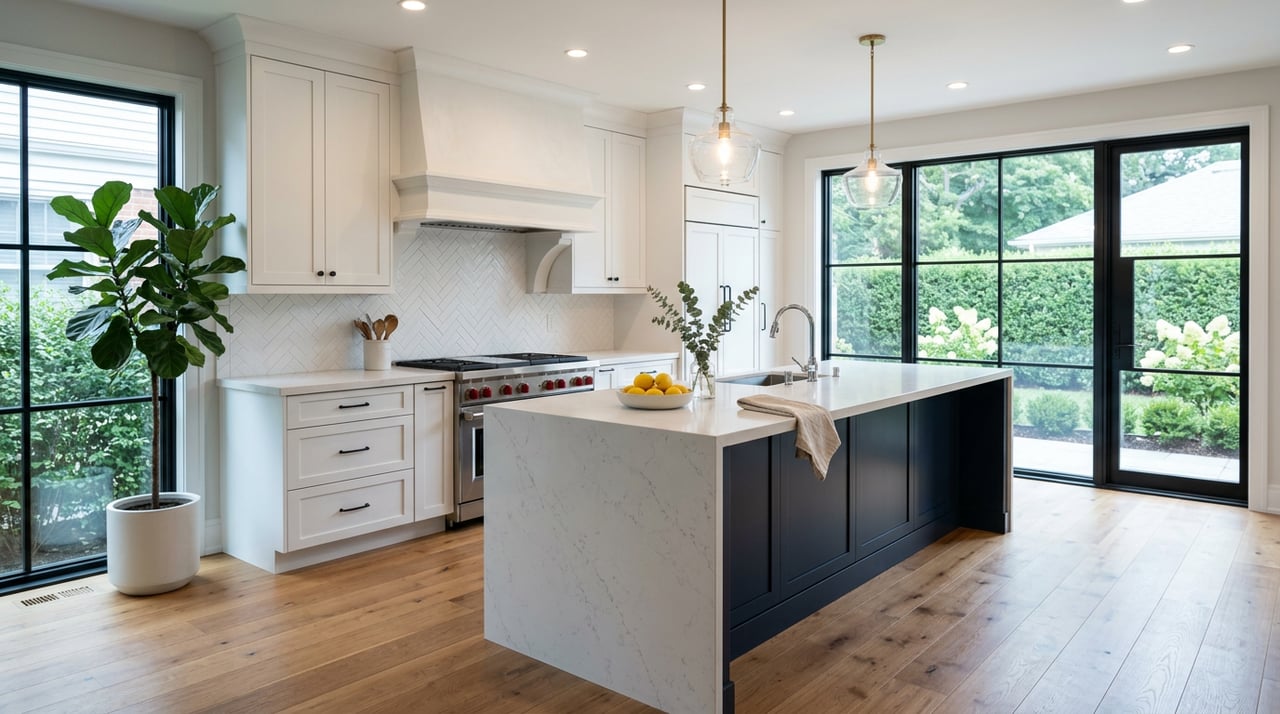
In Chatham Township, buyers respond to move-in readiness and thoughtful upgrades. Common value drivers include:
- Modernized kitchens and baths
- Finished basements and flexible work/play spaces
- Renovated primary suites
- Mechanical updates such as HVAC and roof
- New or energy-efficient windows
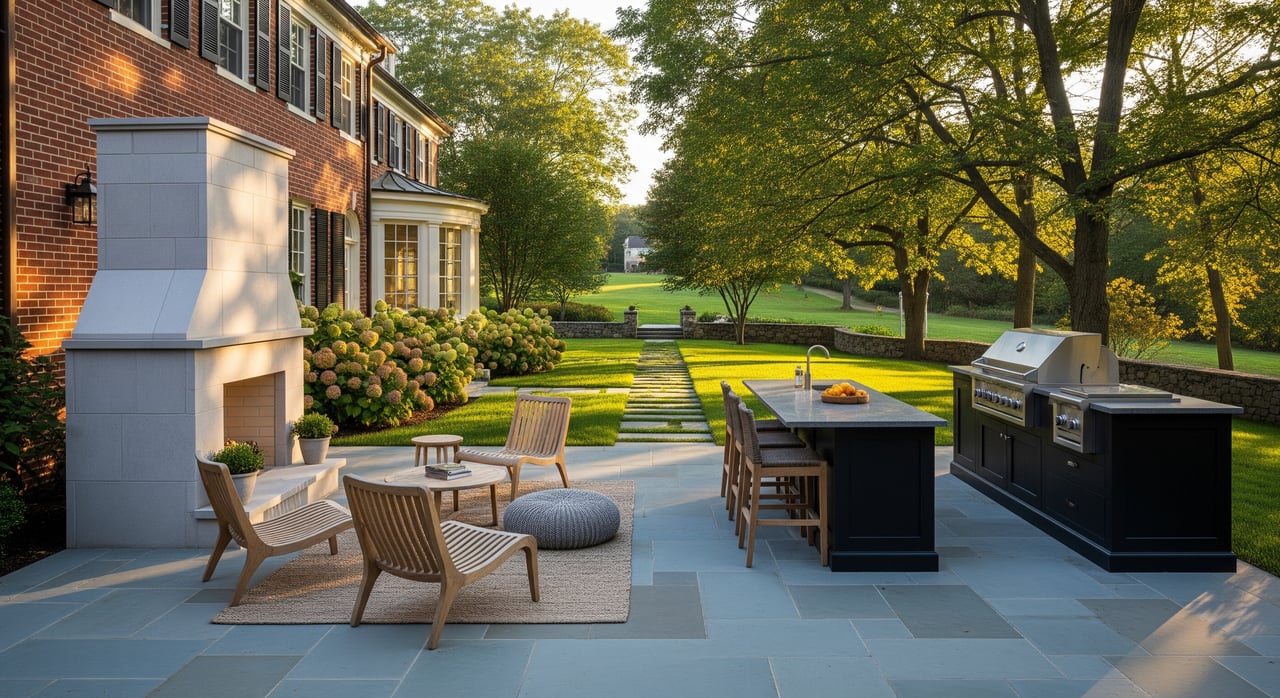
- Outdoor living areas, decking, and well-finished yards
Adjustments for these features are justified by local comps. The key is to compare like to like, then quantify differences with recent, nearby solds.
Micro-neighborhood and commute access
Proximity to the Borough’s downtown and the Morris and Essex Line can support stronger per-square-foot pricing because many buyers value shorter first and last mile and nearby amenities. Within the Township, areas such as Green Village and other hamlets offer larger lots and a more suburban feel, which can change buyer priorities. For a clear overview of the Township’s boundaries and context, see the Chatham Township profile.
Schools as a demand factor
The School District of the Chathams is widely regarded as a high-performing district in New Jersey. Many buyers consider this when selecting neighborhoods and weighing trade-offs between size, location, and updates. To see third-party rankings, review the School District of the Chathams ratings.
Taxes and the township revaluation
Assessed value for property taxes is not the same as market value. Chatham Township has a municipal revaluation process scheduled that will update assessed values for tax purposes. While revaluations are designed to be revenue neutral at the municipal level, individual tax bills may change. If you are planning to sell, it is smart to know where your assessment stands and what the statutory valuation date is. The Township’s letter explains the process and timeline: Chatham Township revaluation notice.
Buyer demand by price band
Upper-middle and luxury segments have smaller, more selective buyer pools. Properties in these ranges often stay on the market longer than entry-level homes, and condition plus special features matter more. Instead of relying on town-wide medians, use price-banded comps and per-square-foot analysis within the same micro-neighborhood. This is especially important for homes with unique lots, high-end renovations, or custom features.
Three pricing strategies with trade-offs
Below are common approaches sellers in Chatham Township use. Each balances speed and price differently.
Market-price launch
You list near the middle of your CMA range to match current buyer expectations. This approach typically produces steady showings and qualified offers. It is a strong fit when you want a timely sale and a market-supported price without pushing the upper limits.
Strategic underpricing
You list slightly below the CMA to increase early traffic and encourage multiple offers. This can work in low-supply, high-demand pockets, but there are risks. If offers climb well above recent comps, appraisal or financing gaps can surface. Talk with your agent about how appraisal contingencies and gap strategies work so you are ready if bids escalate.
Targeted premium pricing
You list at or above market when the home has unique or luxury features that are hard to comp. Expect a longer marketing horizon and the need for more evidence to support your price. This strategy benefits from national exposure and high-end presentation that can reach specialized buyer segments. For a sense of how premium segments are tracked and discussed, review a national snapshot like Rocket’s Chatham Township market report.
Reduce mispricing risk
Use these practical tactics to stay in control:
- Analyze 3 to 6 months of solds plus 1 to 2 months of pendings for a timely read on momentum.
- For distinctive or luxury homes, consider a pre-listing appraisal or a broker price opinion to support pricing with formal analysis. See methodology context in Fannie Mae’s Appraiser Update.
- Monitor showings and feedback closely during the first 10 to 14 days. If traffic is soft, a prompt adjustment can prevent the listing from going stale.
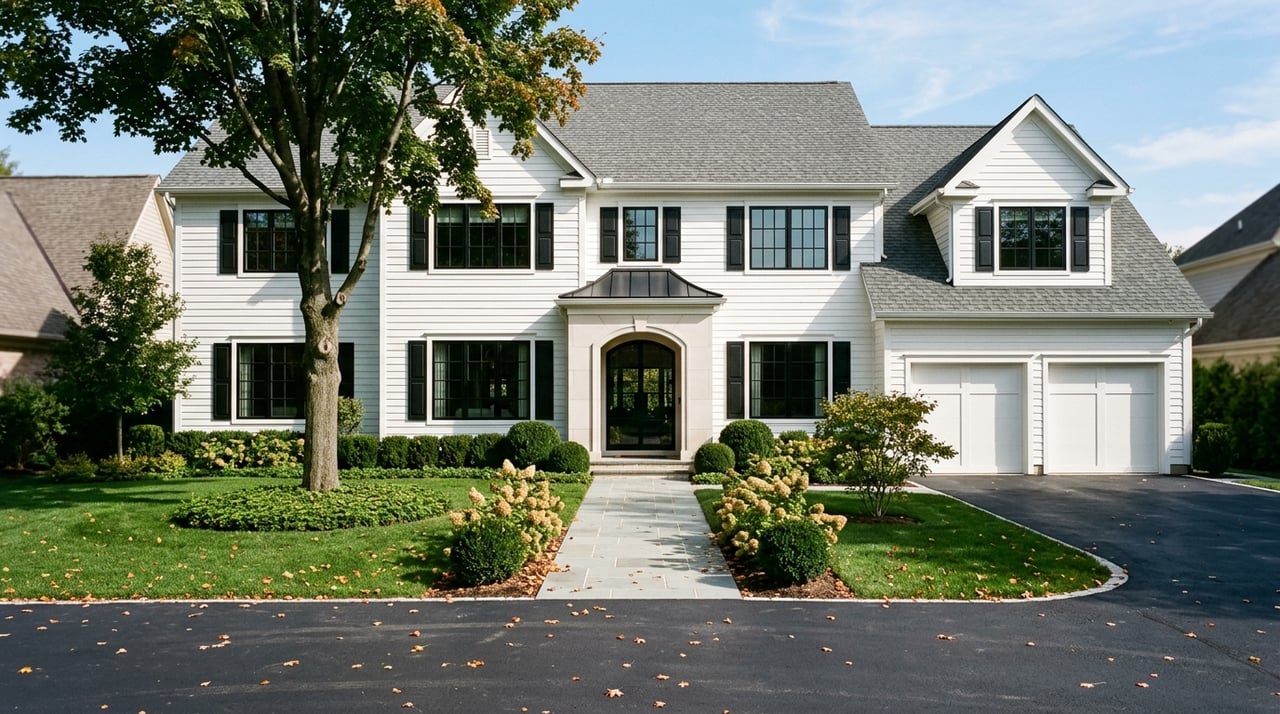
Quick example: pricing a Chatham Township colonial
Here is an illustrative, simplified example to show how a CMA translates into a list-price decision. Numbers are rounded and for demonstration only.
- Subject property: 4-bed, 3.5-bath colonial, 3,100 square feet, updated kitchen and primary suite, finished basement, mid-size lot, Township location with a short drive to the train.
Comparable sales, same micro-neighborhood or adjacent pocket within the last 4 months:
- Comp A: 3,000 square feet, 4-bed, 3-bath, similar lot, kitchen 10 years old, no finished basement. Closed at 1,450,000. Adjust +40,000 for smaller size at a blended 200 per square foot, +50,000 for basement finish, and +25,000 for newer primary suite. Adjusted to ~1,565,000.
- Comp B: 3,250 square feet, 4-bed, 3.5-bath, larger lot, updated kitchen, dated primary bath, finished basement. Closed at 1,620,000. Adjust -30,000 for larger size, +20,000 for subject’s newer primary suite, -15,000 for lot size difference. Adjusted to ~1,595,000.
- Comp C: 2,900 square feet, 4-bed, 3-bath, similar lot, fully updated five years ago. Closed at 1,520,000. Adjust +40,000 for size, +15,000 for subject’s extra half bath, and -10,000 for slightly newer updates at the comp. Adjusted to ~1,565,000.
These adjustments create a supported band near 1,56 to 1,60 million. From here, your launch strategy guides the exact list price:
- Market-price launch: 1,595,000 to maximize qualified traffic.
- Strategic underpricing: 1,549,000 to widen early interest and test for multiple offers.
- Targeted premium: 1,625,000 if unique features or marketing reach may justify a premium and you are comfortable with a longer timeline.
The best choice depends on your timing, risk tolerance, and how current pendings and actives look during the week you list.
Your pre-list pricing checklist
Use this list to prepare for a confident launch:
- Request a full CMA with 3 to 5 recent solds, relevant pendings, active competitors, and any expired listings nearby.
- Ask for price-banded and per-square-foot views focused on your micro-neighborhood, not just town-wide medians.
- Review condition adjustments for kitchens, baths, mechanicals, finished basement, and outdoor spaces. Confirm that each adjustment is supported by local comps.
- Confirm the Township’s revaluation timeline and how assessed value differs from market value using the official revaluation notice.
- Check third-party school rankings for buyer-demand context, such as Niche’s district ratings, and discuss how station and downtown access may affect pricing in your pocket.
- Align on a launch strategy, showing targets, and a first-14-days decision plan for price or presentation tweaks.
- If your home is unique, discuss a pre-list appraisal or BPO for additional support and how appraisals are currently reported, using resources like Fannie Mae’s Appraiser Update.
Make your price work harder with presentation
In the upper-middle and luxury tiers, pricing and presentation work together. High-quality photography, polished copy, and strategic distribution can expand your buyer pool and help justify your price band. Premium marketing also provides the evidence buyers need to understand your home’s value compared to the competition.
If you want national reach and a boutique, hands-on process, partner with a local expert who blends neighborhood credibility with top-tier exposure. You get clear guidance on pricing, presentation that enhances perceived value, and responsive negotiation through every step.
Ready to talk through your price band and launch plan for Chatham Township? Connect with Karen Torrente for a data-backed pricing conversation and a tailored marketing approach that meets your goals.
FAQs
What if I overprice my Chatham Township home?
- Overpricing usually reduces showings, increases days on market, and can lead to larger price cuts later. Early traction is critical, so confirm your CMA and monitor feedback in the first two weeks.
Does underpricing really create a bidding war in Chatham?
- Listing slightly below market can increase early traffic and sometimes produce multiple offers in tight sub-markets, but it may create appraisal or financing gaps if bids exceed comps. Discuss contingency and gap planning with your agent.
How much do schools and train access affect price?
- Both are meaningful demand drivers in Chatham. The School District of the Chathams is highly rated, and proximity to downtown and rail access often supports higher per-square-foot pricing in comparable homes.
Do assessed values equal market value in Chatham Township?
- No. Assessed values are used for property taxes and may lag market value. The Township’s revaluation will reset assessed values by a stated valuation date. Review the official notice for details.
Can I trust online estimates for my Chatham home?
- Automated estimates are helpful as a starting point but can miss the mark for unique or low-turnover properties. Use them as one input, then confirm with a CMA and, if needed, a licensed appraisal for added support.