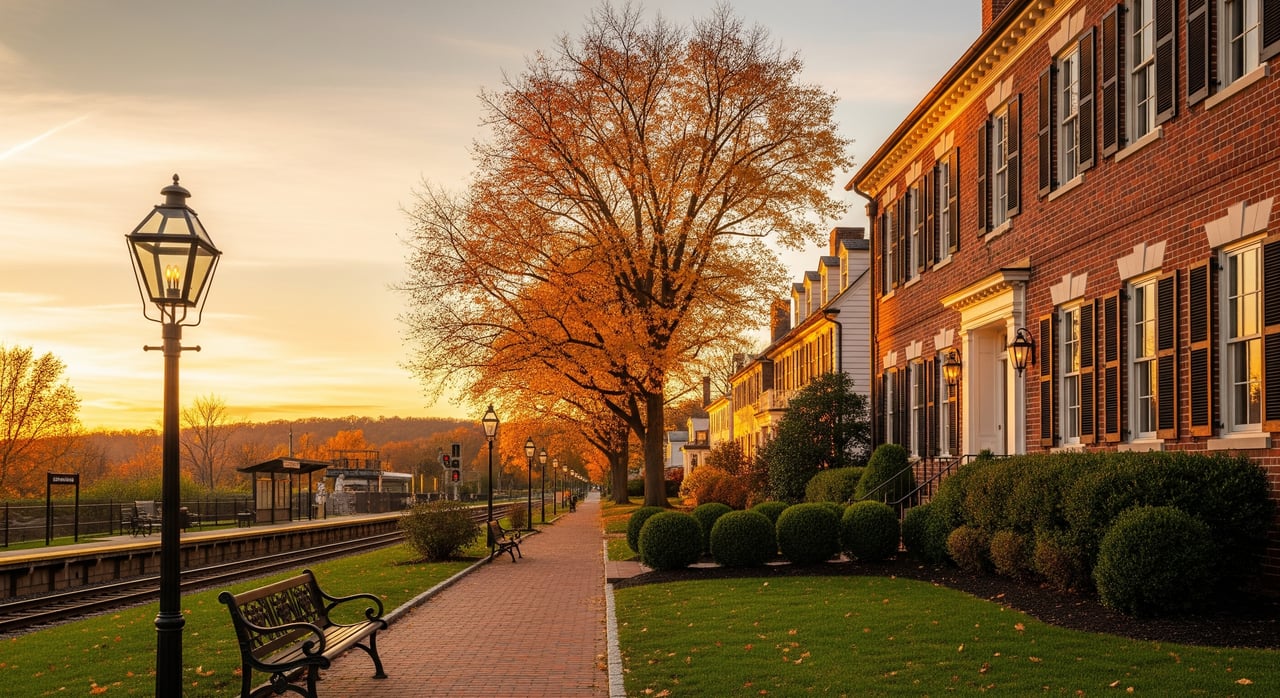
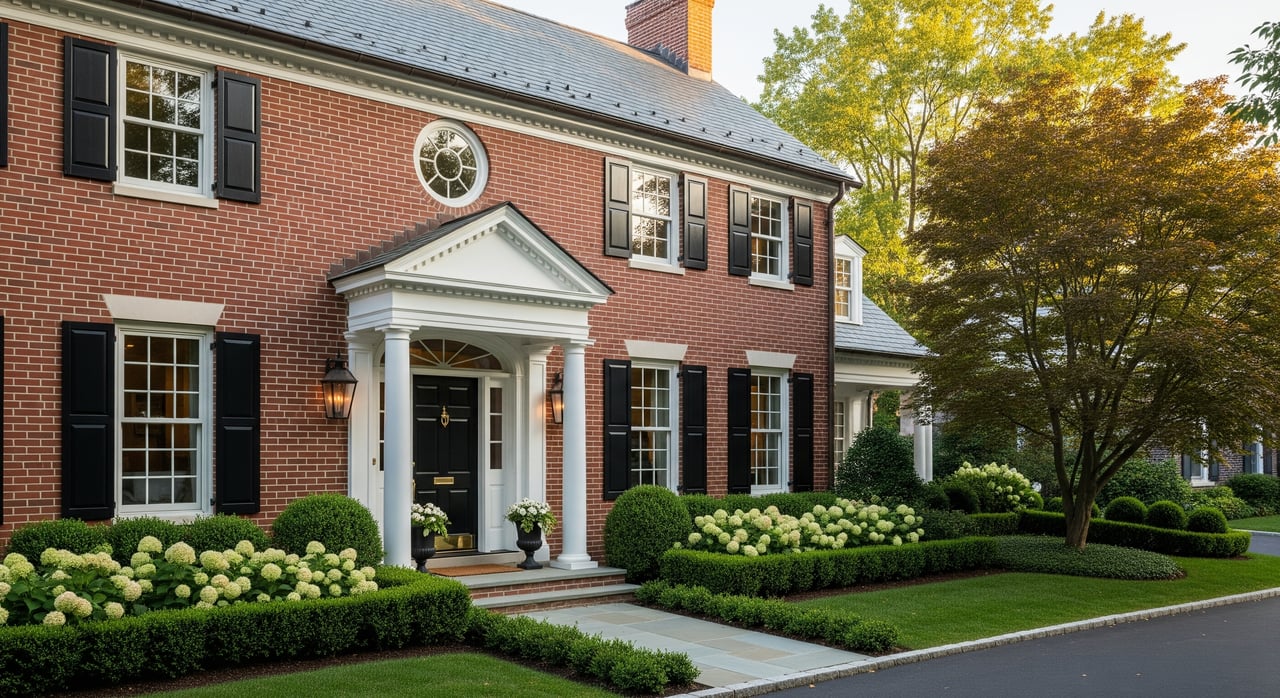
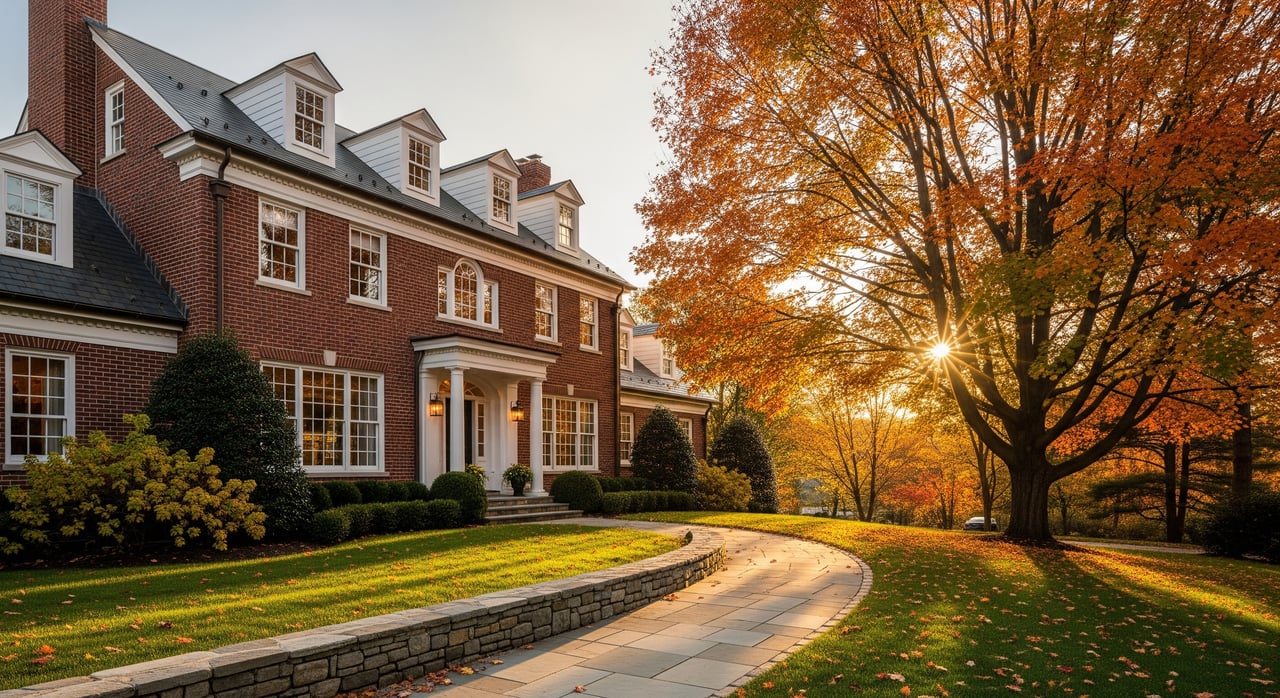
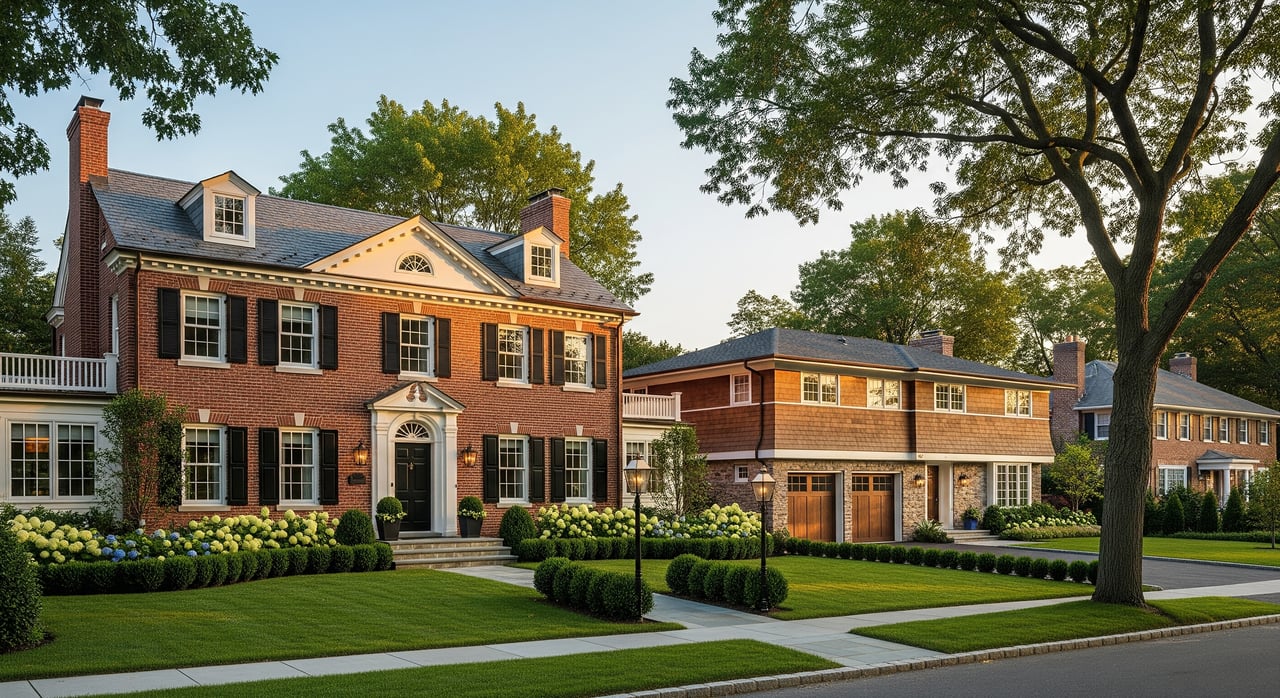
Thinking about building new or taking on a major renovation in Chatham Township? You are not alone, and you are right to slow down before you commit. In a market with large single-family homes, tight inventory, and real long-term value at stake, the best projects usually start with clear local due diligence, not just design inspiration. Here’s what to know before you build, expand, or rework a home in Chatham Township.
Chatham Township’s Housing Context
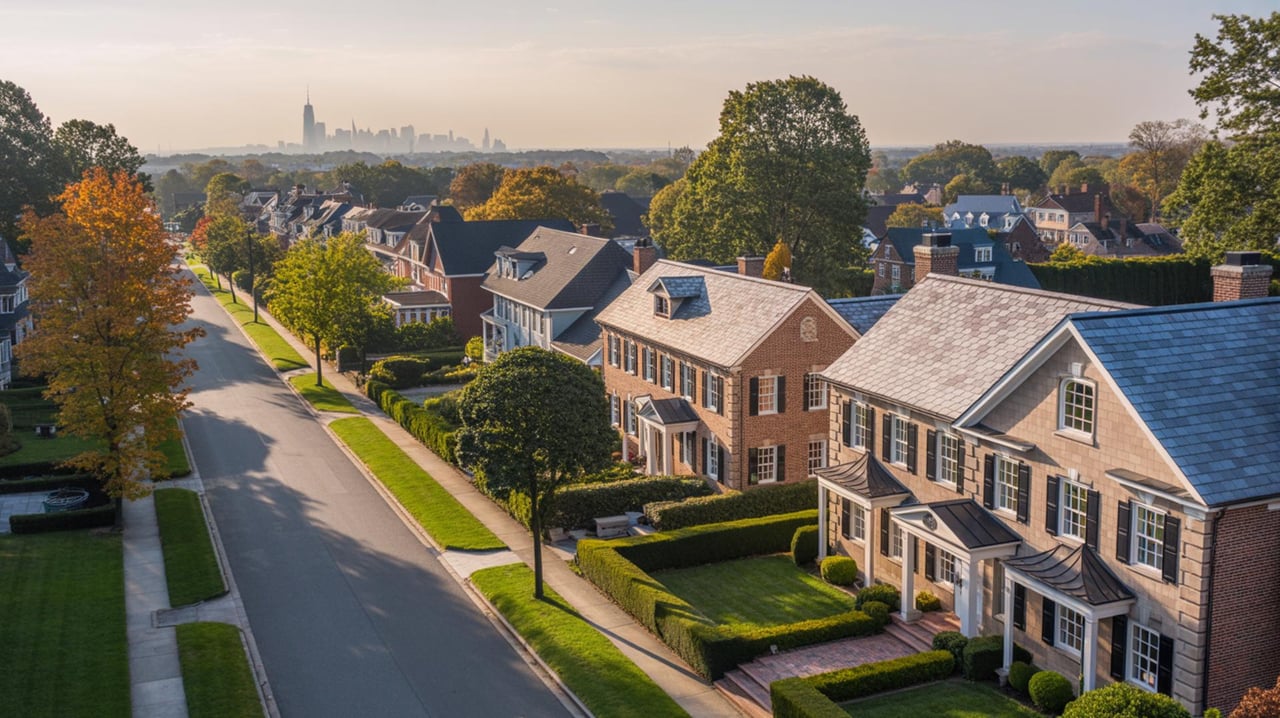
Chatham Township is largely a single-family, owner-occupied market. Township housing analysis shows 88.7% of homes are owner-occupied, 77.1% are single-family, and 68.4% are detached single-family homes. That matters because most building and renovation decisions here happen in established residential settings, not on blank-slate tracts.
The local housing stock also tends to be larger. About 52.2% of homes have four or more bedrooms, and 43.3% have nine rooms or more. If you are planning improvements with future resale in mind, that suggests buyers often value practical living space, flexible layouts, and strong overall function.
The age of the housing stock supports a wide range of project types. Only 7.6% of homes were built before 1940, while many homes date to the 1950s, 1960s, 1970s, and 1980s. In practical terms, that often means additions, reconfigurations, and system upgrades can make just as much sense as ground-up construction.
Why Zoning Comes First
Before you fall in love with plans, confirm the zoning for the specific property. Chatham Township has 23 zoning districts, and lot requirements vary significantly by district. For example, the zoning schedule includes districts where conventional lots require 100,000 square feet and others where conventional lots require 10,000 square feet.
That range means buildability is highly parcel-specific. Two homes that seem similar from the street may have very different development potential based on zoning, lot dimensions, and overlay rules. If you are considering an addition, teardown, rebuild, or subdivision potential, this step should happen early.
Chatham Township also includes overlay districts such as the Great Swamp Watershed Overlay and Upper Passaic River Watershed Overlay. These layers can affect what is feasible on a site, especially on properties near environmentally sensitive areas or low-lying land. It is much better to identify those constraints before spending heavily on plans.
Understanding the Approval Path
In Chatham Township, the approval process depends on what you are doing. The Planning Board reviews subdivisions and site plans, while the Board of Adjustment handles variances and certain zoning uncertainties. The township also requires a zoning permit before a construction permit or occupancy or zoning permit can be issued.
For homeowners, that means a project can involve more than one approval track. A renovation that changes the footprint, lot coverage, or use may trigger zoning review even if the home is already standing. The earlier you understand that path, the easier it is to plan timing and budget realistically.
When Permits Are Needed
Construction permits are generally required for building, structural, electrical, HVAC, and plumbing work. A separate zoning permit may also be needed if your project changes the footprint, lot coverage, or use of the property. This is one of the biggest reasons early planning matters.
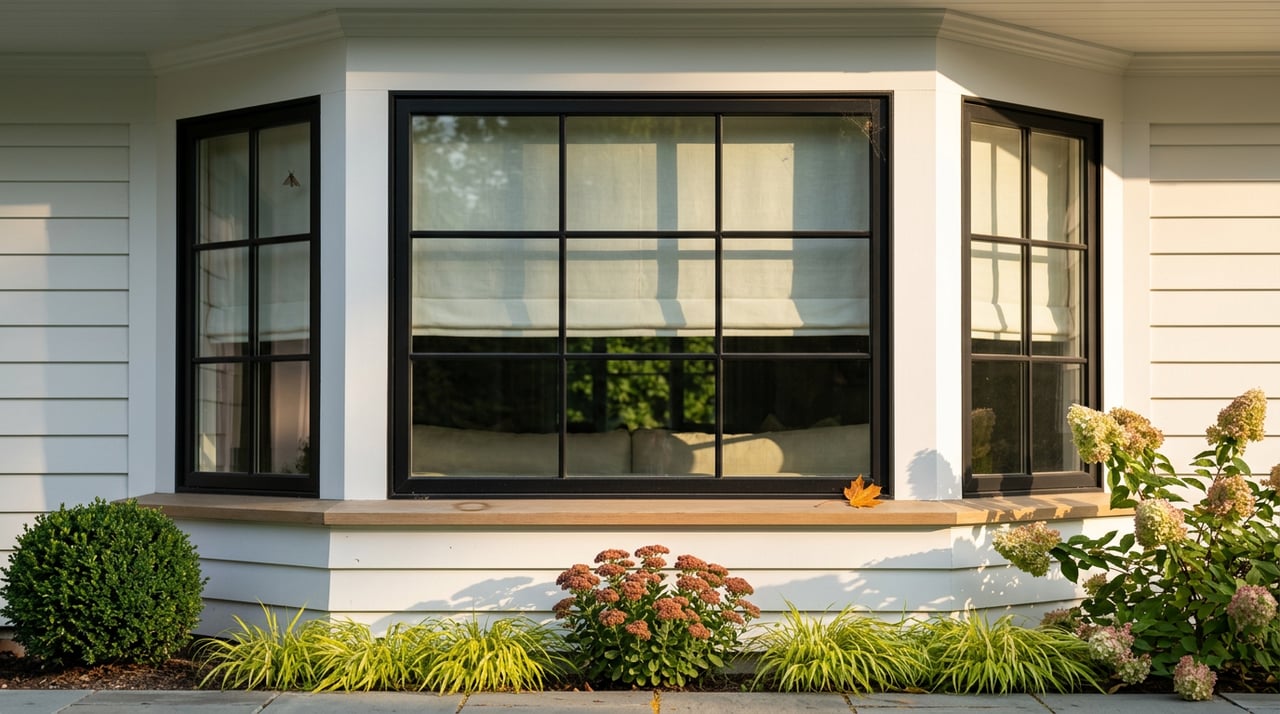
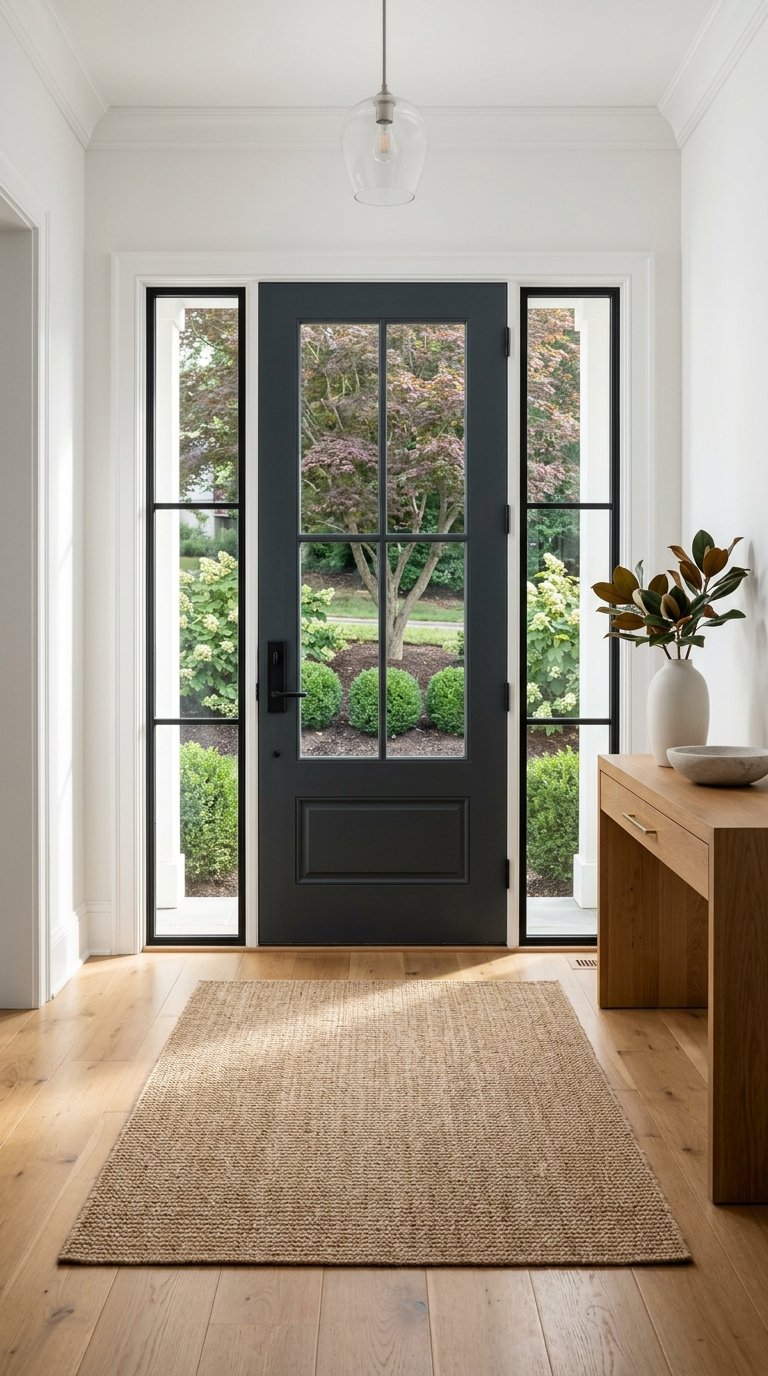
Some work is exempt as ordinary maintenance under township guidance. Painting, same-size window or door replacement, and carpet installation are listed examples. If your project goes beyond simple cosmetic updates, assume you need to verify permit requirements before work begins.
The Building Department states that once a complete application is submitted, it has 20 business days to prepare the permit. That does not mean every project starts on day 21, because other approvals, revisions, or outside permits may affect the schedule. Still, it is a useful benchmark when setting expectations.
Small Details That Can Affect Timing
Even straightforward renovation jobs can run into avoidable delays if the sequence is off. Chatham Township notes that road openings and most tree removals also require permits. If your contractor needs site access, utility work, or tree removal before construction, those items should be coordinated from the start.
Utility status also matters more than many buyers and owners expect. The township notes that some homes have septic systems rather than public sewer. For a major renovation or new build, confirming sewer versus septic early can affect design, scope, cost, and timeline.
Design That Fits the Township
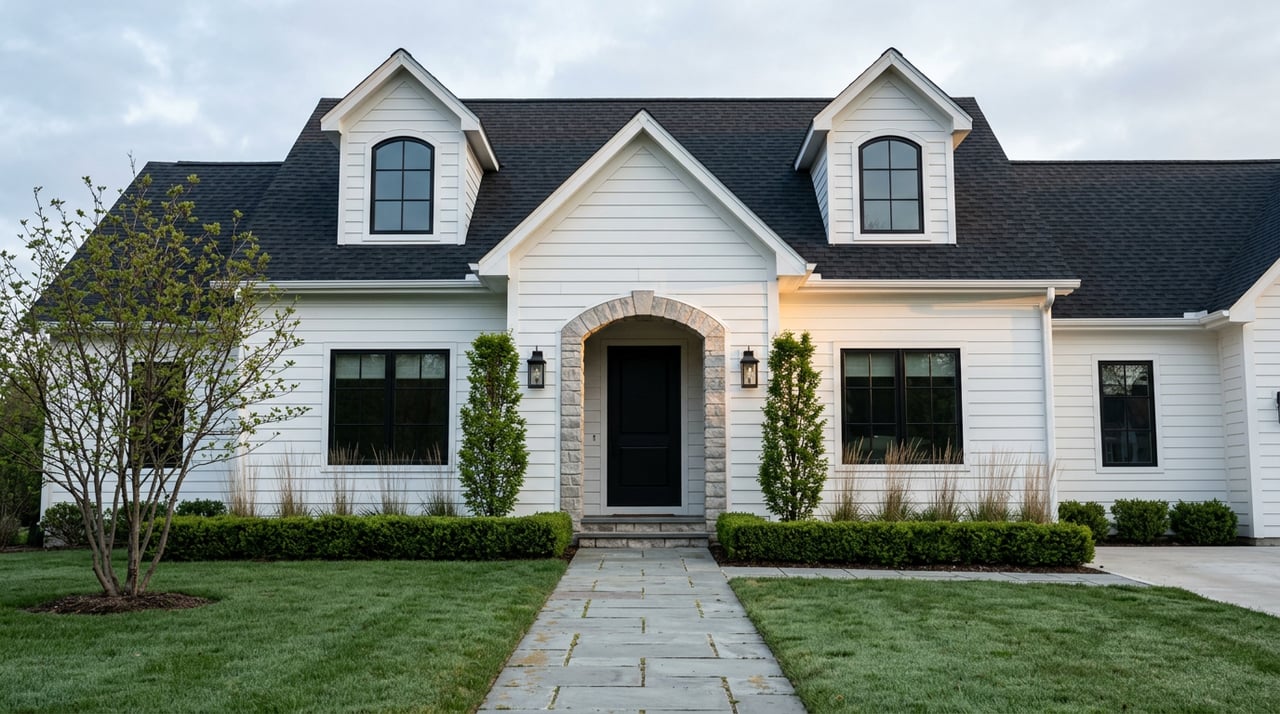
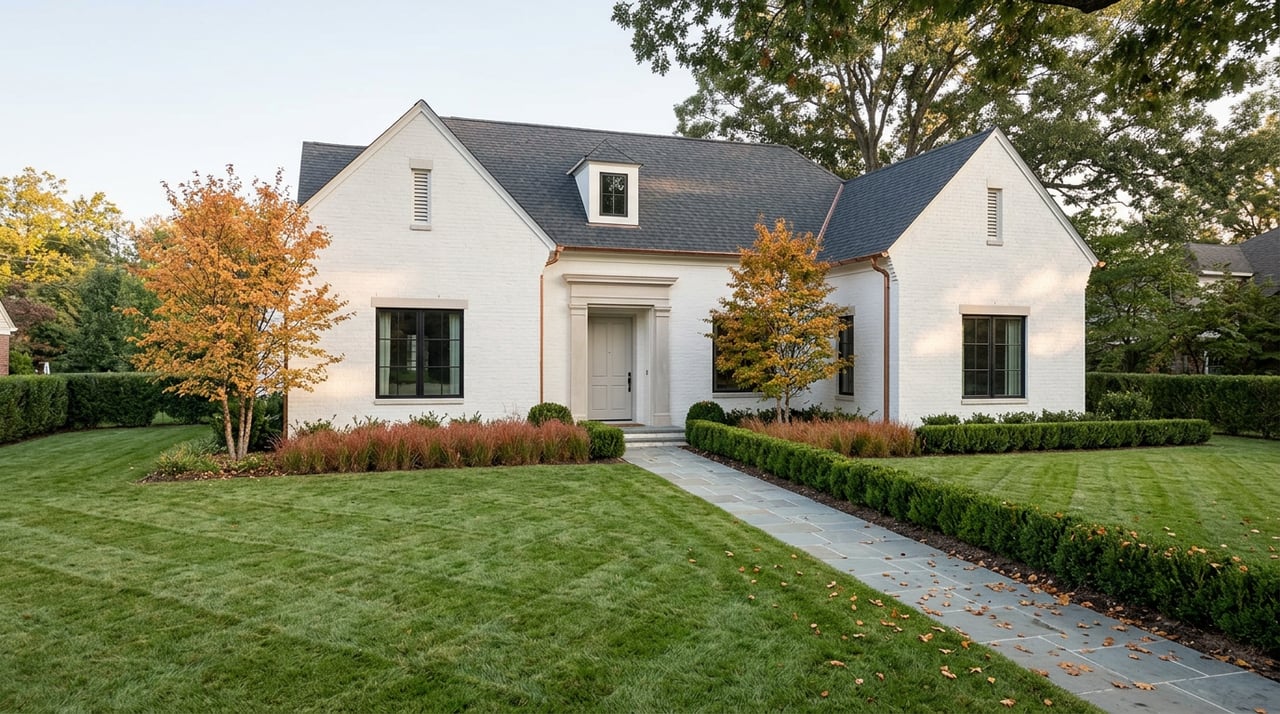
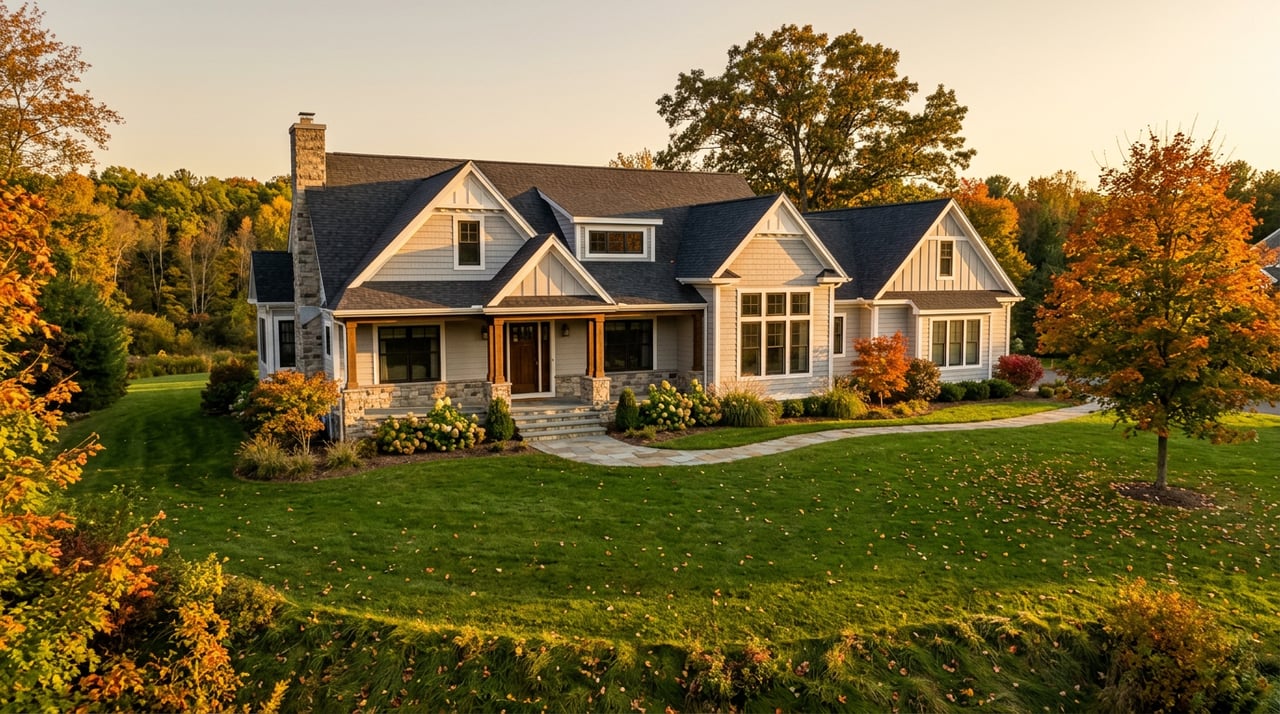
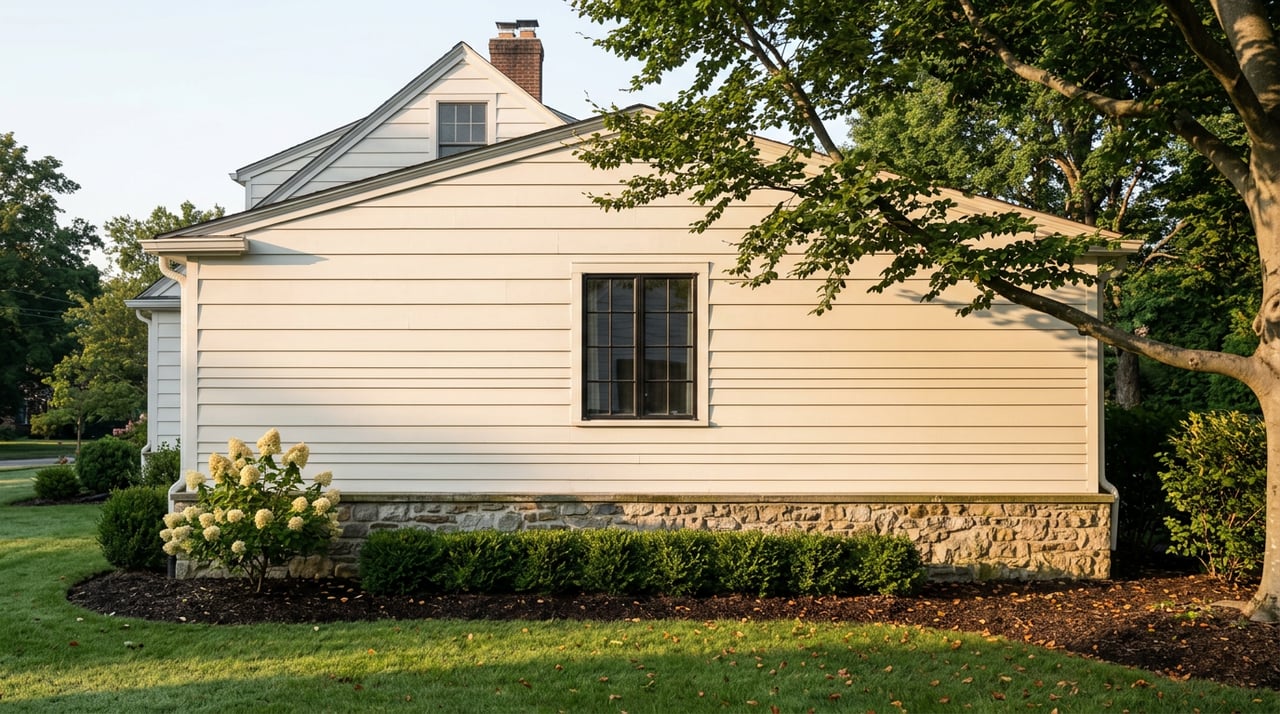
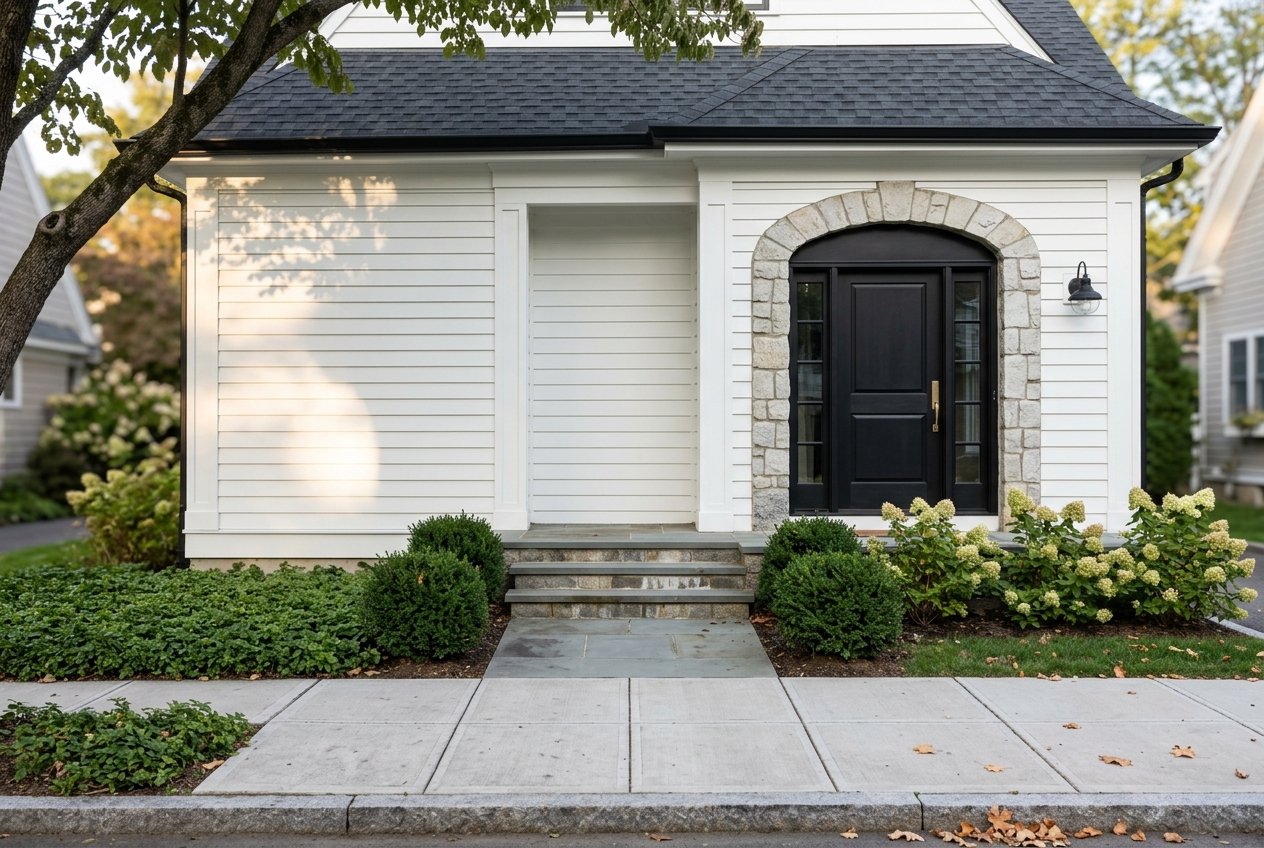
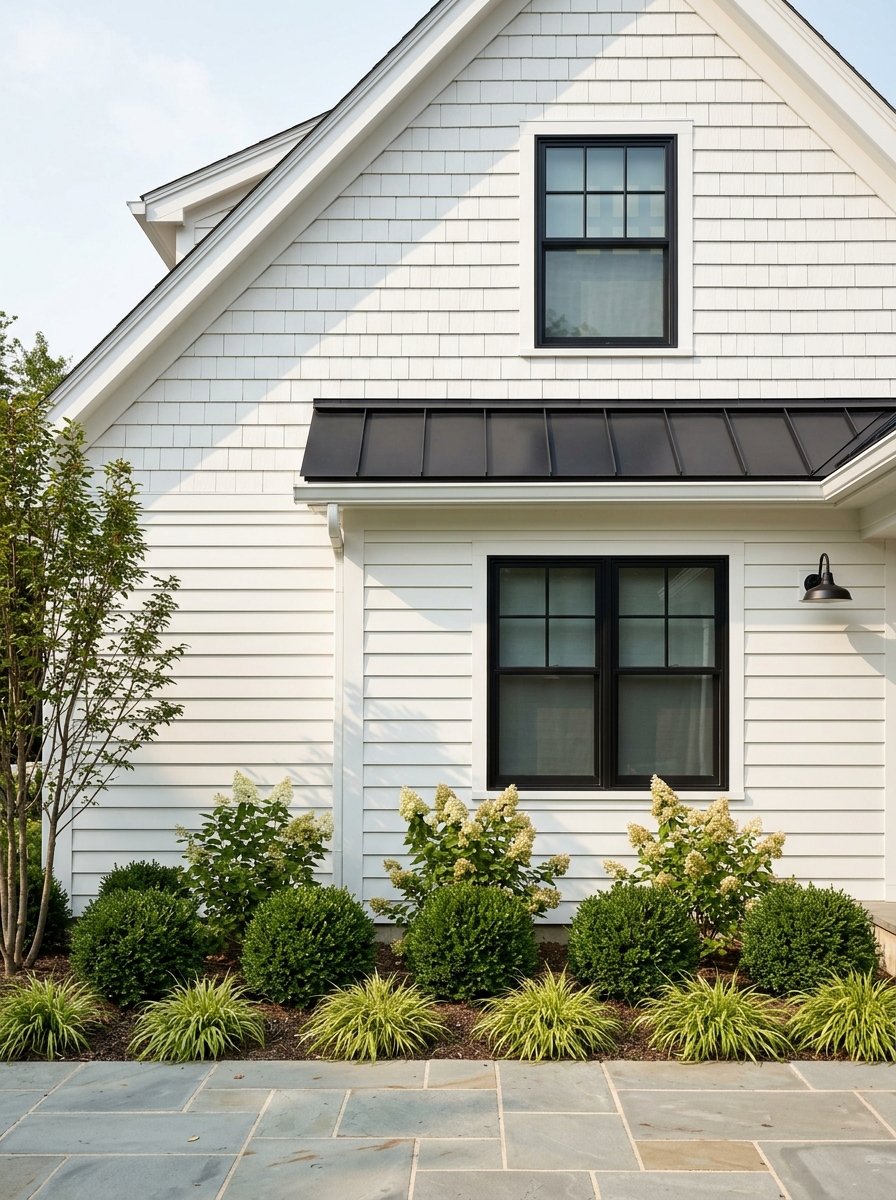
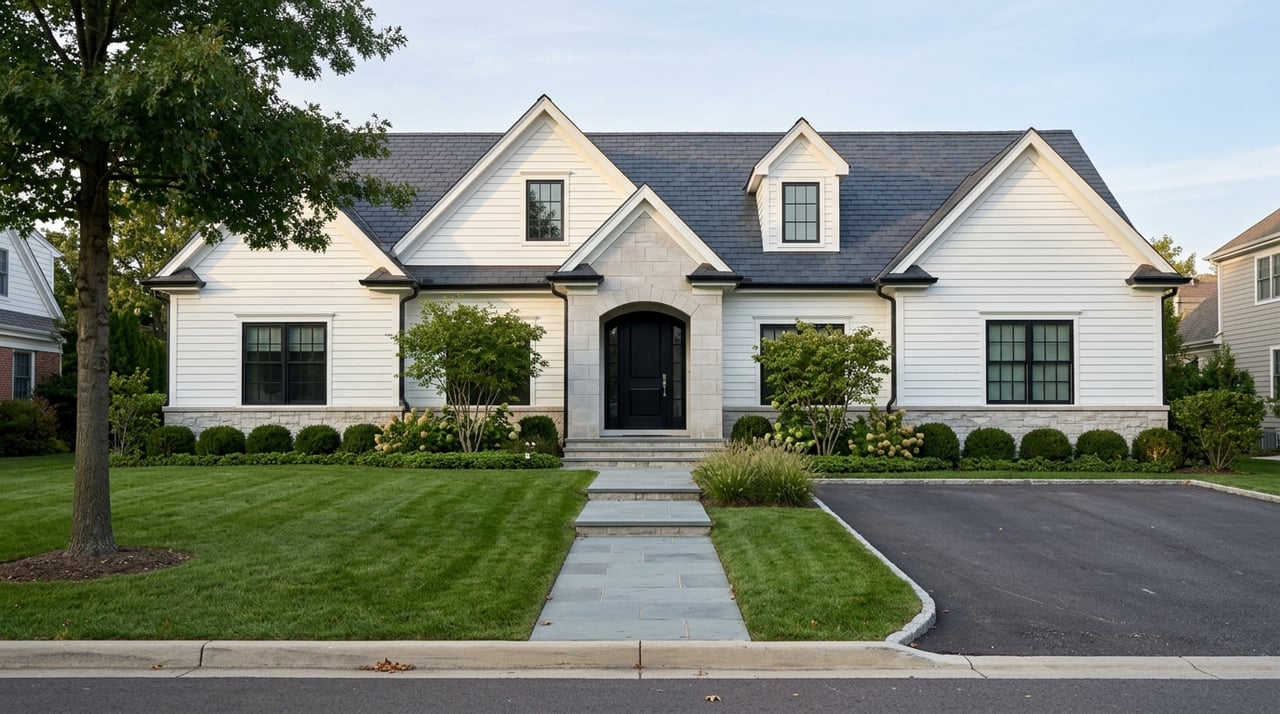
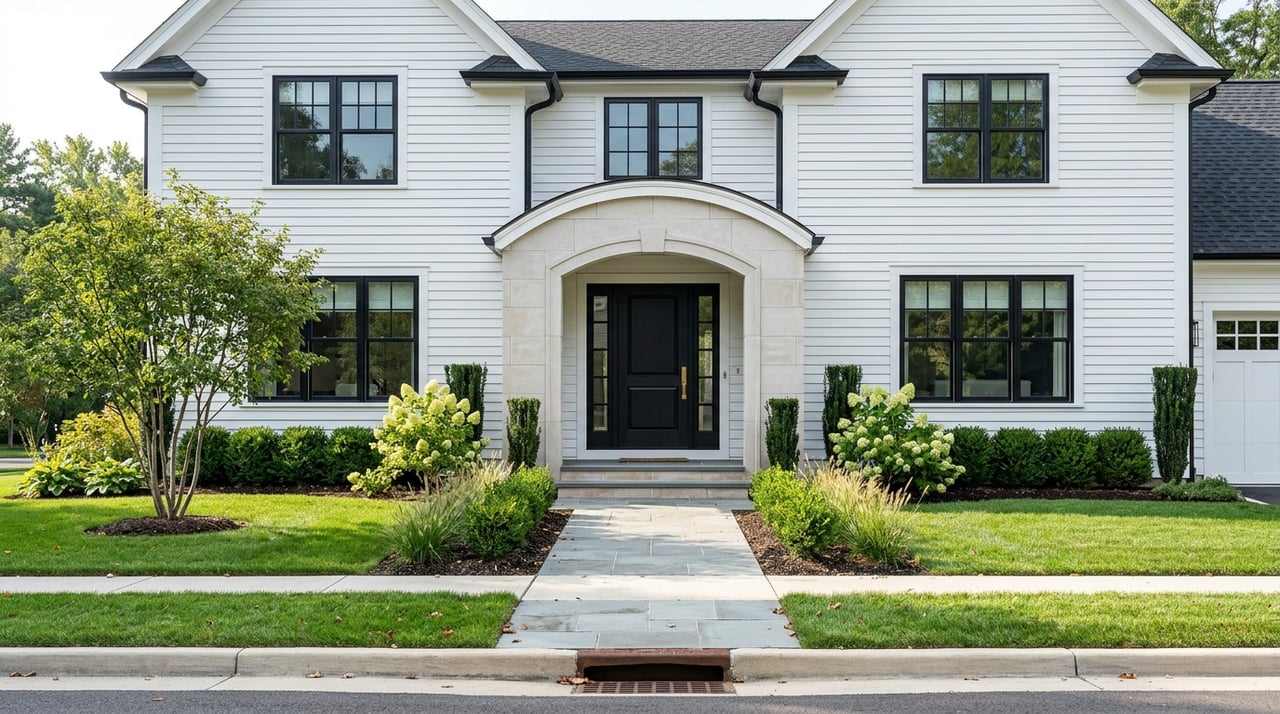
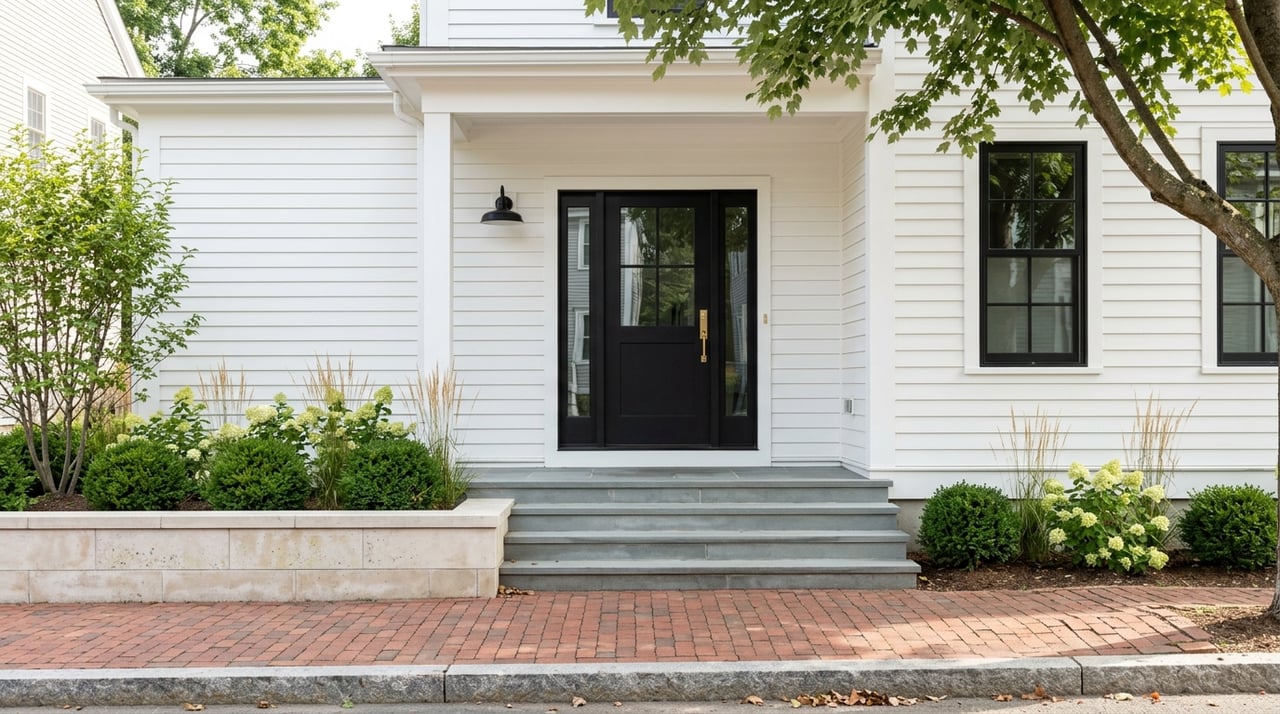
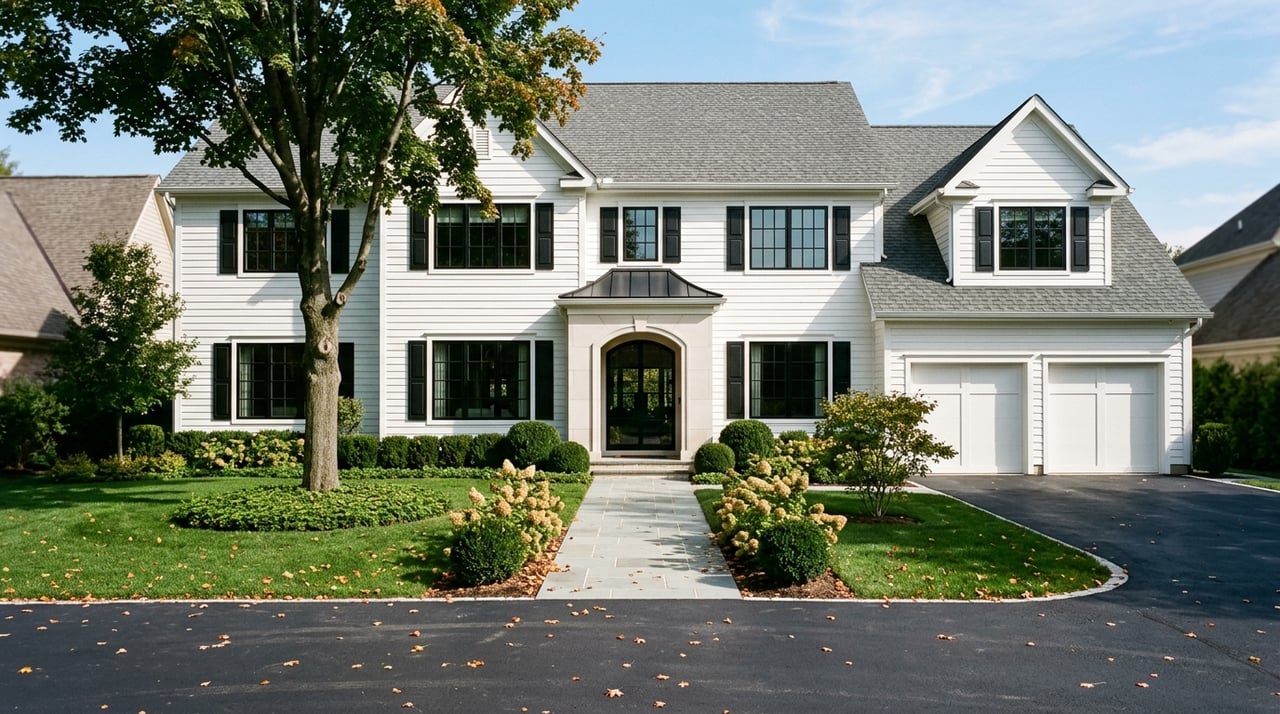
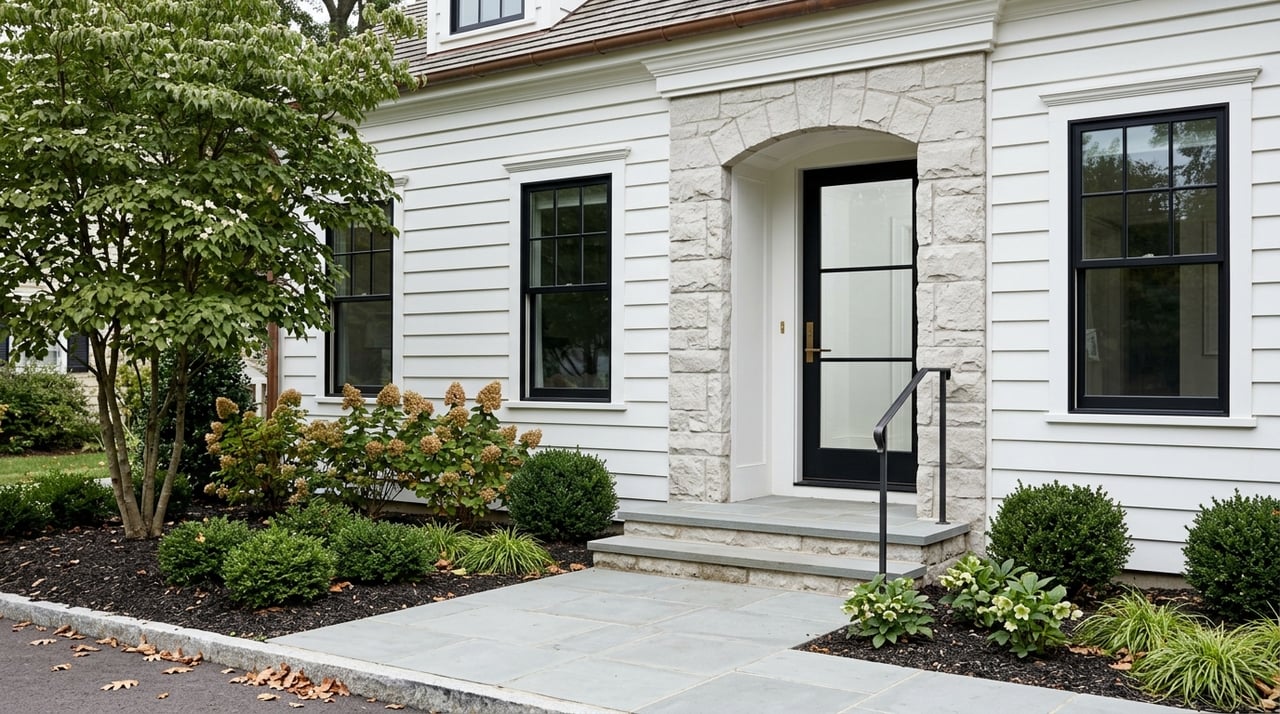
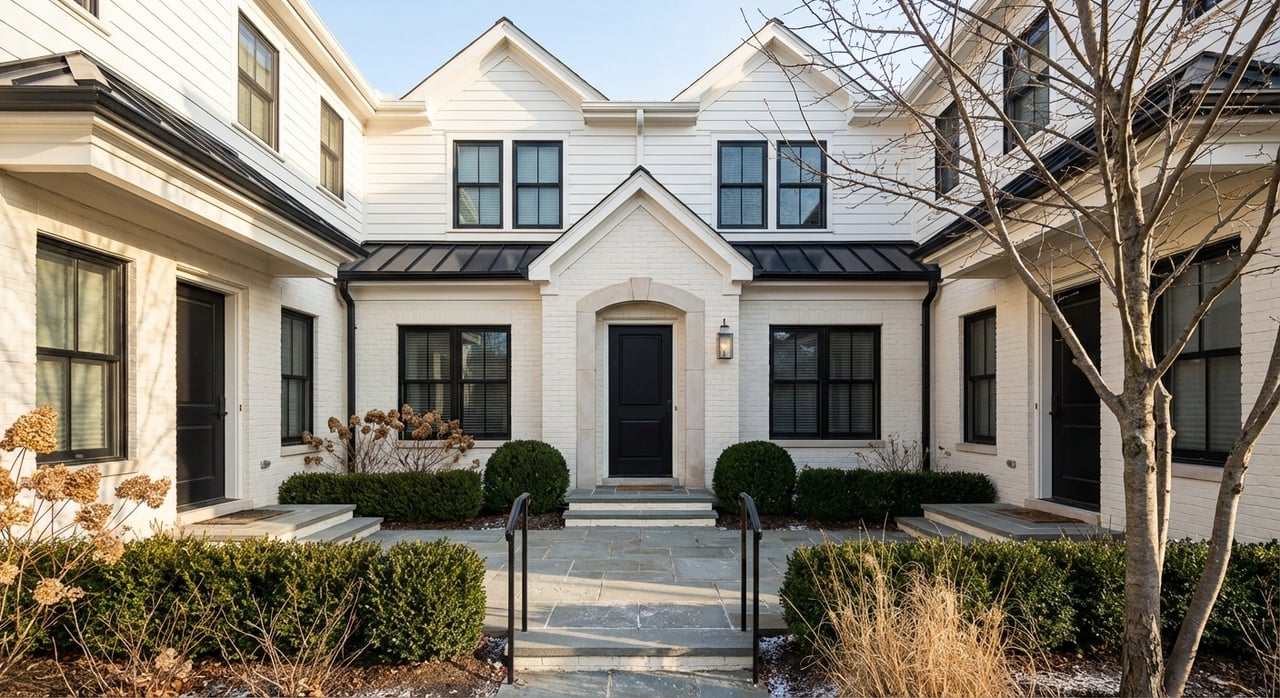
Chatham Township’s Master Plan says land-use decisions should recognize established character and protect the natural environment. Recent design standards in overlay materials also emphasize continuity of treatment, front-yard setbacks, front porches, cornice lines, base courses, and building materials or colors historically used in the township. That does not mean every house has to look the same, but it does mean context matters.
In a place with roots in colonial farms, older homesteads, and later suburban growth, fit often matters just as much as finish level. Projects that respect neighborhood scale and established streetscapes tend to feel more natural in the market. From a resale standpoint, broad appeal usually ages better than highly aggressive design choices.
Environmental Due Diligence Matters
For some lots, the biggest question is not style. It is feasibility. The land development code includes flood insurance rate and floodway map attachments, and the zoning code recognizes watershed overlay districts.
If a property is near water, in a low-lying area, or close to environmentally sensitive land, early due diligence is important. You want to understand constraints before finalizing plans, pricing construction, or assuming a larger footprint will be possible. This is especially relevant for buyers comparing a renovation candidate with a move-in-ready home.
Renovating for Long-Term Value
Chatham Township remains a high-value market with limited supply. Township housing analysis reports a median home value of $1,005,100, with 50.3% of owner-occupied homes valued at $1 million or more. It also reports an average sales price of $1,398,273 in 2024, while 2024 sales volume was the lowest of the decade in the state data set due to low inventory rather than weak demand.
Vacancy is also very low at 2.2%, and 87.8% of vacant units are for sale. That supports the idea that demand remains strong even when fewer homes trade. If you own in Chatham Township, well-planned improvements may matter not just for daily living, but also for positioning your home in a competitive, supply-constrained market.
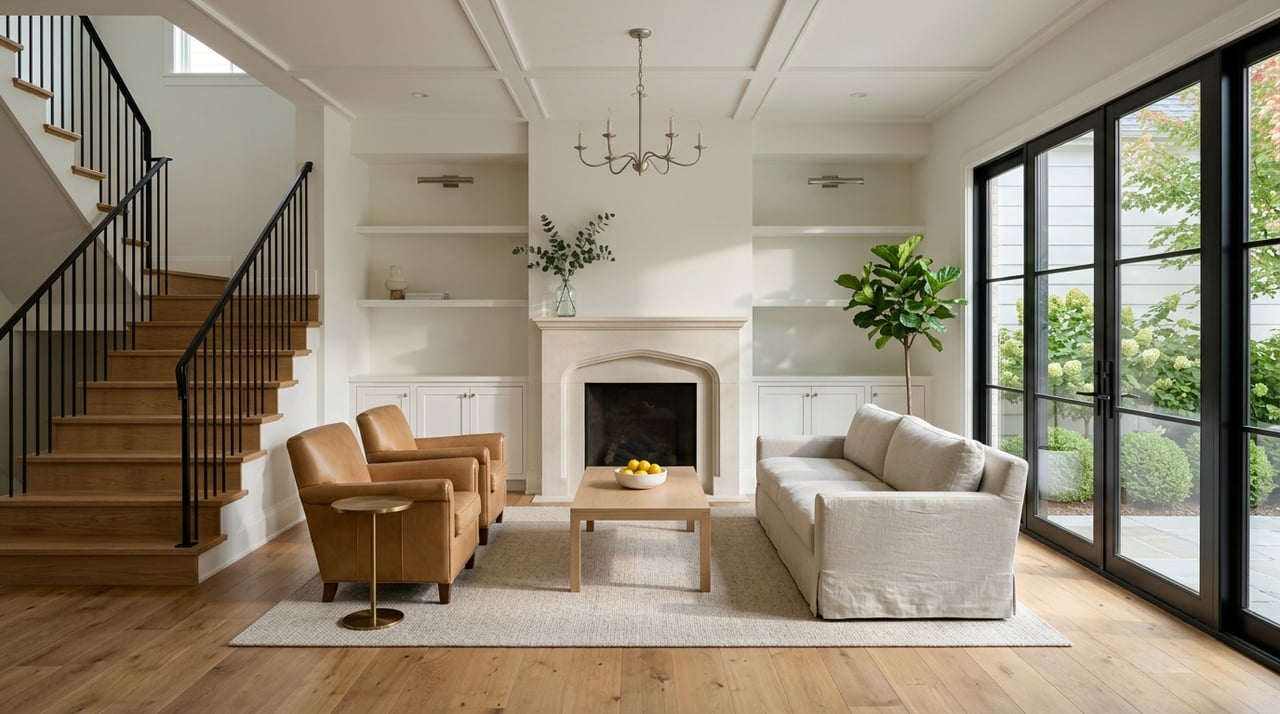
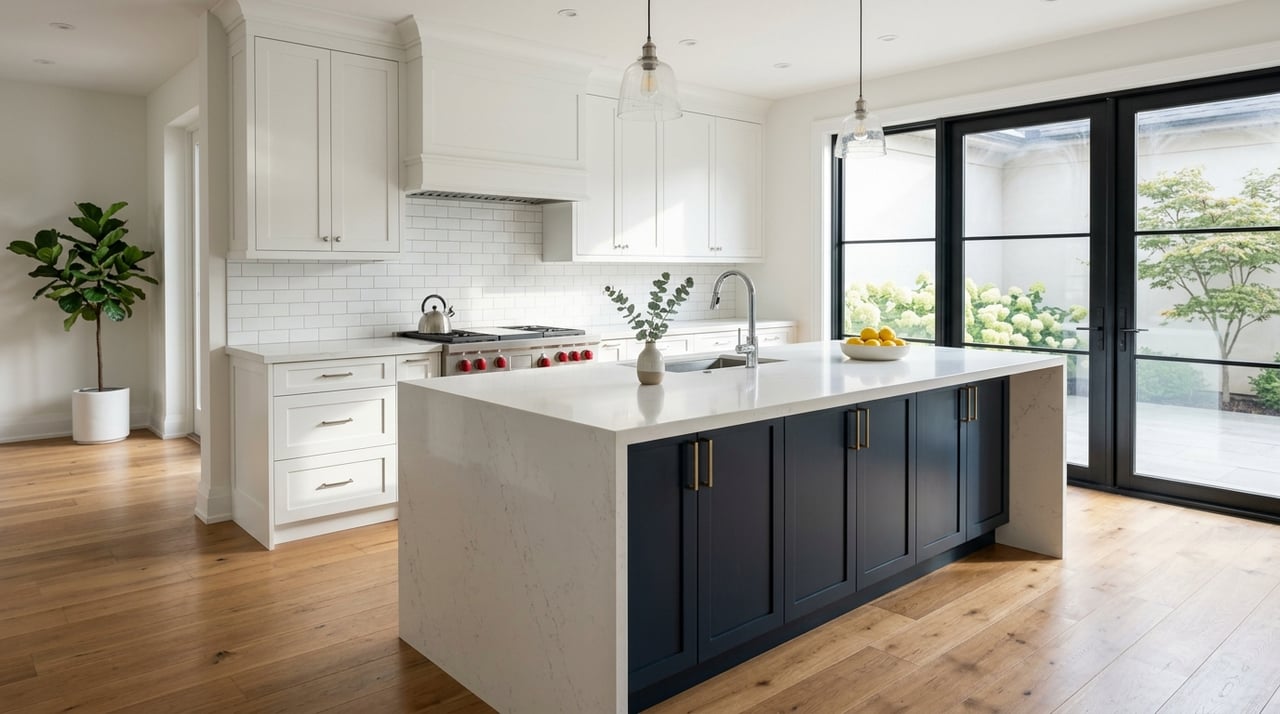
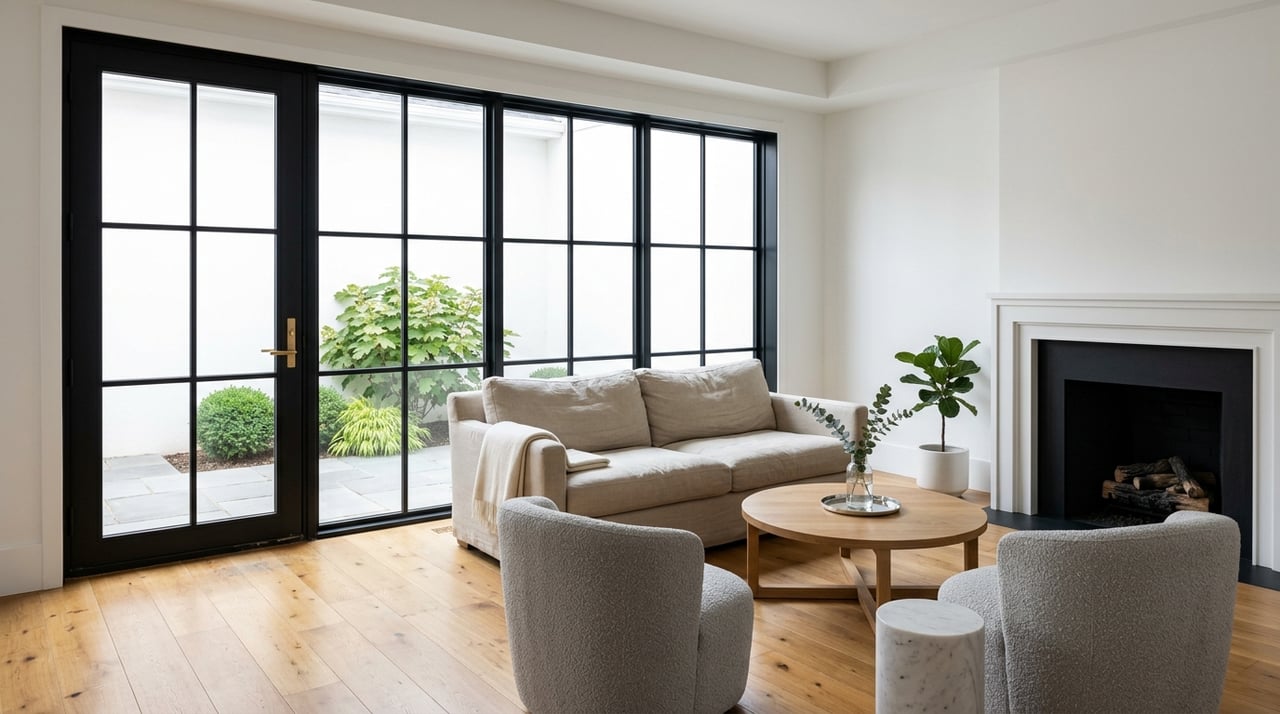
That said, value-add here is usually less about novelty and more about function. Given the prevalence of larger homes, buyers are likely to respond well to usable bedrooms, flexible bonus space, updated systems, and layouts that support everyday living. Oversized or highly personalized additions may not deliver the same payoff as smart, well-integrated improvements.
Do Not Ignore Carrying Costs
If you are deciding between a light renovation, a major addition, or a teardown and rebuild, taxes should be part of the conversation. The township says about 64 cents of every property tax dollar goes to the School District of the Chathams, 17 cents goes to the county, and 18 cents stays with local government. It also notes that residential property owners pay about 96% of the township’s property taxes.
That does not tell you what your future tax bill will be on a specific property, but it does reinforce a simple point. Long-term ownership cost matters. A bigger or more expensive project should be evaluated not only for construction cost, but also for how it fits your long-range budget and exit plan.
Rental Property Renovation Considerations
If your project involves a rental property, there is another layer to keep in mind. Chatham Township’s 2026 lead-based paint ordinance requires inspections at tenant turnover and at least every three years for single-family, two-family, and multiple rental dwellings, with certain exceptions. Exceptions include properties built during or after 1978, certified lead-free properties, seasonal rentals, and units with valid lead-safe certification.
If you are buying, holding, or renovating an income-producing property, this is worth confirming early. Compliance planning can affect project scope, timing, and operating expectations.
A Smart Build Strategy in Chatham Township
If you want to reduce surprises, start with the basics before you commit emotionally or financially. In Chatham Township, the strongest projects usually begin with local facts, realistic expectations, and a clear understanding of how the property fits the township’s rules and character.
A practical approach often looks like this:
- Confirm the property’s zoning district and any overlay constraints
- Verify whether the home is on public sewer or septic
- Review whether the project changes footprint, lot coverage, or use
- Identify whether Planning Board or Board of Adjustment involvement may be needed
- Check for related permits, including tree removal or road opening permits
- Evaluate whether the design fits neighborhood scale and long-term resale goals
- Factor in carrying costs as part of overall return on investment
If you are buying a home to renovate, selling a property with rebuild potential, or weighing whether to improve versus move, local market context can make a major difference. In a place like Chatham Township, the right decision is rarely just about construction. It is about timing, approvals, resale positioning, and choosing a path that fits your goals.
When you want guidance grounded in how Chatham buyers and sellers actually think, connect with Karen Torrente for clear, local insight on building, renovating, and making smart real estate decisions.
FAQs
What permits are commonly needed for a renovation in Chatham Township?
- Construction permits are generally required for building, structural, electrical, HVAC, and plumbing work, and a separate zoning permit may be needed if the project changes footprint, lot coverage, or use.
What boards review development applications in Chatham Township?
- The Planning Board reviews subdivisions and site plans, while the Board of Adjustment handles variances and certain zoning uncertainties.
Why does zoning matter for building in Chatham Township?
- Zoning matters because lot size and development standards vary widely by district, so what you can build depends heavily on the exact parcel.
Are all homes in Chatham Township connected to public sewer?
- No. The township notes that some homes have septic systems, so utility status should be confirmed early for any major build or renovation.
How long does it take to get a construction permit in Chatham Township?
- The Building Department states that once a complete application is submitted, it has 20 business days to prepare the permit.
What types of home improvements may help resale in Chatham Township?
- Based on the township’s housing profile and planning context, projects that improve function, support flexible living space, and respect neighborhood scale are generally the safest value-add approach.