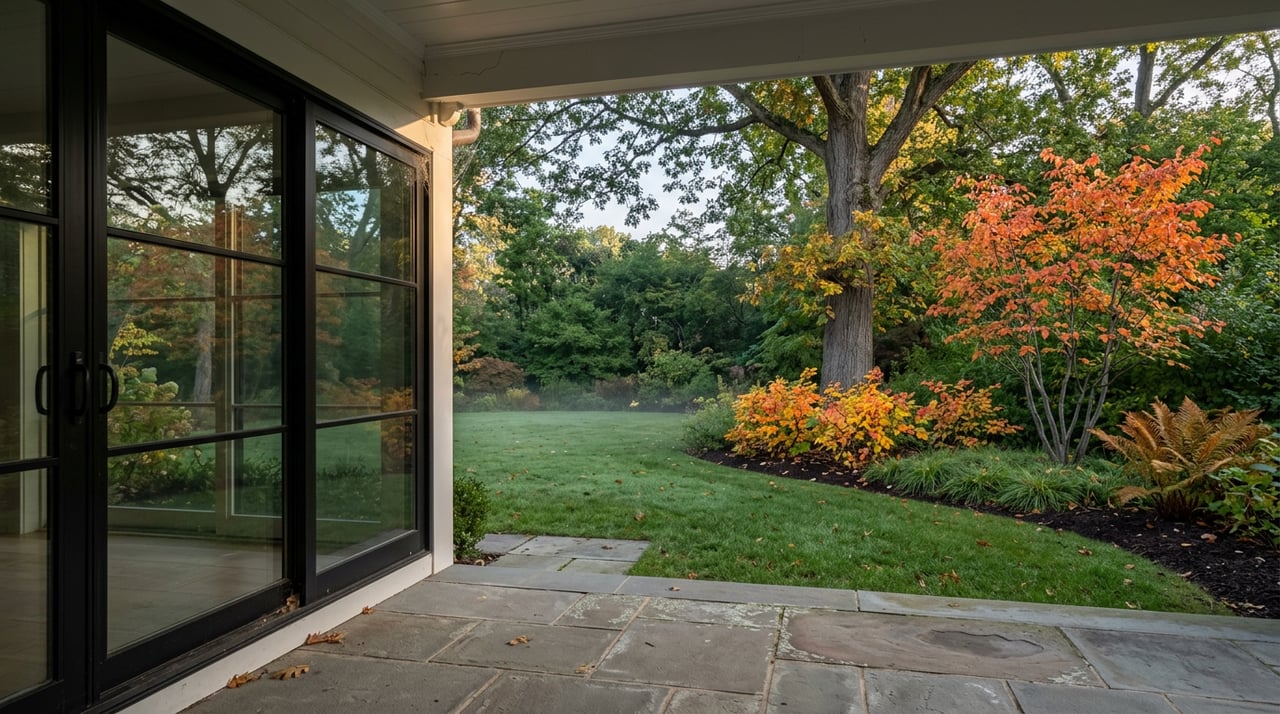
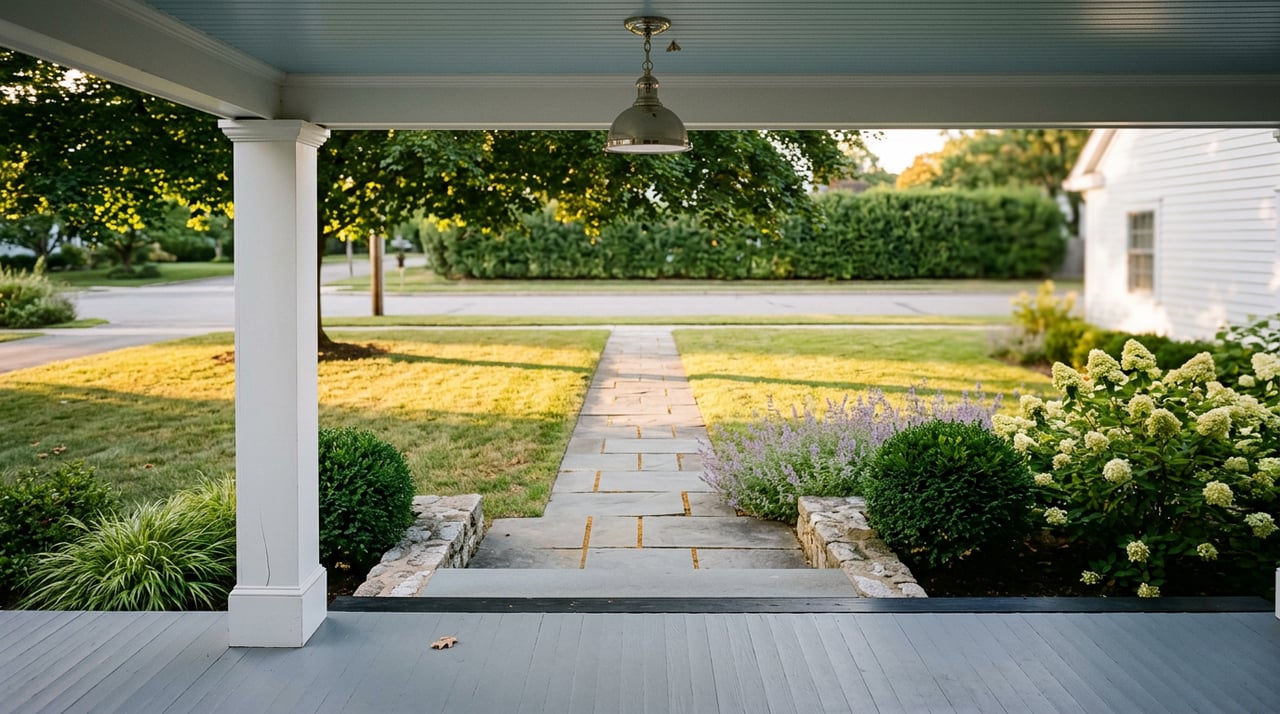
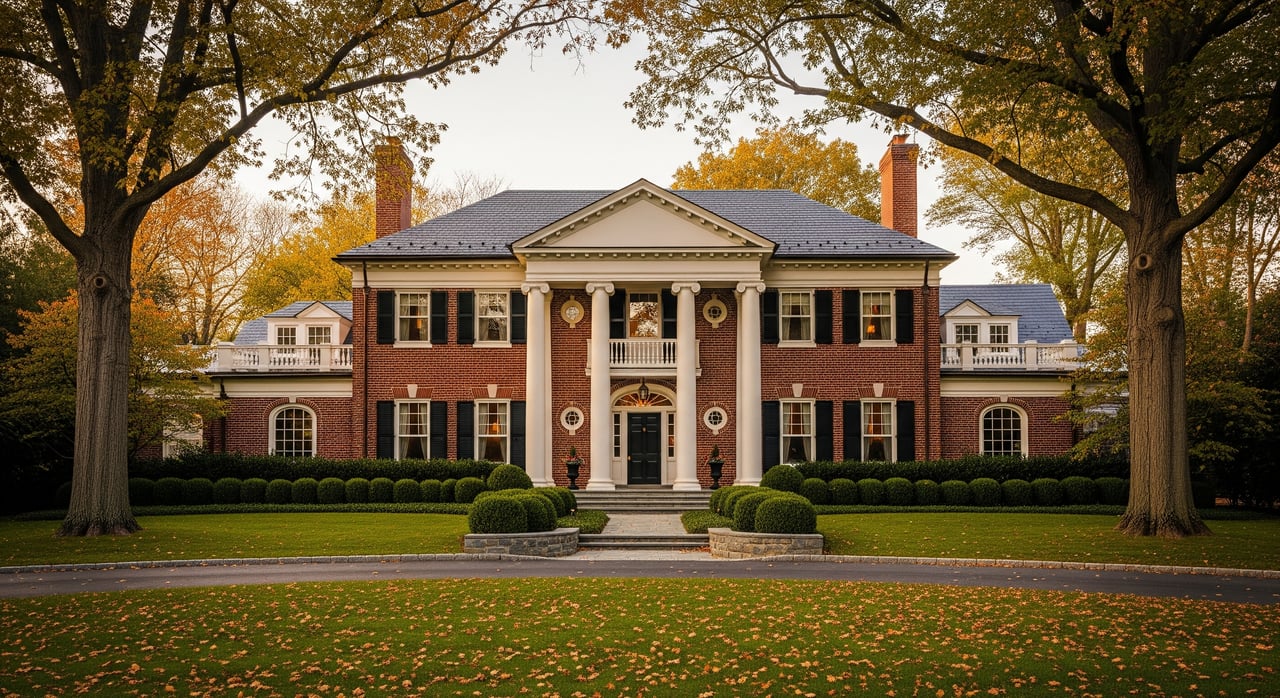
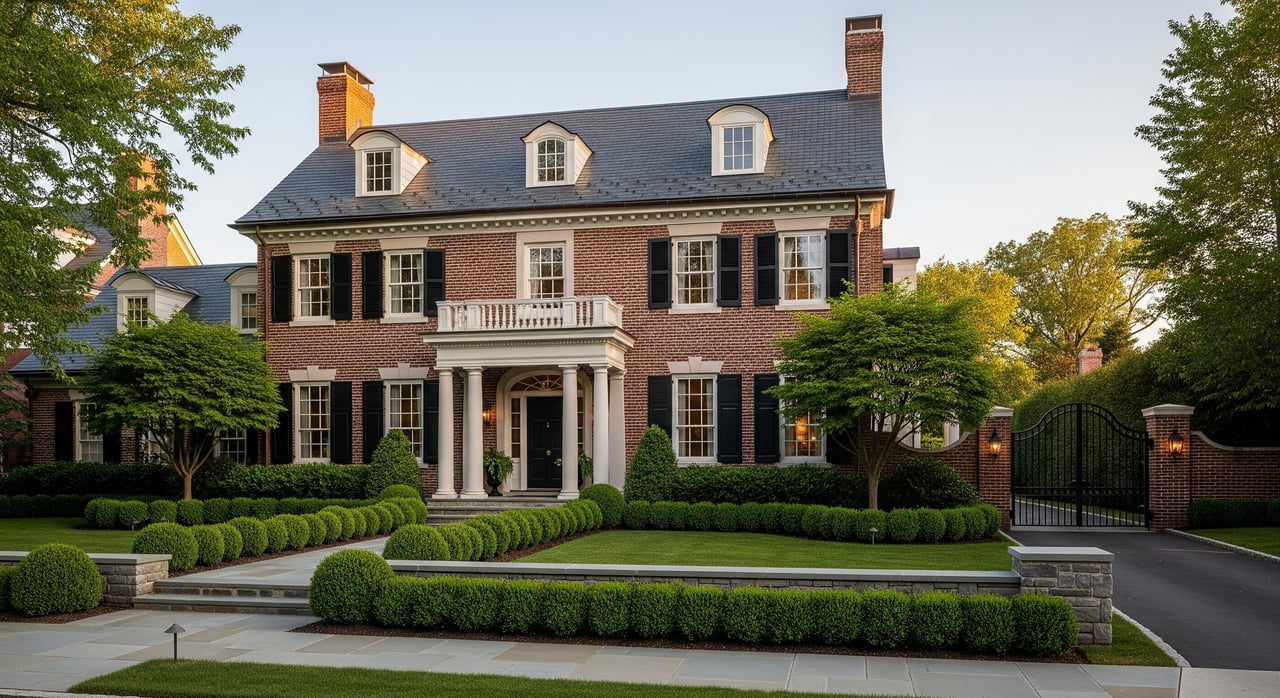
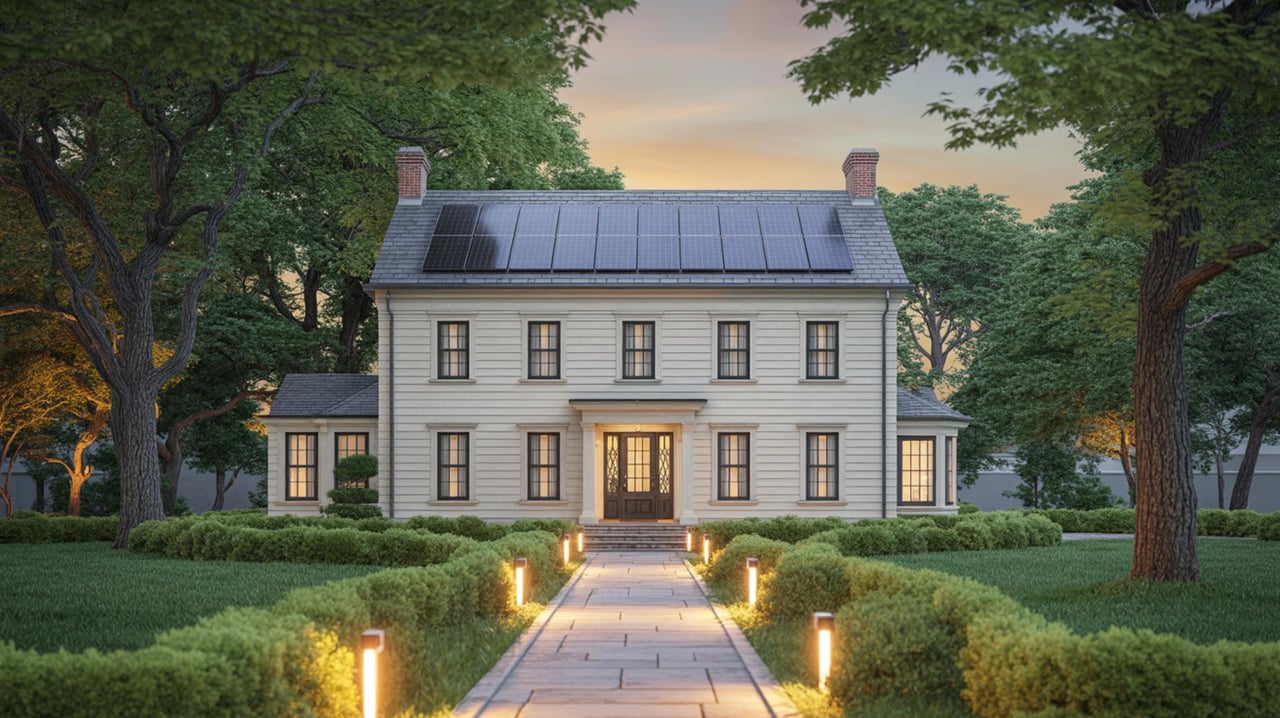
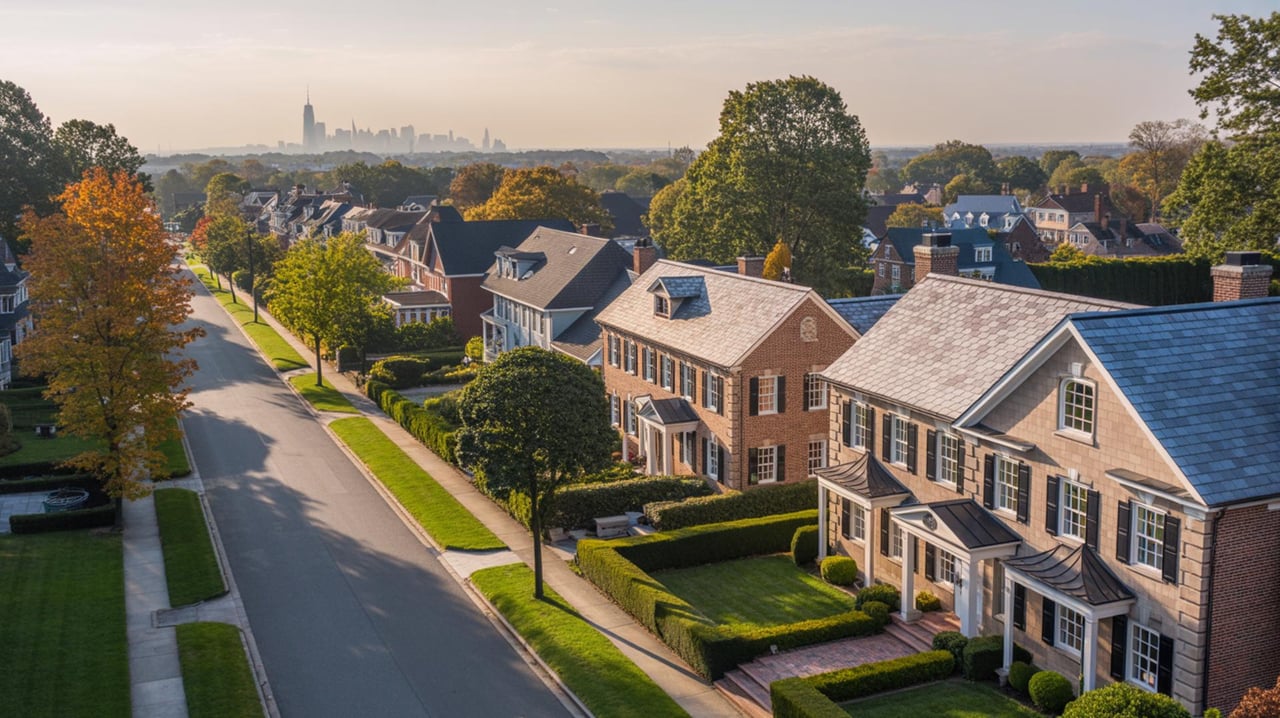
A Chatham Township lot listed at half an acre is not always half an acre you can build on. The Great Swamp National Wildlife Refuge occupies roughly a third of the township, and according to the township's own Natural Resources Inventory, the wetlands tied to the refuge don't stop at its boundary. They extend into most of the township and up some of the eastern slopes, which means a parcel can sit well outside the refuge fence and still carry wetlands or a wetlands transition buffer across part of its yard.
For anyone planning an addition, a pool, or a teardown-rebuild in the Township, that distinction matters more than square footage on a listing sheet. It decides what permits a project needs, and whether the buildable envelope on paper matches the one a contractor can actually use.
Where the Swamp Actually Ends
The refuge itself is federally designated wilderness under a 1968 act of Congress, and it covers a large, mapped footprint inside the township. But the wetlands that feed it are older than the boundary lines. The Chatham Township Natural Resources Inventory describes them as the remnant of a lake formed when the Wisconsin glacier melted ten thousand years ago, and notes they extend well past where the refuge sign is posted.
Over 40 percent of the township is preserved as open space today, a share that grew with the more recent acquisition of the Platt property, which put more than half of the Hickory section into permanent preservation. That preservation pattern is good news for anyone who bought into the township for the woods and the quiet. It also means a meaningful share of remaining residential lots sit adjacent to, or partially inside, land the state treats as wetlands for permitting purposes, whether or not that land is inside the refuge itself.
The township's guidance for checking this is straightforward: a parcel can be checked for a wetland easement by searching the online Morris County database before a shovel goes in the ground. That single search, done before an offer rather than after a contractor's first site visit, is the difference between planning a project and discovering a constraint.
The Permit Hiding Behind the Addition
New Jersey regulates wetlands and the land around them through the Freshwater Wetlands Protection Act, and the state's Department of Environmental Protection is explicit that a permit or approval is required for any activity that may impact a wetland, while Ask Us First says the transition area around a wetland (the buffer) can extend up to 150 feet depending on the wetland's classification. Construction and renovation work inside that buffer requires a permit.
For larger projects, the paperwork trail is spelled out in the township's own land development code. A wetlands Letter of Interpretation from the NJDEP is required for any major subdivision or site plan application. A minor subdivision doesn't require that formal letter, but it still requires an on-site wetlands delineation by a qualified consultant, and if wetlands are found that could be affected by the proposed work, an approved Letter of Interpretation has to be submitted anyway before the minor application can move forward.
In practice, this means the size of the check depends on the size of the project:
- A large addition, a new detached garage, or a lot subdivision near a mapped wetland edge can trigger a full NJDEP review before the township will even process the construction permit.
- A smaller addition on a lot with no observed wetlands can move forward with a simple note on the plans stating that none were found, once a consultant has looked.
- Either way, the determination has to happen before permitting, not during it, because the township's own code ties the construction permit process to wetlands documentation on the site plan.
None of this is unique to any one section of the township. But it shows up more often on the larger, more wooded lots that define places like Rolling Hills and the land closer to the refuge, simply because more of that acreage sits near a stream or a mapped wetland boundary in the first place.
The Second Permit Nobody Budgets For
Wetlands aren't the only local review that can slow a Township renovation. Chatham Township's tree management ordinance requires a separate tree removal permit for most tree work tied to construction, with a filing fee of $50 per application. That fee is modest. The review attached to it is where projects lose time.
Removing a tree within 20 feet of the front yard property line requires approval from two of three township officials: the Zoning Officer, the Township Engineer, or the Construction Code Official. The ordinance also sets a minimum tree density standard of one tree for every 2,500 square feet of lot area, which means a homeowner clearing space for a pool or an addition has to account for what stays, not just what comes down. On a half-acre lot, that density requirement alone can shape where a contractor is willing to put the excavator.
The ordinance is written to allow homeowners reasonable use of their property, and it explicitly permits removing dead, diseased, or hazardous trees and routine pruning without a permit. The friction shows up specifically at the intersection of construction and tree clearing, which is exactly the moment most renovation and rebuild projects hit it.
How to Check Before You Fall for the Lot
For a buyer comparing a Chatham Township property to one in the Borough or in neighboring Madison, the practical move is to treat the wetlands and tree ordinance review as part of due diligence, the same way a buyer would treat a septic inspection or a title search in another market. Two checks cost little and answer most of the question early:
- Search the Morris County wetland easement database for the specific parcel before writing an offer contingent on a future addition or pool.
- Ask whether a wetlands delineation has ever been done on the property, and if not, budget the time and cost of one into the renovation timeline rather than the closing timeline.
Sellers benefit from the same information. A homeowner who has already completed a wetlands delineation, or who can point to an approved Letter of Interpretation on file from a past addition, hands a buyer a cleaner path to their own project. That paperwork does not show up in listing photos, but it answers a question serious buyers in this price range are already asking their contractors.
A Few Questions Worth Asking Early
Does every Chatham Township lot have wetlands on it? No. The refuge and its surrounding wetlands cover a large share of the township, roughly a third by the township's own accounting, but plenty of lots sit entirely outside any mapped wetland or buffer. The only way to know for a specific parcel is to check the county database or commission a delineation.
Is this different from buying in Chatham Borough? Largely yes. The Borough's lots are smaller and closer to downtown, with less of the township's wooded, refuge-adjacent acreage. The wetlands transition area and the tree density requirements described here are tied to the Township's land area and its 23 zoning districts, not to the Borough's separate code.
Does a wetlands buffer lower what a property is worth? Not inherently. Many buyers specifically want the privacy and tree cover that come with a lot near the refuge. What it does is add a step, and sometimes a cost, to any future construction, which is worth pricing into the decision rather than discovering after closing.
Building near the Great Swamp is part of what makes Chatham Township what it is, and most projects here move forward without incident once the wetlands and tree paperwork is handled up front. Knowing which check to run, and when to run it, is what turns a possible delay into a normal step in the process.
If you're weighing a Chatham Township property with a renovation or rebuild in mind, Karen Torrente can walk through what a specific lot's wetlands and tree permit picture looks like before you write an offer.
This article is general information, not legal, tax or financial advice. Consult a qualified professional about your situation.