Ask a Chatham Borough seller what they're dreading most about closing and most will say the same thing: the fire inspection. Smoke detectors, the fire extinguisher, whether the basement passes. It's the thing sellers Google, the thing they call their agent about, the thing that shows up in every generic "selling in New Jersey" checklist.
It's also, in the Borough, the easy part.
The Borough of Chatham runs its Certificate of Continuing Occupancy process through its own zoning office under Ordinance #21-01, and once you understand how it actually works, it stops being scary. The Zoning Official has 30 days from a complete application to inspect the property and issue the certificate, and the application fee starts at a minimum of $100. The inspection checks that smoke detectors and carbon monoxide detectors are properly installed under state code, alongside the borough's own zoning and property maintenance standards. The smoke detector rules are specific but knowable: one per level, positioned at the base of the stairs, no more than 10 feet from each bedroom, and no more than four feet from the ceiling if it's wall mounted. There's a defined process, a minimum application fee, and a fixed window. If you fail, you fix the flagged item and get reinspected. It's paperwork, not a mystery.
Worth noting: this is a different process than the one in neighboring Chatham Township, where the Fire Prevention Bureau runs its own inspection with a two-week lead time and a $50 application fee. Same idea, two separate municipalities, two separate offices, two separate ordinances. If you've sold in one town and are selling in the other, don't assume the timeline or the fee carries over.
None of that is what actually derails a Chatham Borough closing.
What the fire inspector never asks about
The Borough's CCO process, like every fire and smoke detector certificate in New Jersey, is built around visible, correctable safety items. It has nothing to say about what's buried in the yard. And in a town where a meaningful share of the housing stock predates natural gas heat, that's the gap that matters.
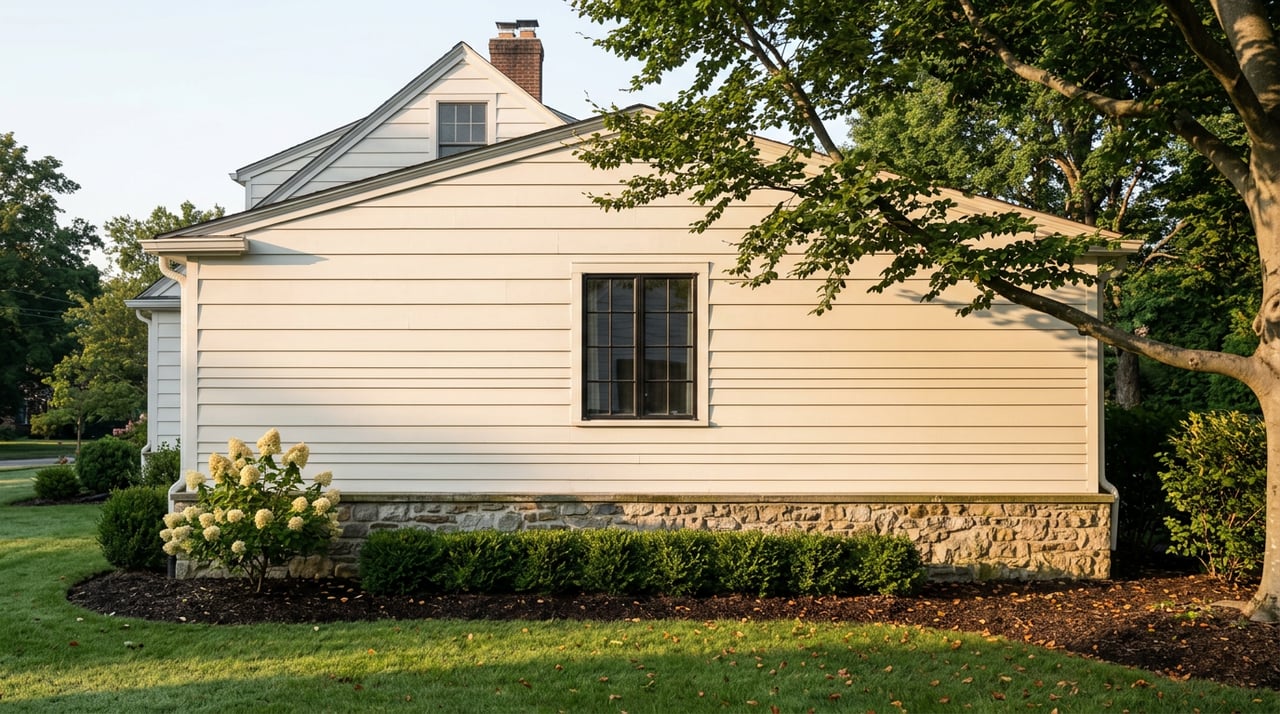
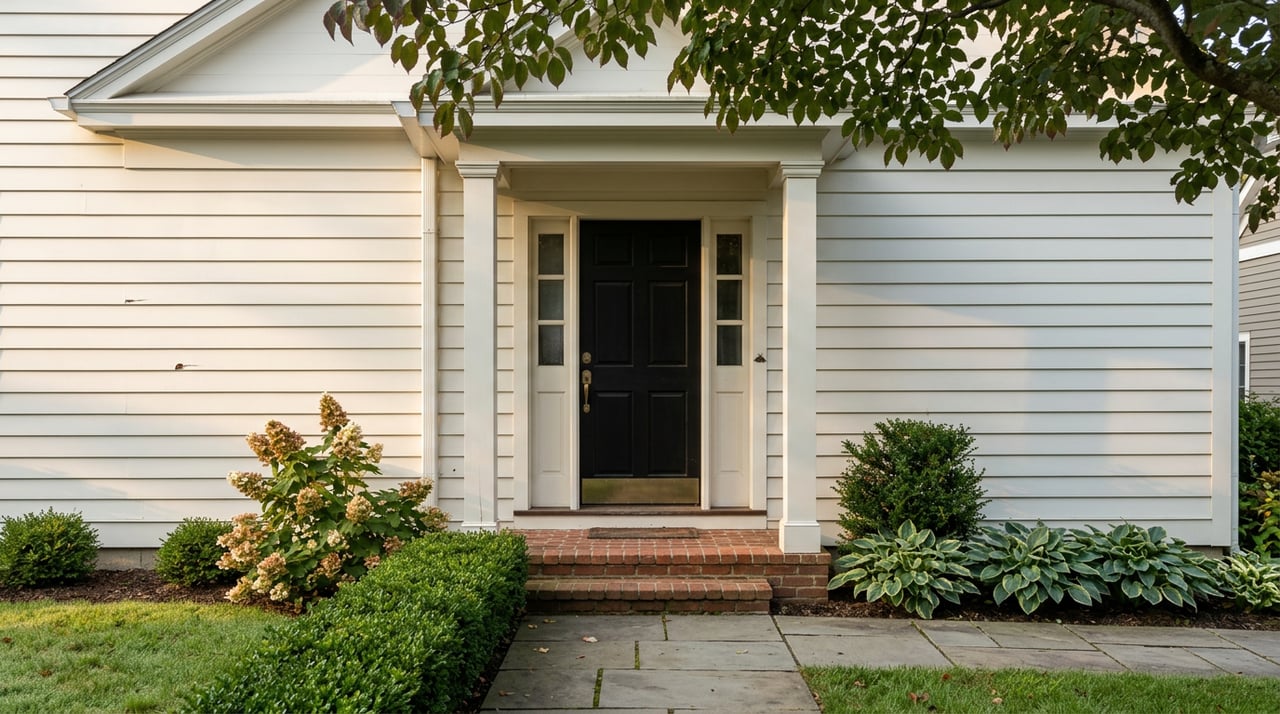
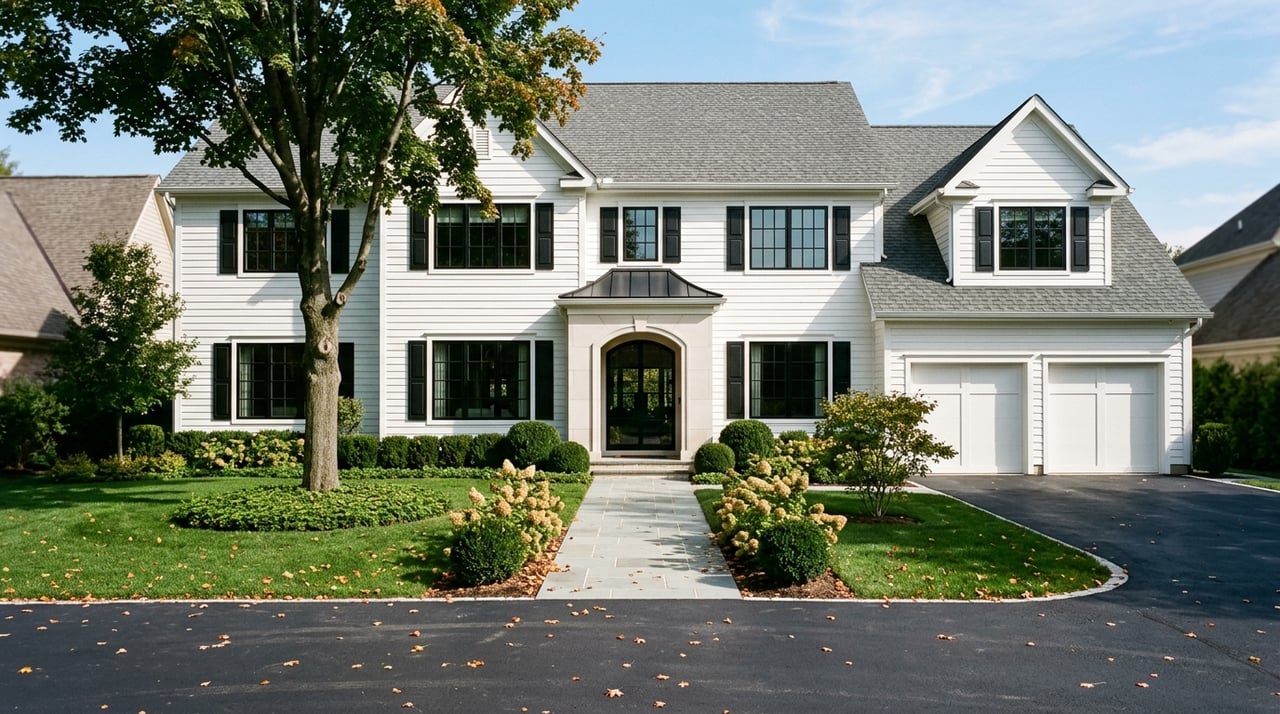
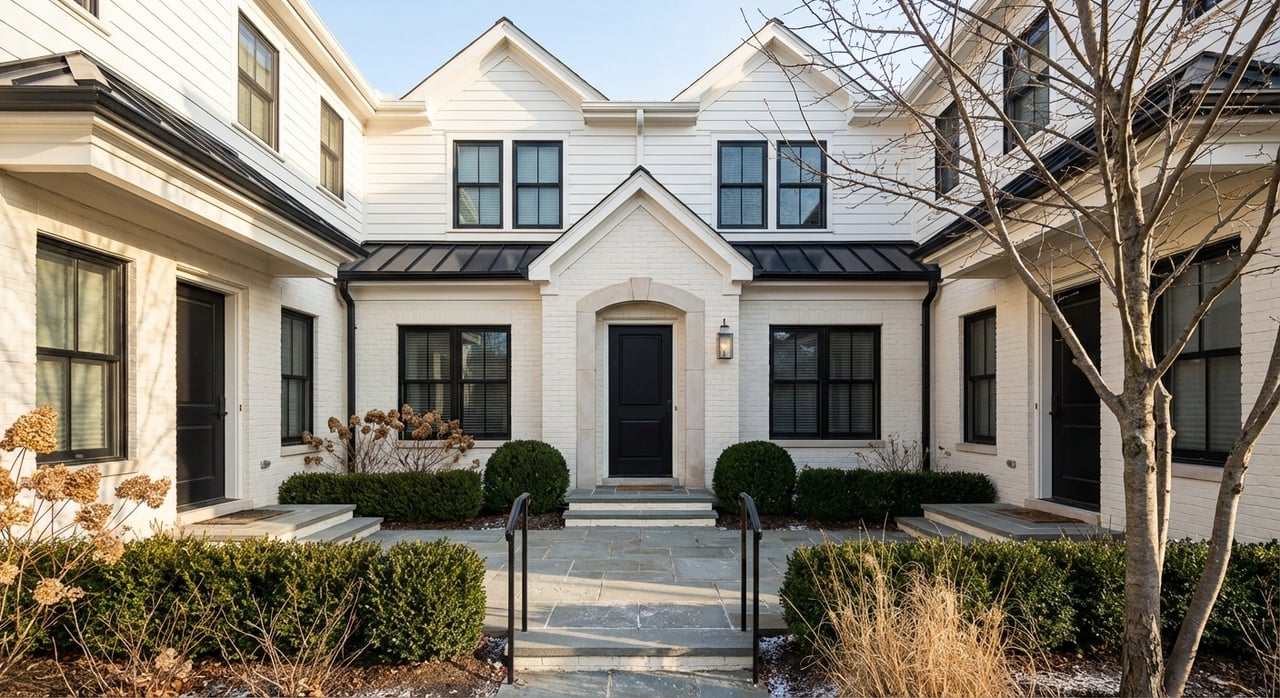
Chatham Borough was mostly built out before World War II. Two houses in town still standing today, the Paul Day House on Kings Road and the Nathaniel Bonnell House on Watchung Avenue, date back to the colonial period itself. The Borough's historic Manor section carries homes running from the 1800s through the Revolutionary era, and the town's broader housing stock skews toward Victorian and early 20th century Colonial construction. Local heating contractors who've served the Chathams for decades describe the pattern plainly: a large share of these older homes were originally heated with oil, and many have since been converted to natural gas as service extended through town. What a conversion doesn't always include is removal of the tank that used to feed the old system.
That's the quiet risk sitting under a lot of Borough lawns. Not a defect anyone can see on a walkthrough. Not something the Zoning Official checks during a CCO inspection. Something that only surfaces when a buyer's inspector notices an old fill pipe near the foundation, or a capped vent line nobody thought to ask about, or a home heating bill history that mentions oil delivery from years ago.
Why this issue behaves differently than the fire inspection
Oil Tank Removal NJ says New Jersey law requires sellers to disclose any known underground storage tank through the Seller's Property Condition Disclosure Statement. That part isn't optional and isn't unique to Chatham. What is worth understanding is how differently this issue moves through a transaction compared to the CCO process.
The fire inspection has a deadline built into it: apply, get inspected within 30 days, get your certificate. A buried tank has no equivalent clock. Stewart Environmental notes that there is currently no New Jersey regulation requiring removal of an underground tank unless it's actively leaking, so nothing forces the issue to surface early. It shows up whenever a buyer's attorney or inspector happens to ask, which in practice tends to be during attorney review, well after a deal is under contract and both sides have started planning around a closing date.
That timing is what makes it corrosive to a transaction in a way a failed smoke detector inspection never is. A failed CCO inspection means a re-inspection fee and a short delay. A tank discovered mid-contract means the buyer's lender may balk, since many mortgage lenders are reluctant to finance a property with a known buried tank, and standard homeowner's insurance typically excludes environmental contamination from coverage. The seller is now negotiating removal and testing on a timeline set by the buyer's nerves rather than a fixed municipal window.
What this actually costs, and what it doesn't
Above-ground tank removal in New Jersey generally runs in the range of $1,500 to $2,500. Underground removal is more involved, typically $2,000 to $4,500, and if soil testing turns up contamination, remediation can add another $3,000 to $15,000 or more depending on the extent of the leak. Those numbers matter less as a line item and more as a planning tool: they're the difference between a seller who orders a tank sweep before listing and controls the outcome, and a seller who finds out from a buyer's inspector three weeks into contract and negotiates from a weaker position.
Here's the practical comparison, side by side:
| Fire/CCO Inspection | Buried Oil Tank | |
|---|---|---|
| Governed by | Borough Ordinance #21-01, Zoning Official | State disclosure law, no fixed municipal process |
| Timeline | 30 days from complete application | No deadline, surfaces whenever discovered |
| Typical cost | $100 minimum application fee | $2,000-$4,500 removal, $3,000-$15,000+ if contamination found |
| When it usually comes up | Scheduled proactively before closing | Often discovered during attorney review |
| Who controls the timing | The seller, by applying early | Whoever finds the fill pipe first |
The column on the left is administrative. The column on the right is where deals actually stall.
What to check before you list
If your Chatham Borough home was built before the 1980s, and especially if it's one of the town's many Victorian or early 20th century Colonials, it's worth spending an afternoon on this before your listing photos go up.
- Walk the exterior perimeter and look for an old fill pipe, usually a capped metal pipe a few inches across, often near the foundation or along a side yard
- Check the basement for a capped or disconnected oil line, or a chimney liner that looks older than your current heating system
- Pull whatever heating bill history or service records you have, since a past oil delivery account is its own kind of evidence
- If any of that turns up, or you genuinely don't know, hire a licensed contractor to run a tank sweep before you list, not after an offer is in
If nothing turns up and there's no paper trail suggesting oil heat ever ran through the house, that's useful information too. Either way, you want the answer before a buyer's inspector finds it for you.
FAQ
Does every Chatham Borough home have a buried oil tank? No. Plenty of homes have never had oil heat, and others had tanks properly removed with documentation on file. Age raises the odds, it doesn't guarantee the outcome.
Does the Borough's Certificate of Continuing Occupancy inspection check for oil tanks? No. That inspection, run under Ordinance #21-01, covers zoning compliance, general property maintenance, and smoke and carbon monoxide detector installation. It has no bearing on what may be buried underground.
What if I don't know whether my home ever burned oil? That's common in a town this old. A tank sweep from a licensed contractor before you list is the cleanest way to get a definitive answer while you still control the timeline.
If you're weighing when to list a Chatham Borough home, or want a clear read on what your specific property is likely to face at the inspection stage, Karen Torrente has walked enough Borough transactions to know which items are routine and which ones deserve attention months before closing day. Let's Connect.
This article is general information, not legal, tax or financial advice. Consult a qualified professional about your situation.