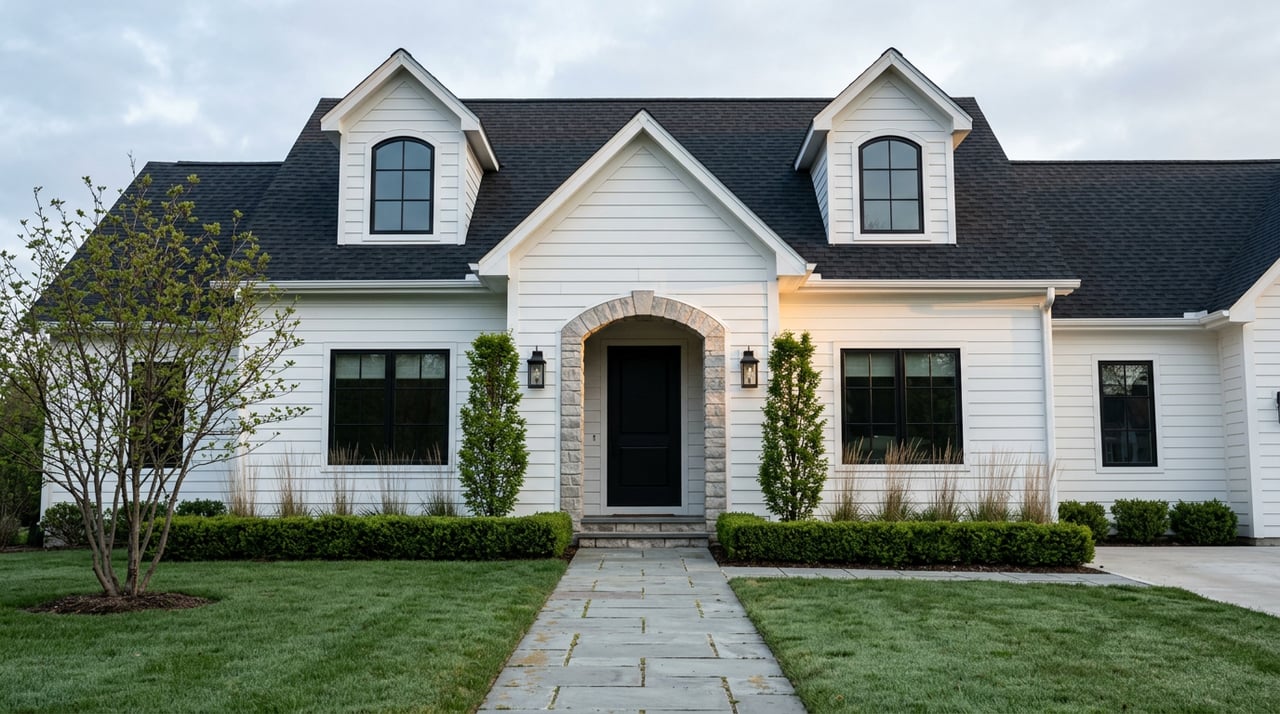
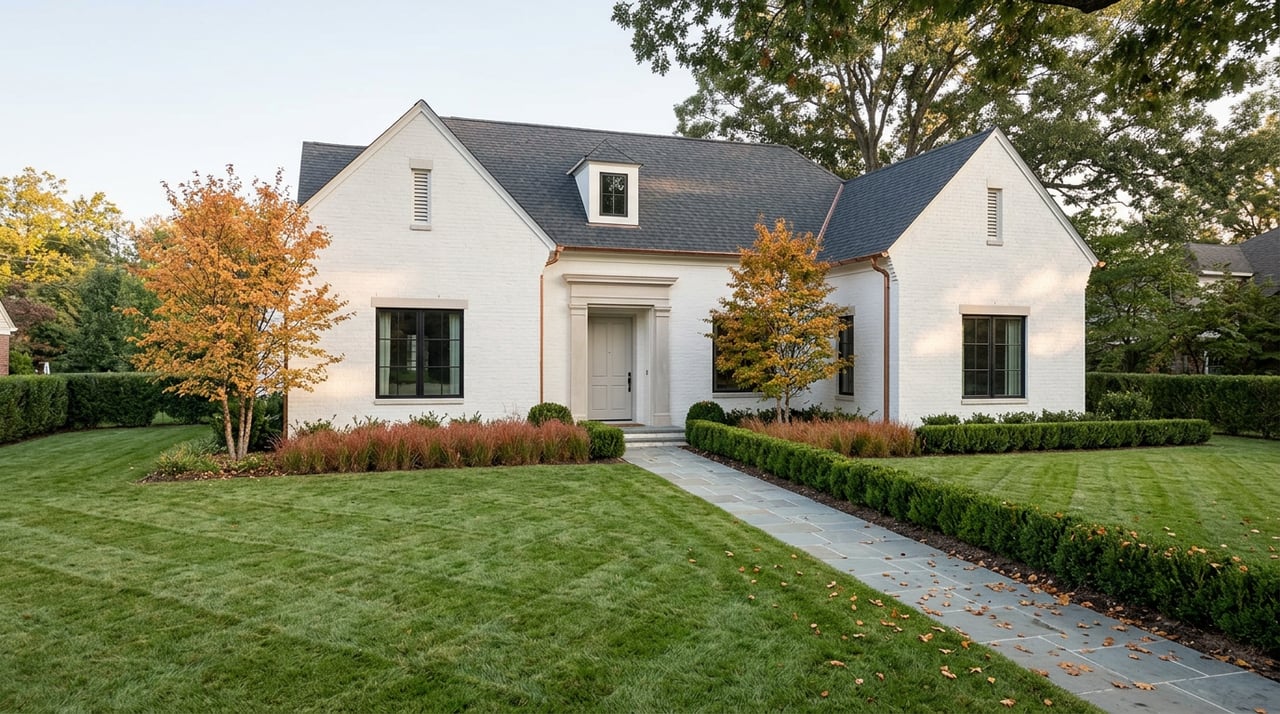
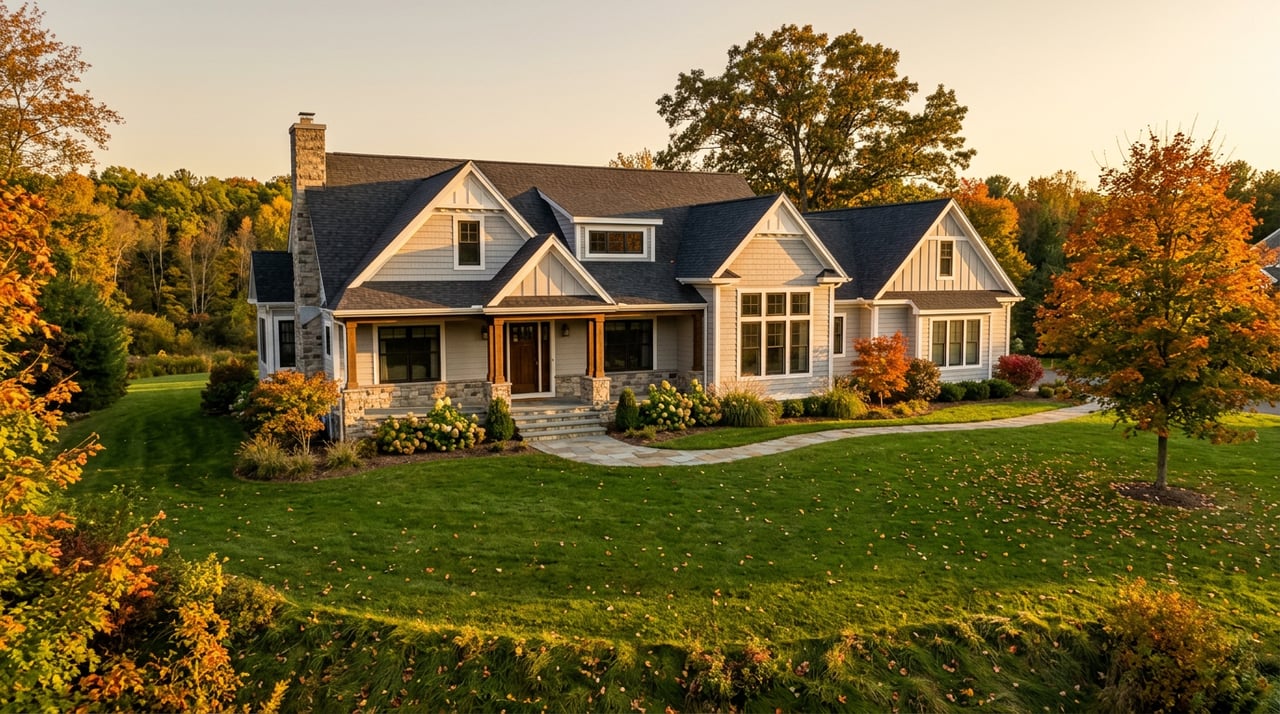
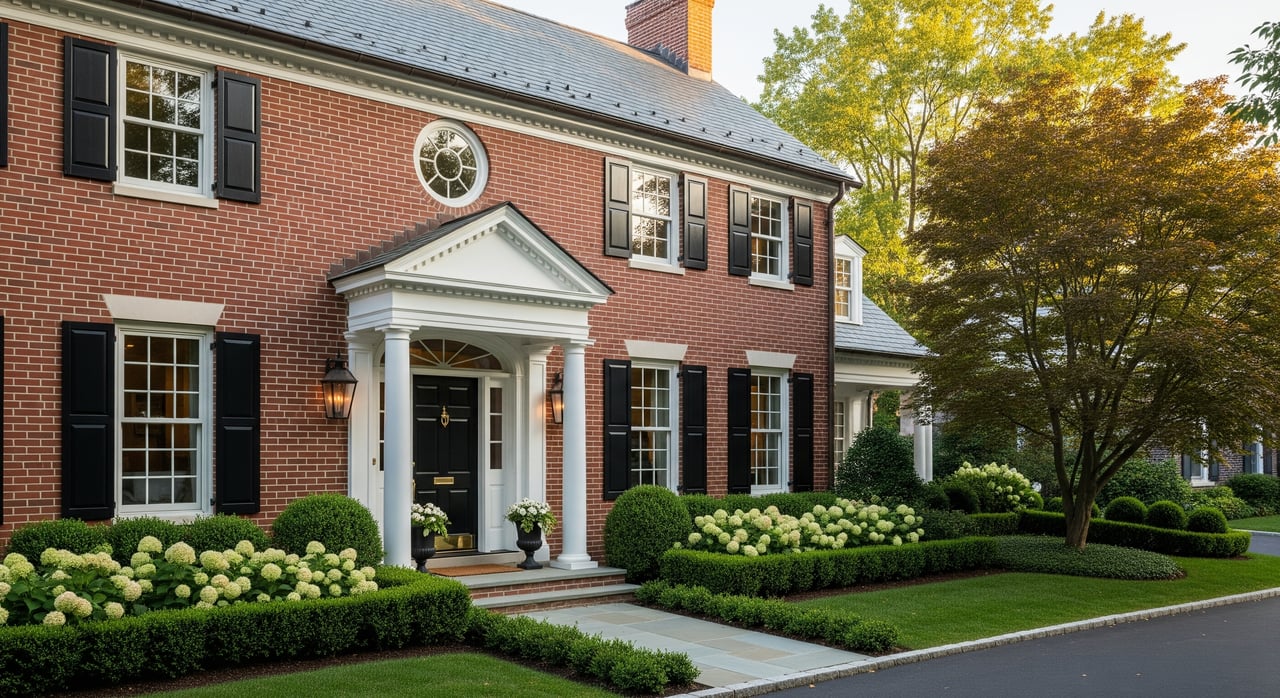
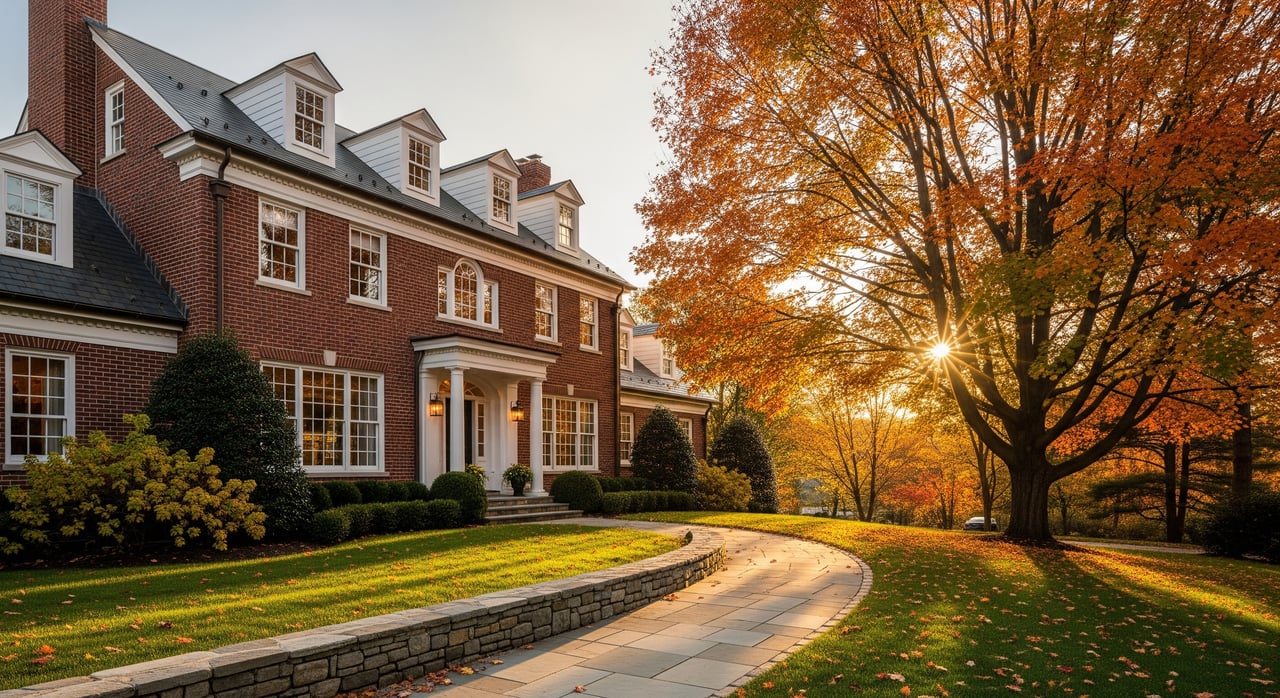
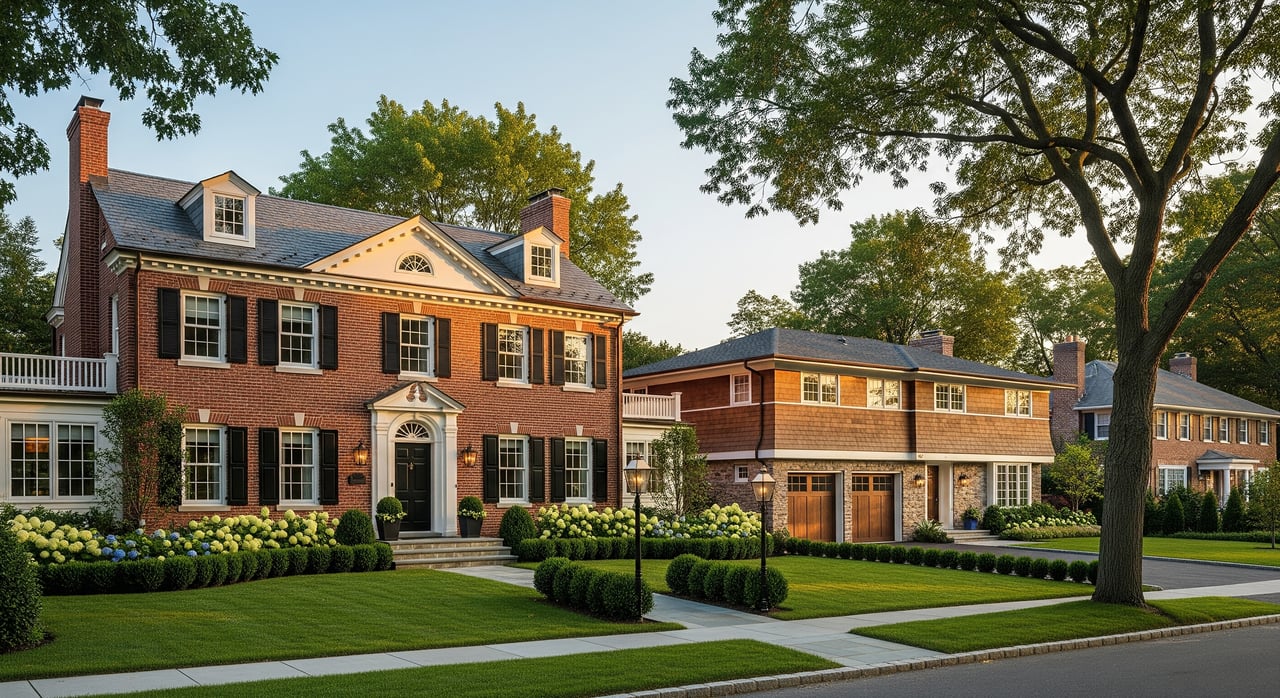
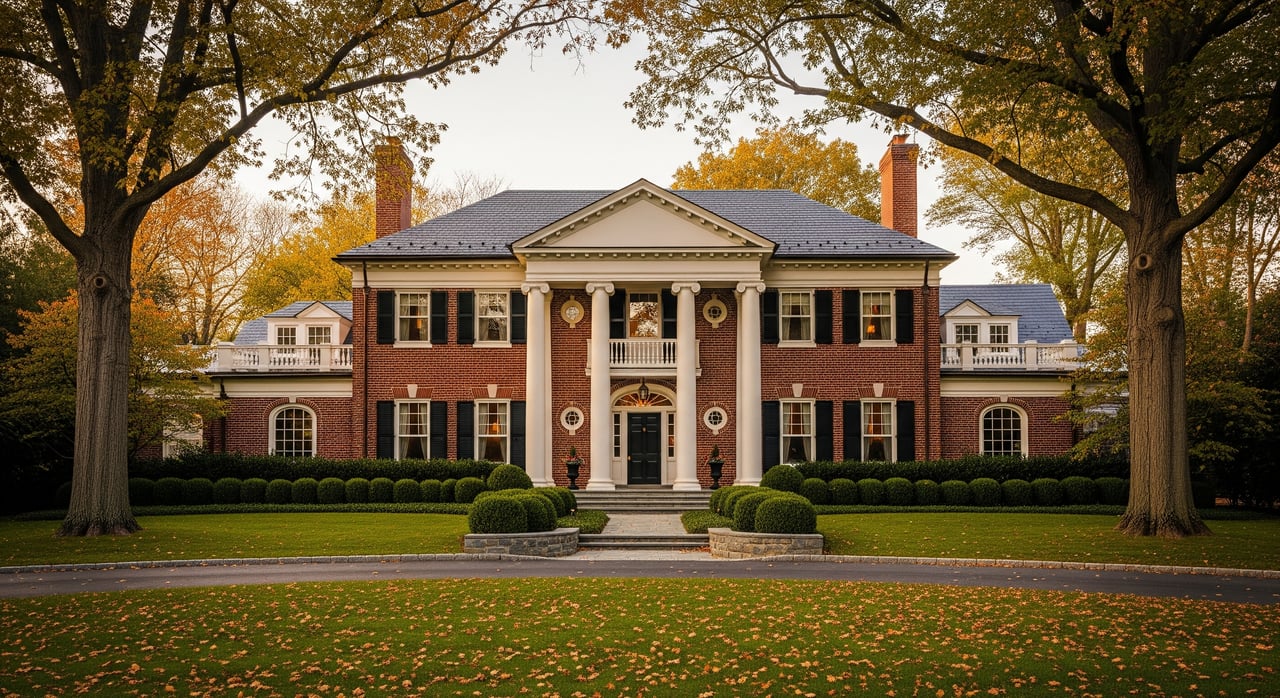
Ask anyone shopping in Madison what the market feels like and you'll hear some version of the same thing: homes move fast, offers come in stacked, don't blink or it's gone. That reputation is earned. Most of 2026, resale homes in Madison have gone under contract in roughly three to four weeks, and multiple offers on well-priced listings have been the rule rather than the exception.
Then a buyer looks at a brand-new custom build in the Hill Section, watches it sit through an open house, then another, then a price adjustment, and starts to wonder if something is wrong with the house. Usually nothing is. The house is following a different clock entirely, and understanding why matters more than any headline about days on market.
Two Clocks, One Town
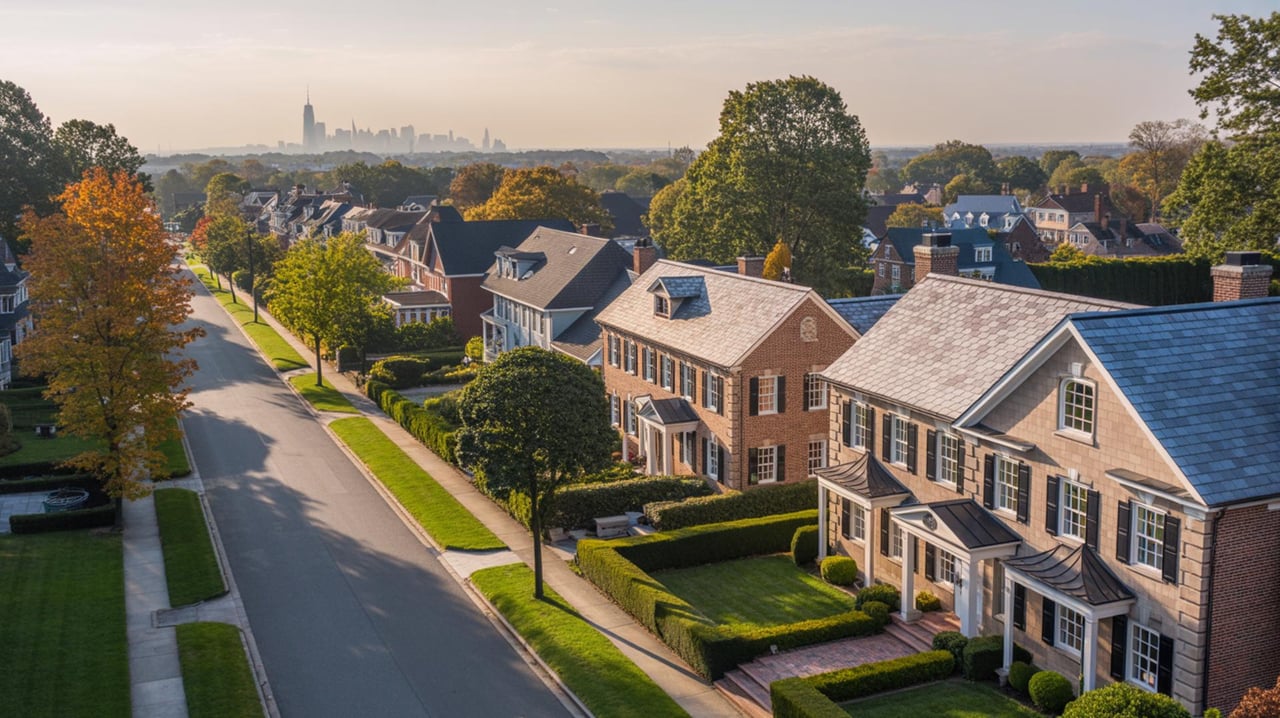
Madison's housing stock splits into segments that behave nothing alike, and lumping them into one town-wide number obscures more than it reveals. Prewar colonials and capes trade in a market with real depth: enough comparable sales, enough buyers, enough recent closings that pricing settles quickly. New construction is a different animal. It's mostly individual custom infill, one lot at a time, not a subdivision with a dozen similar units selling in sequence. Earlier this year, when Madison's new-construction inventory sat at just a handful of active listings, those homes were averaging well over two months on market before going under contract, more than triple the pace of the resale side over the same stretch.
| Segment | Typical pace | Rough price band (2026) |
|---|---|---|
| Resale (prewar colonials, capes) | About 3 to 4 weeks to contract | Roughly $700K to $1.3M for most trades |
| New construction (custom infill) | Often 2 to 3 months on market | Roughly $1.6M to $3.6M depending on lot and finish |
The gap isn't a red flag. It's the visible edge of two separate forces that only show up once you're actually trying to buy or build at that end of the market.
Where the Buyer Pool Runs Thin
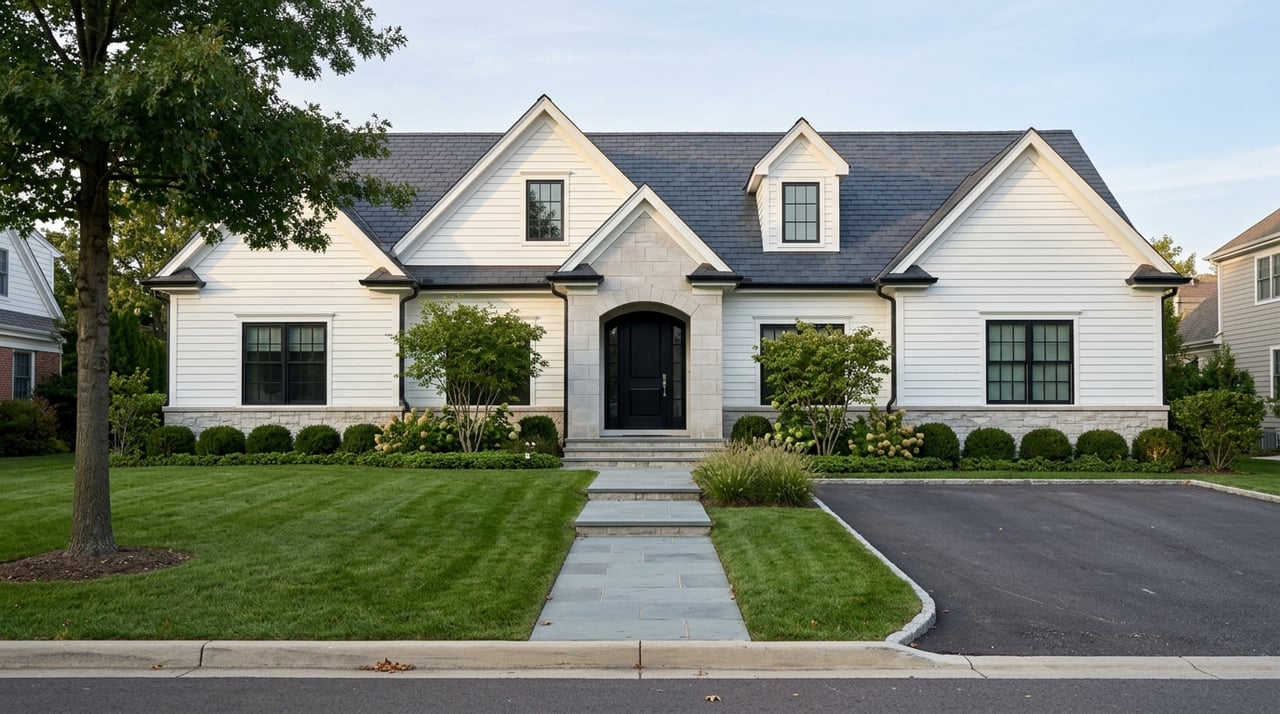
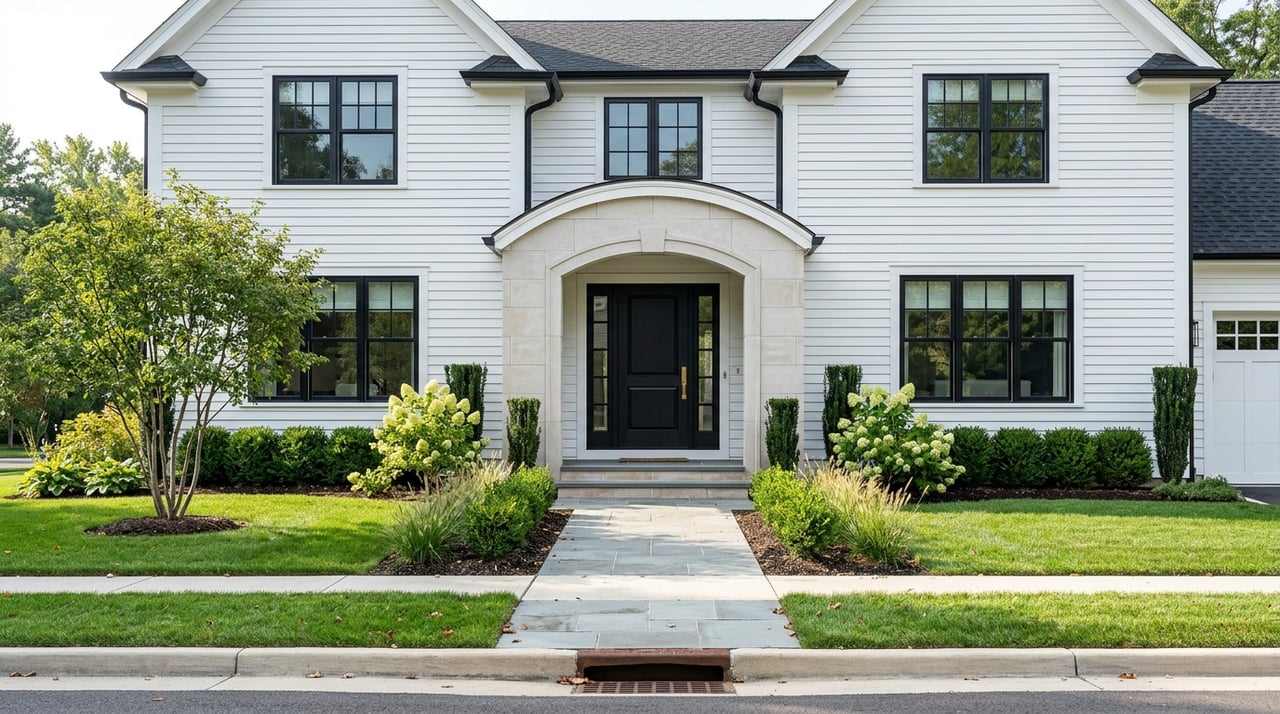
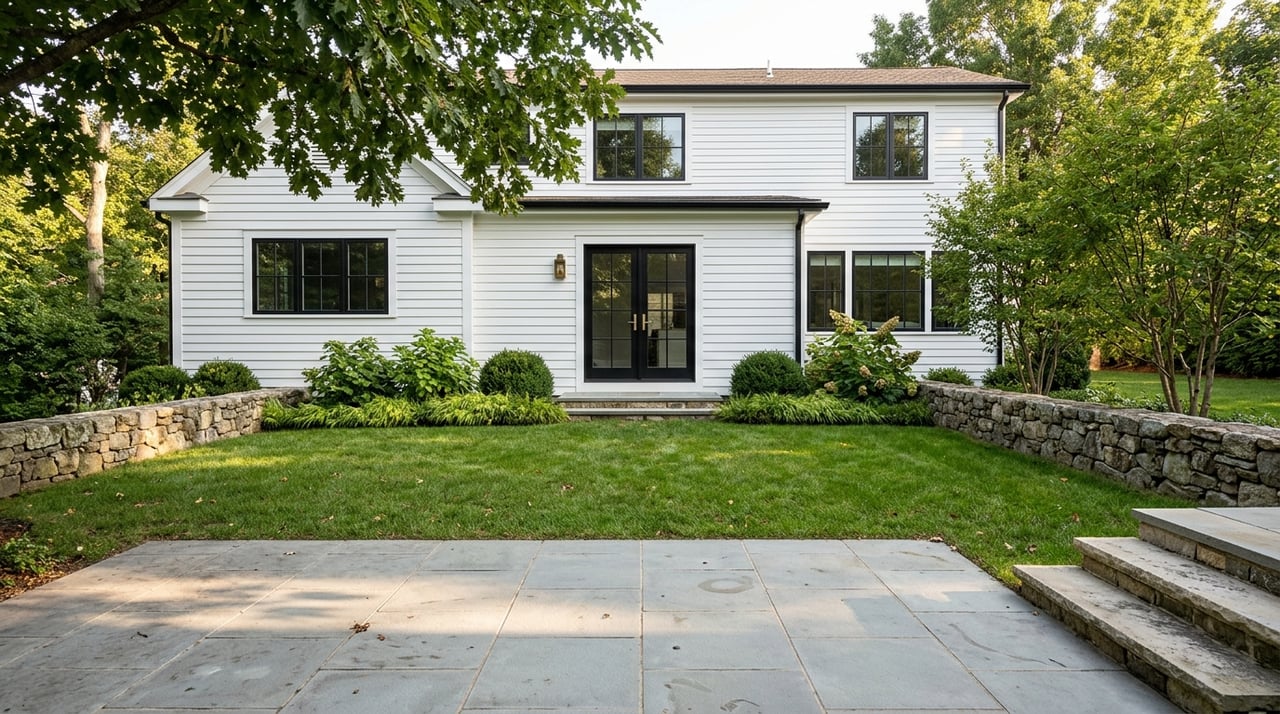
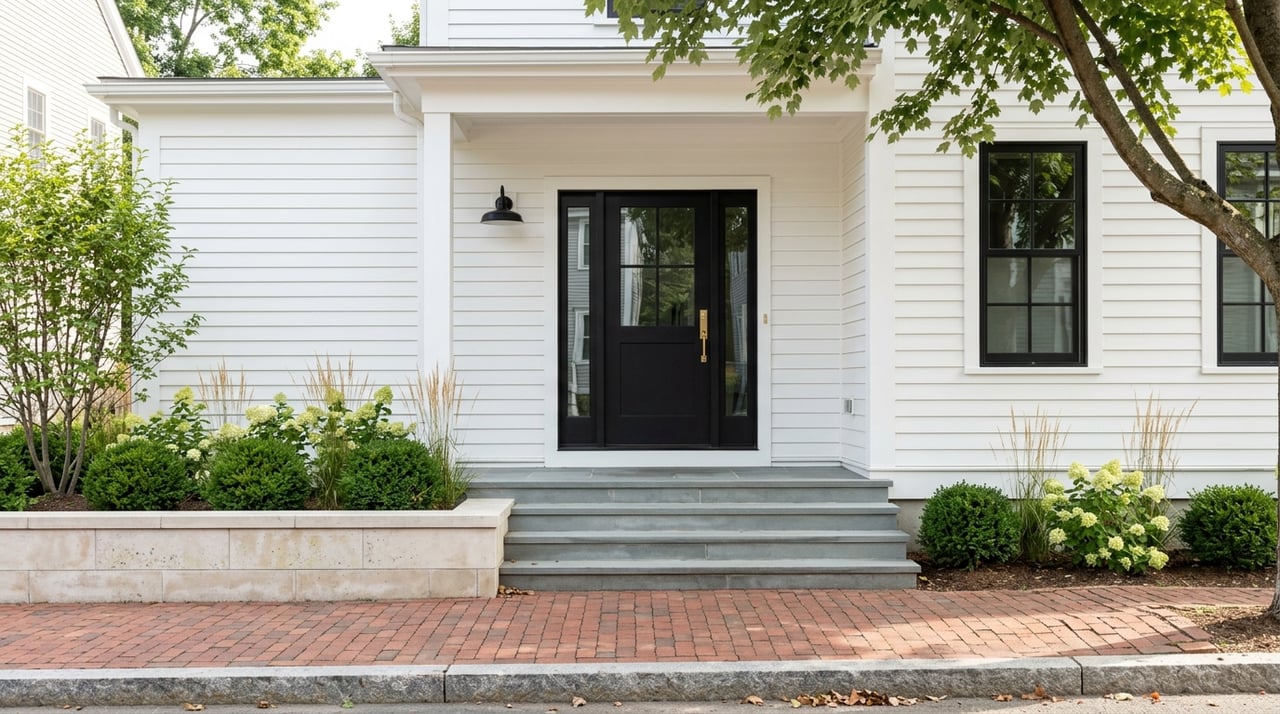
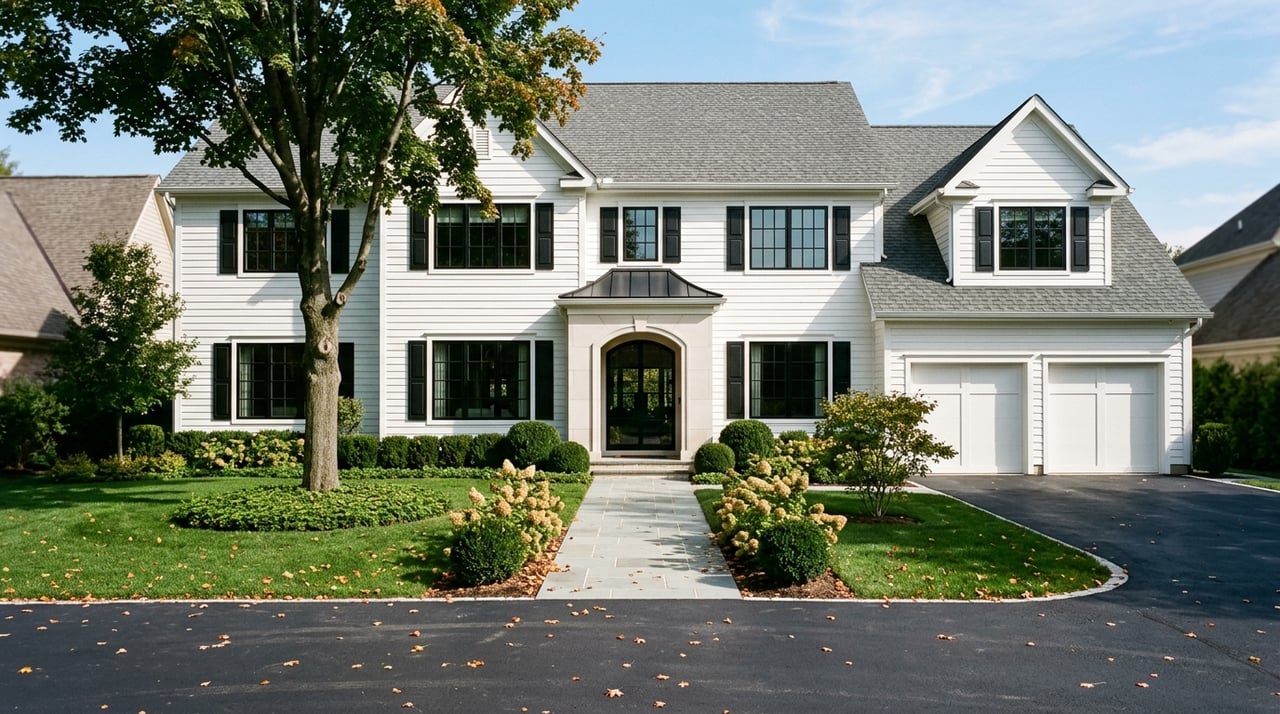
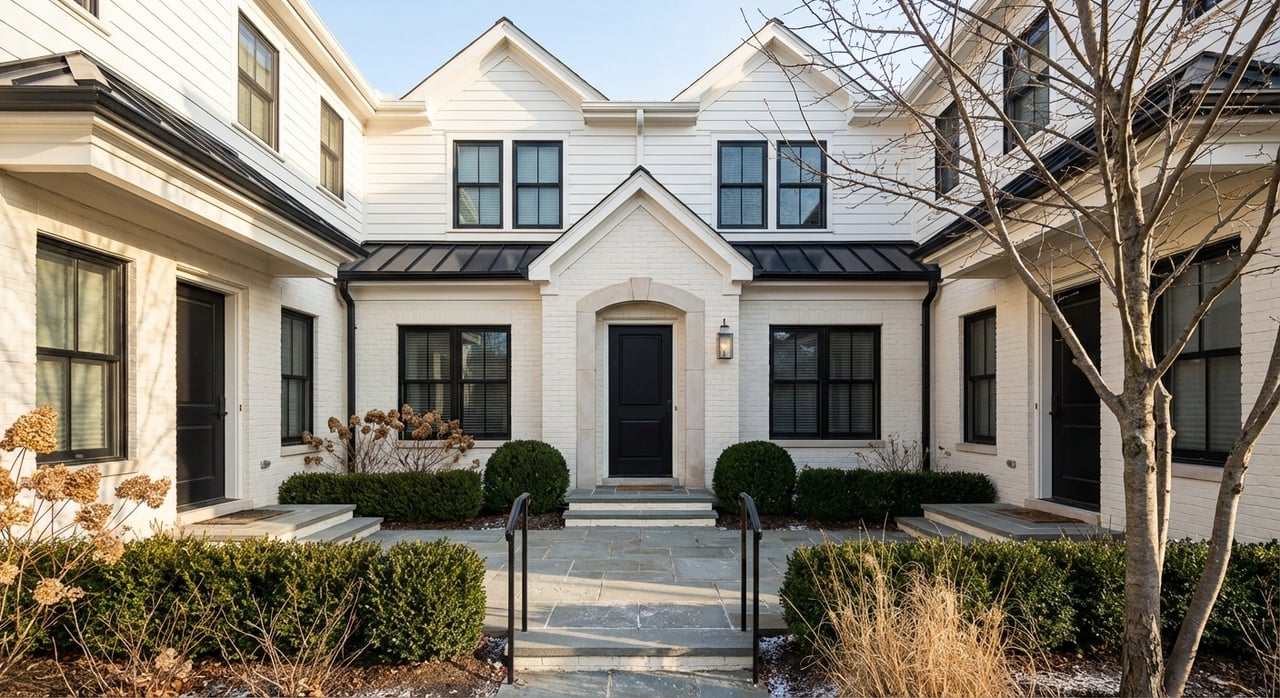
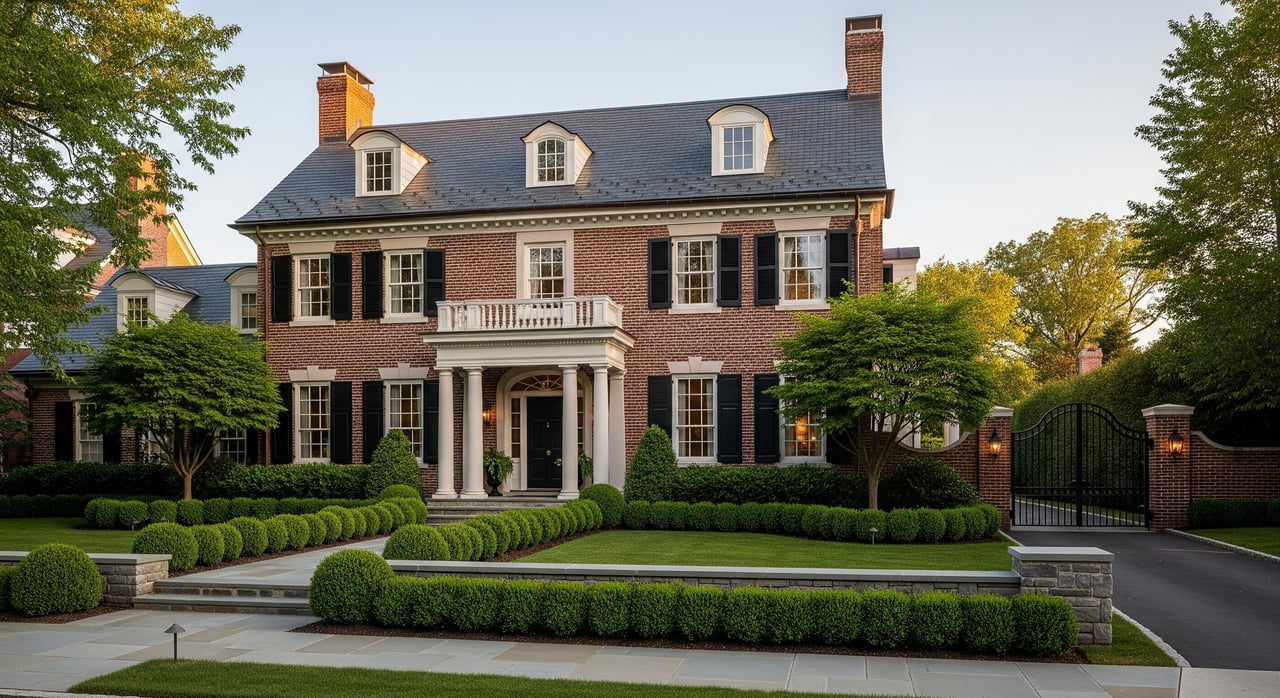
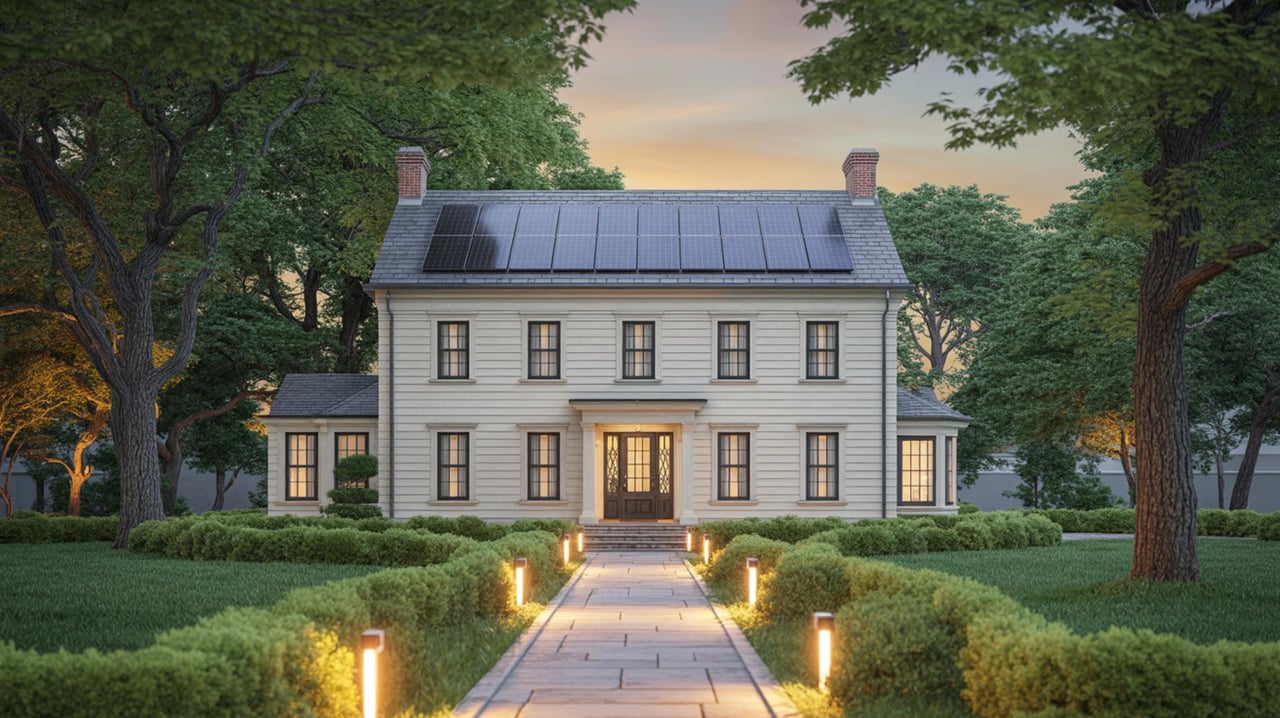
Madison has almost no room left to grow outward. The town is small and largely built out, so new construction happens almost entirely through teardowns: an older house on a good lot comes down, and a custom home goes up in its place, inheriting the same walk radius, the same mature trees, the same school assignment the old house had. That process is active right now under builders whose names recur across the town's current listings, including Canuso Homes and JTS Build & Design, the latter based just over the line in Chatham Township and building across the Chatham-Madison corridor.
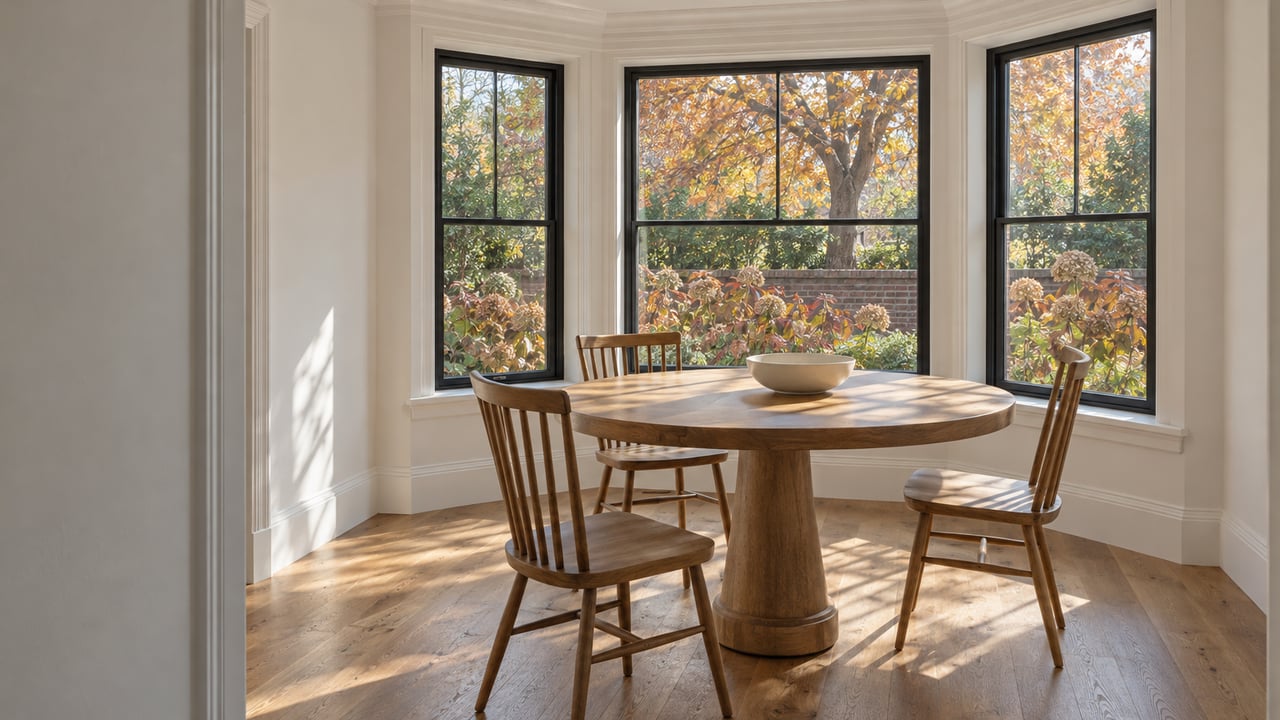
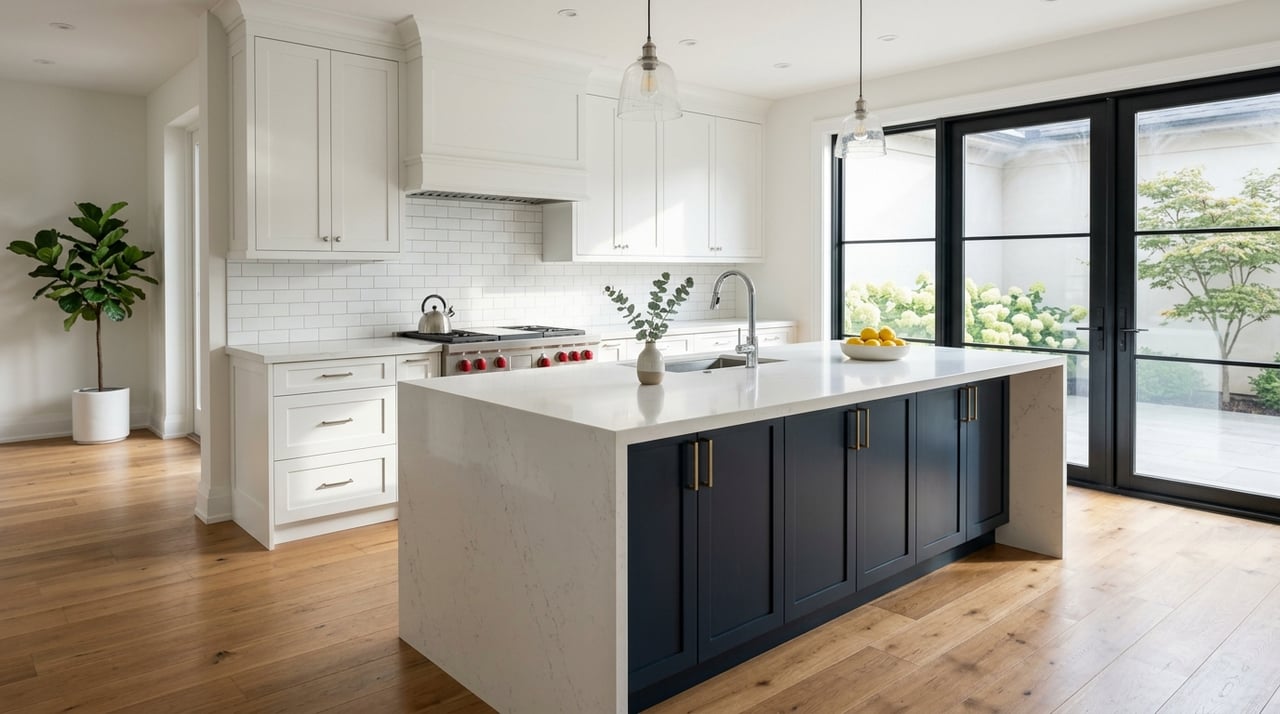
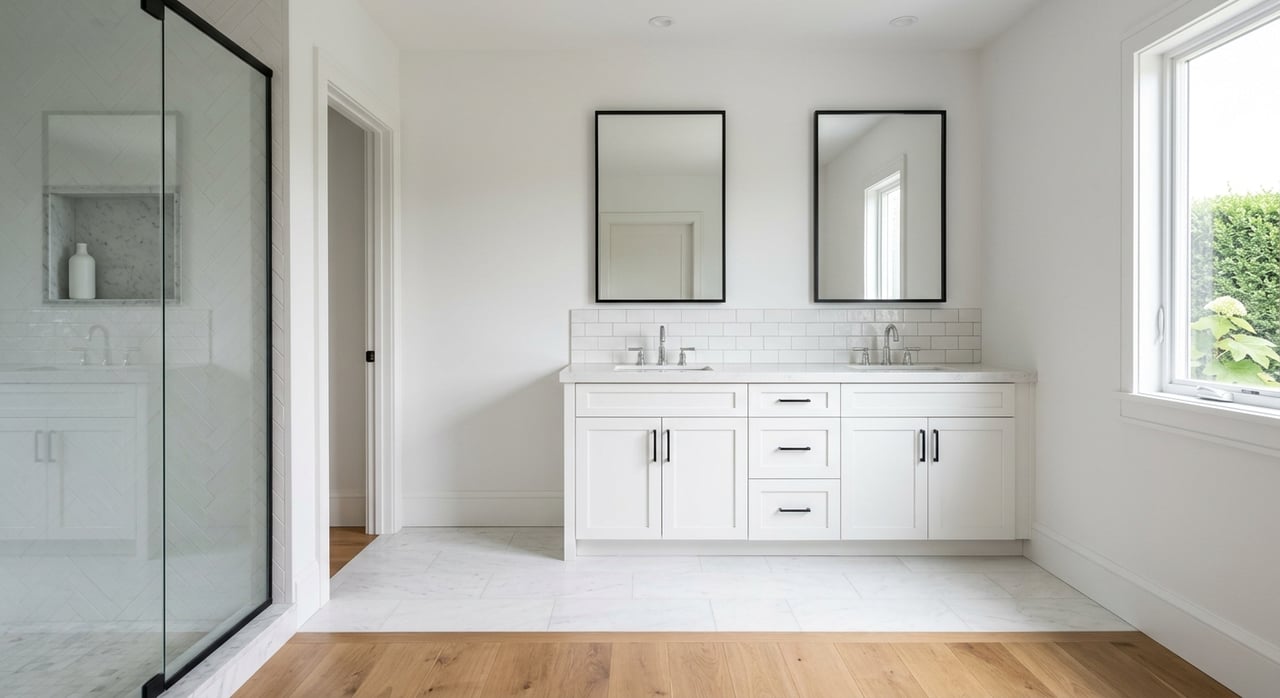
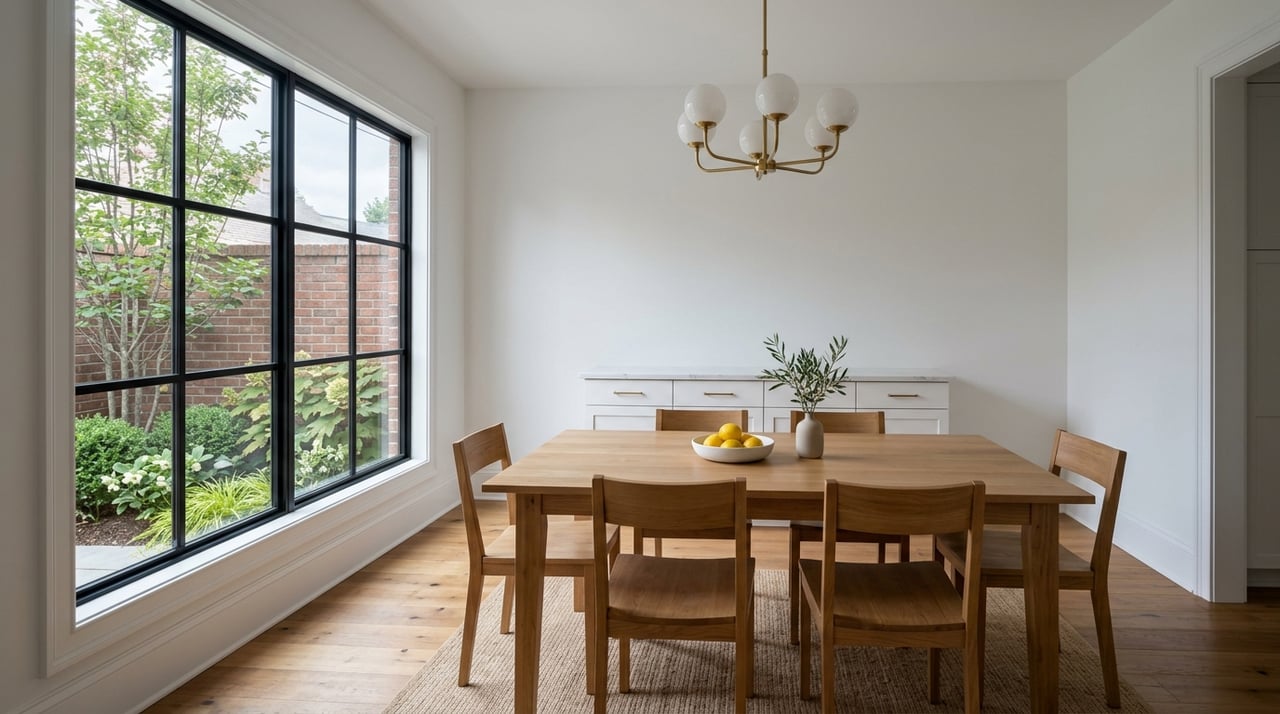
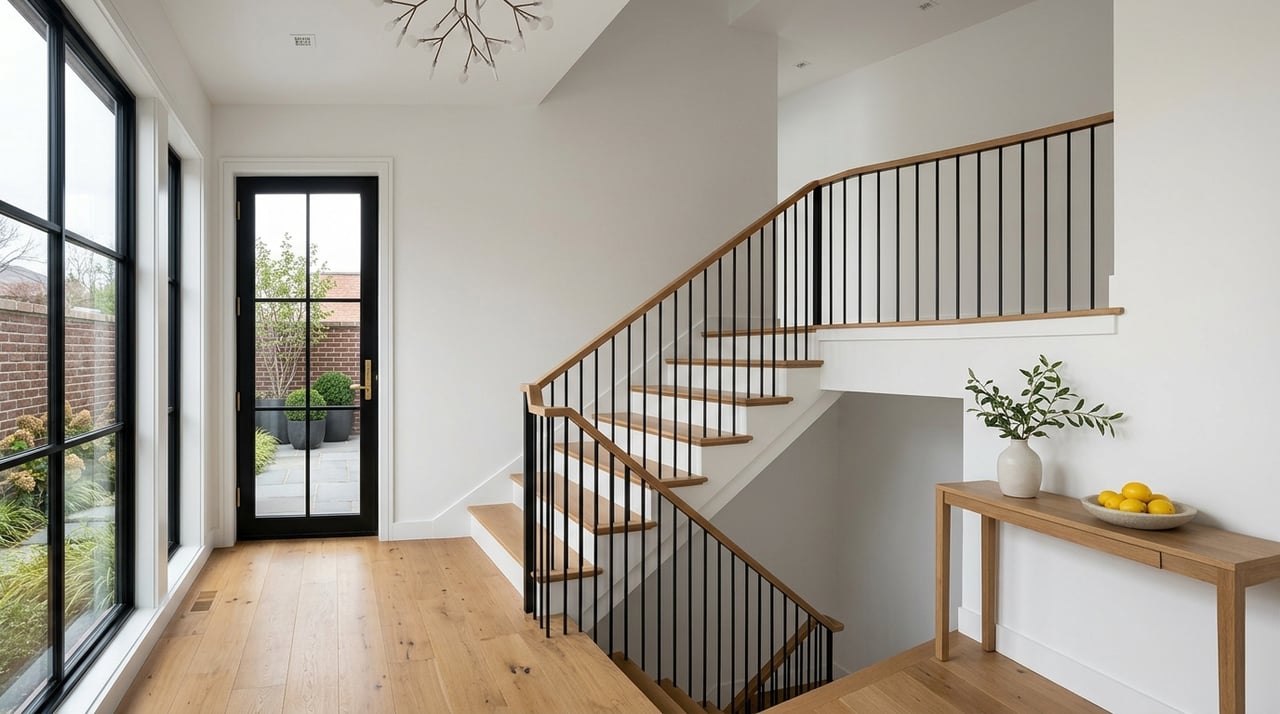
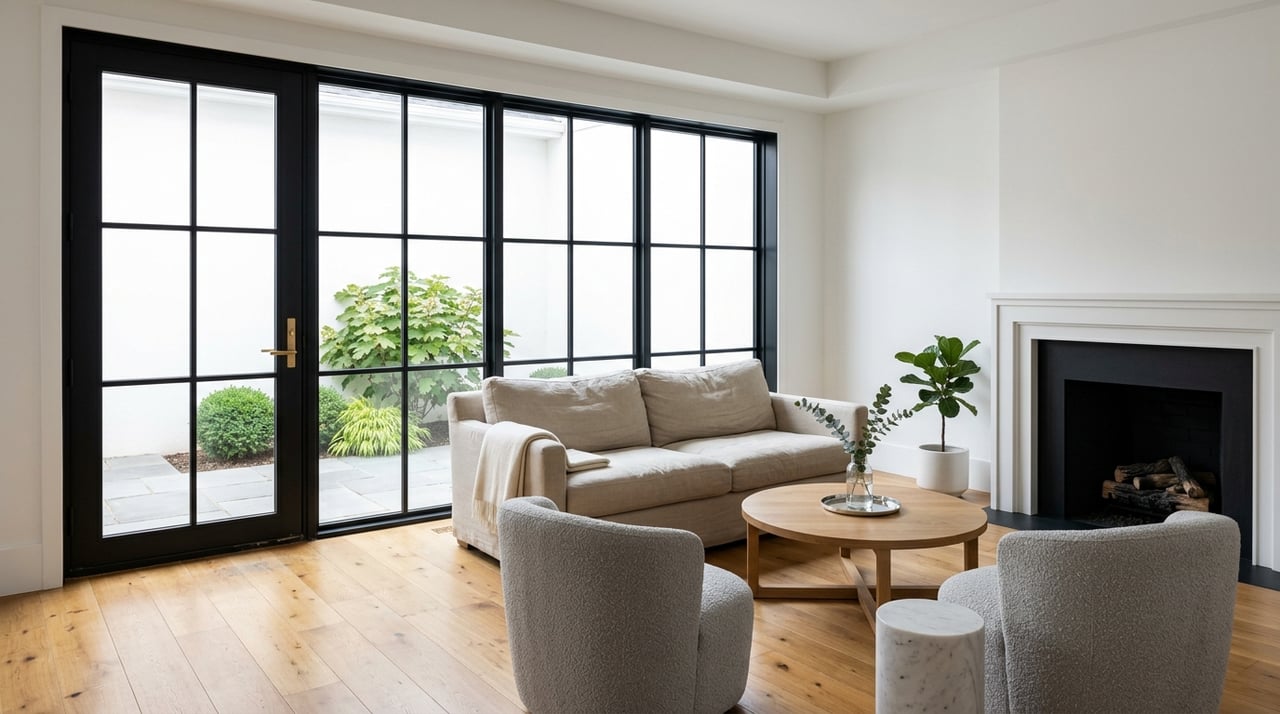
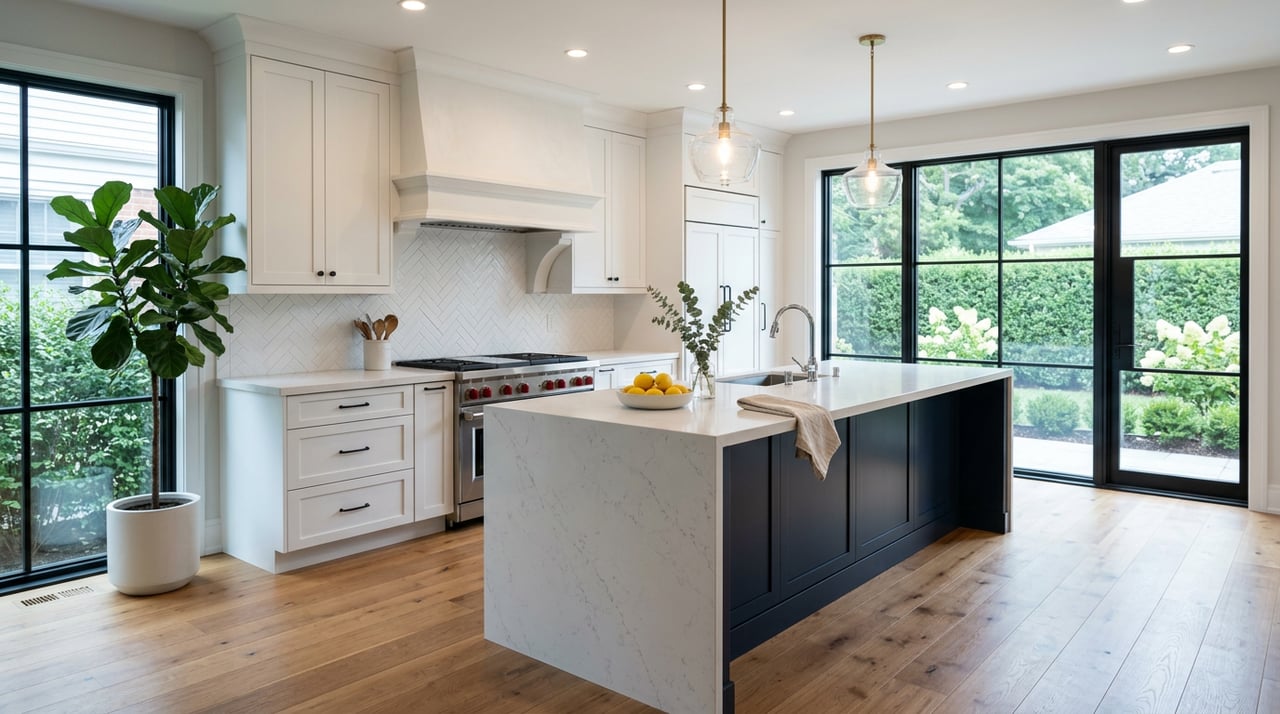
The trouble for sellers of these new homes isn't demand for Madison. It's demand at the specific price point a from-the-ground-up build requires to pencil out. Land, permits, and a genuine luxury finish package (nine-foot ceilings, wide-plank white oak, a kitchen with the kind of appliance package buyers now expect at this tier) push pricing well past $1.6 million before the driveway is poured. Above roughly $2 million, the buyer pool in a town of Madison's size thins out fast. There simply aren't as many households actively shopping at that number in any given month, so it takes longer to find the one who's ready to write an offer.
Price discovery compounds it. With only a few new-construction sales a year to compare against, builders and sellers are pricing partly against aspiration and partly against a very short list of recent comps, and it takes the market weeks to tell them if they got it right. Then there's the appraisal side: a home priced at the current ceiling is, by definition, trying to set a new one, and lenders get more cautious the closer a sale price sits to uncharted territory. None of this means the home is overpriced or undesirable. It means the segment simply requires more time to clear, every single time, regardless of how fast the rest of the town is moving.
The Approval Step Nobody Puts in the Listing Photos
There's a second friction specific to Madison that rarely makes it into a listing description but can add real weeks to a project before construction even starts: historic district review.
Madison has two designated historic districts, the Madison Civic and Commercial Historic District and the Bottle Hill Historic District, the latter running along Ridgedale Avenue and tracing back to the tavern that gave the town its original name before it became Madison in 1834. The district's period of significance stretches from roughly 1730 to 1930, and it includes some of the oldest homes still standing in town, among them the Sayre House at 31 Ridgedale Avenue and the Miller House at 105 Ridgedale Avenue.
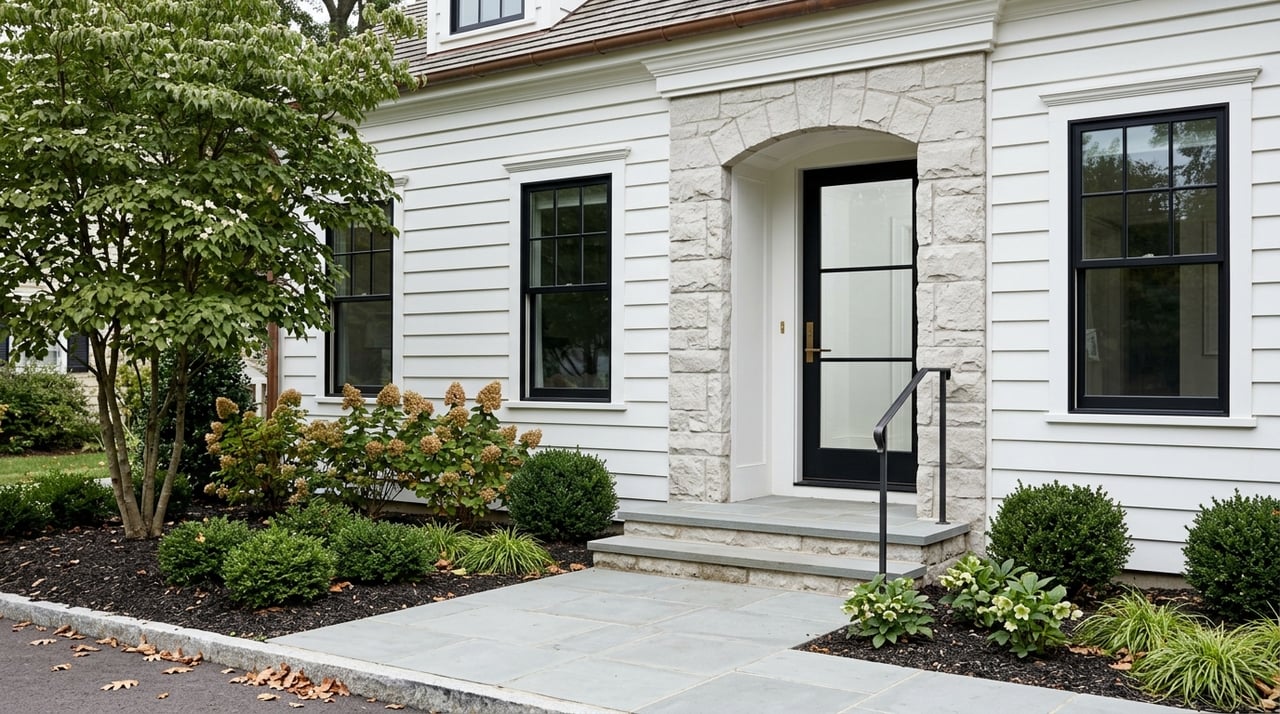
Any demolition or new construction on a designated site or within these districts requires a Certificate of Historic Review from Madison's Historic Preservation Commission before work can proceed. The commission is made up of seven volunteer residents, and by rule at least one must own property within the Civic and Commercial district and one within Bottle Hill. Skipping that review isn't a paperwork technicality the town quietly overlooks. Under the borough's own code, a property owner who demolishes or builds without first obtaining the certificate can be ordered to restore the site to its prior condition, on top of whatever zoning penalties apply.
For a buyer evaluating a teardown-rebuild lot near Ridgedale Avenue or another designated site, this review sits entirely outside the timeline a builder's marketing sheet describes. It's an extra approval step, on top of standard construction permitting, and it moves at the pace of a volunteer board's meeting schedule rather than a builder's target closing date.
What This Means If You're Comparing a New Build to a Renovated Colonial
If you're weighing a new-construction home against a renovated resale property in Madison, the pace difference isn't a coincidence and it isn't a signal to walk away from either option. It's information.
For buyers, a new build sitting on the market longer than you'd expect in this town is often the one segment where genuine negotiating room exists. A builder several weeks into carrying a finished, unsold spec home has real incentive to talk terms that a resale seller fielding five offers in the first weekend simply doesn't.
For sellers or investors considering a teardown, the historic district boundary is worth checking before you assume a straightforward build timeline. A lot two streets outside either district moves on a completely different clock than one inside it.
A few questions worth asking before any offer goes in on new construction in Madison:
- Is the lot inside the Madison Civic and Commercial Historic District or the Bottle Hill Historic District, and has a Certificate of Historic Review already been issued for this project?
- How many comparable new-construction sales closed in Madison in the past twelve months, and what did they actually sell for versus list?
- Is the builder currently registered with the State of New Jersey, and what does the new-home warranty cover in year one versus the structural coverage in later years?
- How long has this specific listing been active, and has the price moved since it first went on the market?
A Couple of Common Questions
Does the historic review requirement only apply to full teardowns? No. Check with the town before assuming a project falls outside the historic review requirement.
Does a slower new-construction timeline mean the market is cooling? Not on its own. Madison's resale side has kept moving at its usual brisk pace through 2026. The new-construction segment moves slower because it's a small, high-price tier with few comparable sales, not because buyer demand for the town has softened.
Whether you're comparing a Hill Section spec home to a renovated colonial across town, or you're sitting on a lot that might be worth more torn down than remodeled, the numbers on a listing sheet only tell part of the story. If you want a read on what a specific property, in a specific district, is actually worth to build, sell, or buy right now, Karen Torrente has spent decades watching exactly this market move. Let's Connect.
This article is general information, not legal, tax or financial advice. Consult a qualified professional about your situation.