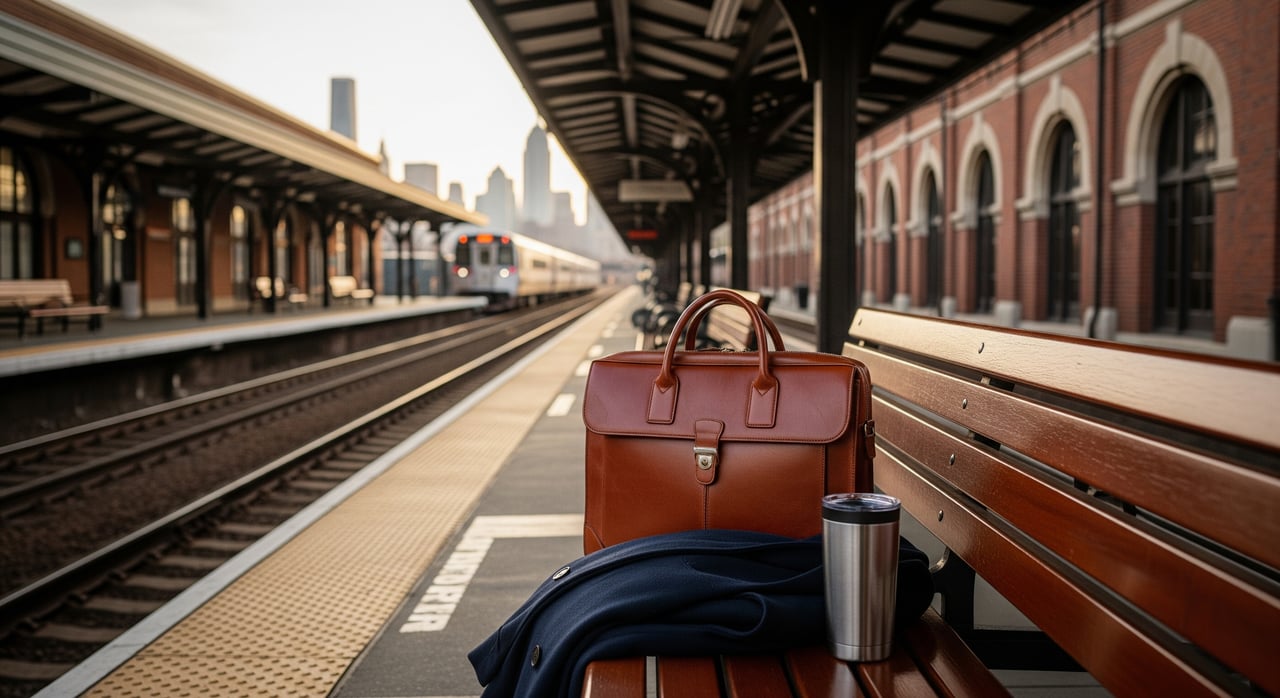
On March 1, 1889, the Madison Eagle reported that an early morning train was carrying between 40,000 and 50,000 Madison roses into New York City every day. The crates nearly filled the express car. Each evening the chests came back empty, ready to be packed again.
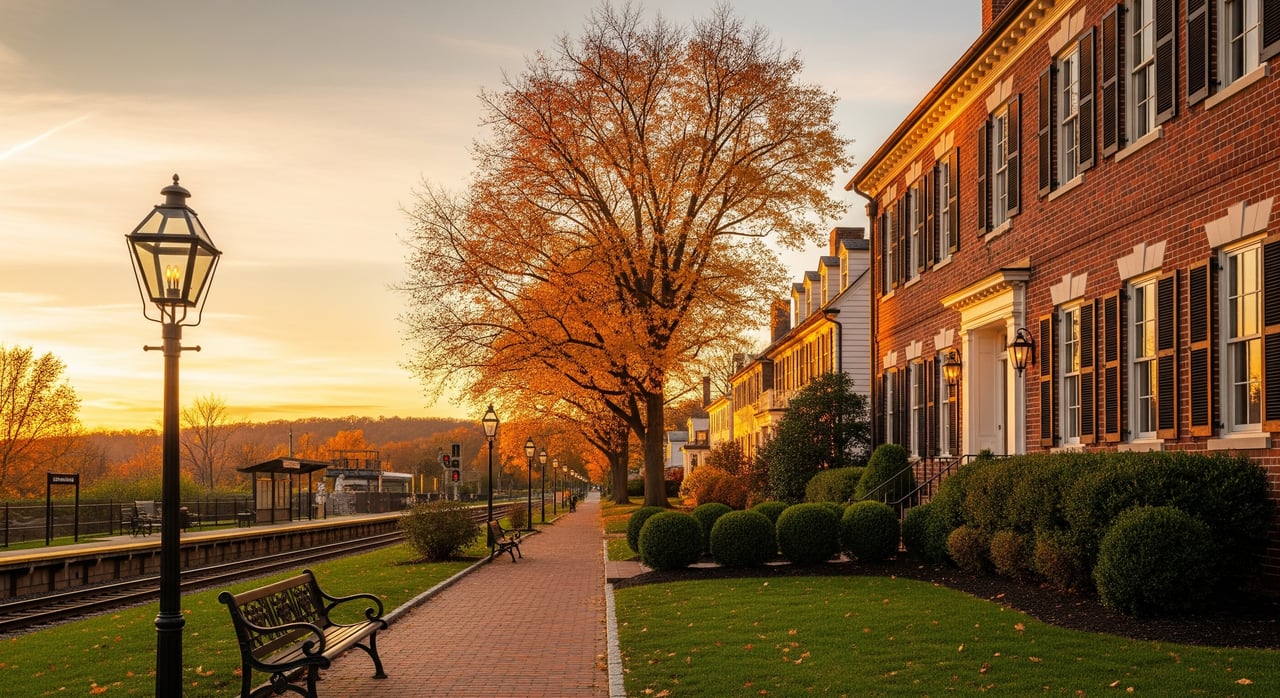
That route made Madison the Rose City. Today, a few minutes' walk from the station those roses left from, a brewery at 3 Central Avenue is pouring a beer named for that nickname. It's made from grain grown and malted in New Jersey. The tie between the two goes further than the label.
Roses picked at night, sold by noon
NJ Skylands' history of Madison's roses dates the first greenhouses to 1856, when A. M. Treadwell built them. Over the next ten years some of his neighbors built their own. By 1865 Madison was sending roses to New York City in limited quantities. In 1877 T. J. Slaughter added five greenhouses built purely for commercial growing, and he hired John N. May, a leading rose authority from England, to run them.
What made the trade work was speed. The same 1889 Eagle article explained how growers, carriers and buyers had organized the business so nothing sat in transit:
"Roses picked in the evening are in the hands of wholesale dealers at 9 o'clock in the morning and generally all disposed of to the retail florists before noon the same day."
The quality matched the logistics. A 1898 book called "The Rose" said Madison grew "the most beautiful blooms of the tea roses that the world produces." In 1908 Joseph F. Ruzicka bought the Slaughter greenhouses. Twelve miles of steam pipe there were turned into planting tables for 165,000 rose bushes. Madison growers also bred their own varieties, including Vanity Fair, Copper Luster, Shawyer, Totty Red, Matchless, Kathleen Nash, Little Princess and Spellbound.
What finally undercut the greenhouses
Rose growing peaked in 1950, with one million plants growing in and around Madison. Rising land prices in the postwar suburbs squeezed the growers. According to Art Heyl, the last rose grower in Chatham Township, the decisive blow was the Andean Trade Preference Act of 1991. Lower costs in South America then took over the market for domestic flowers.
Heyl also gave a growing rule that explains why Madison's advantage had been geography: roses should never be shipped more than seventy miles from where they're grown, to avoid black spot and other problems. For more than a century, the town's place on the rail line into New York was its edge. Once the market accepted flowers flown in from another continent, that edge stopped counting.
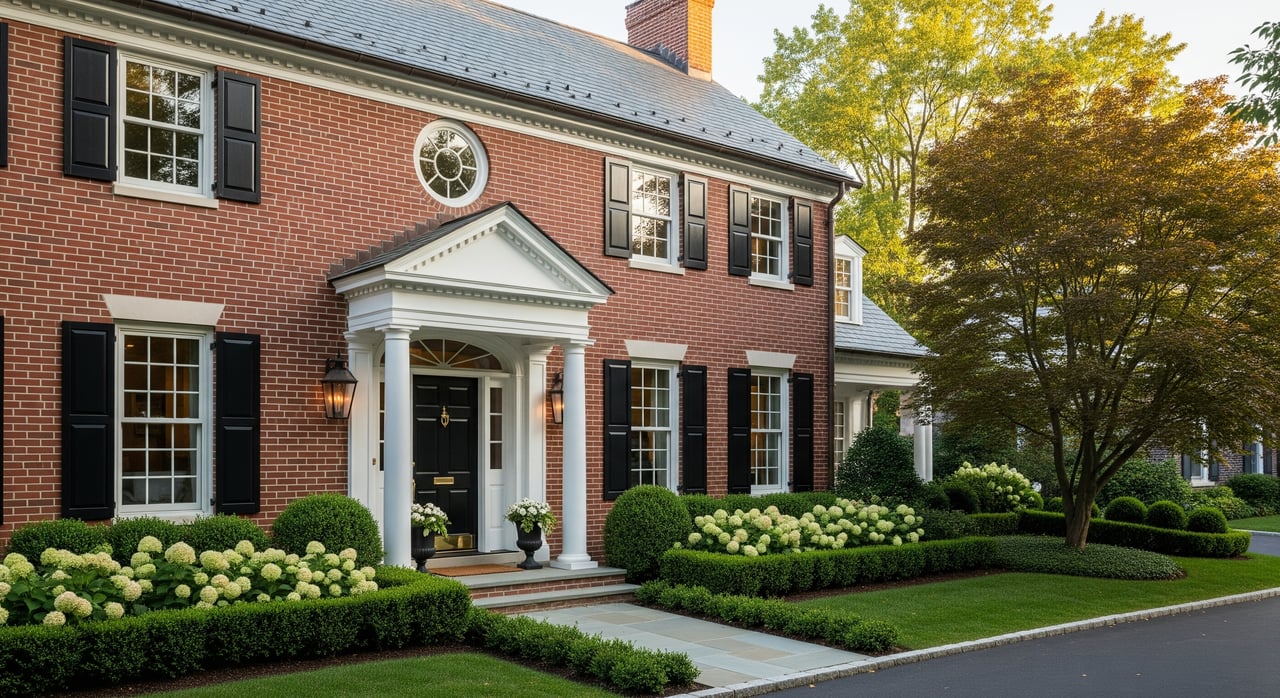
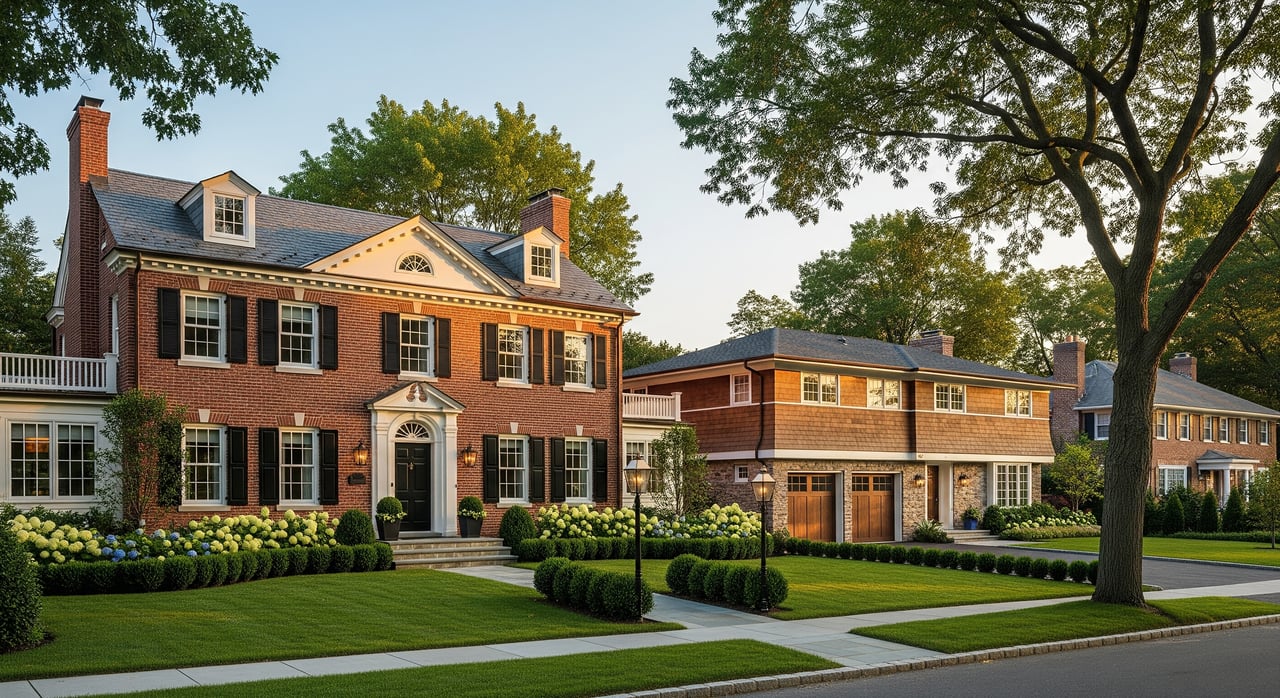
Madison already had a brewing connection in those years. Among the wealthy industrialists who settled in Madison during the rose years was Robert F. Ballentine, president of P. Ballentine and Sons Brewery.
A helles made from New Jersey fields
Rosecourt Brewery opened at noon on Saturday, July 18, 2026. Its flagship nod to the town is Rose City Lager. In its listing on Untappd, the brewery calls it "the beer we dreamed up for the city of Madison, The Rose City." It's a 4.8 percent helles brewed with traditional European lager methods and "all New Jersey grown and malted grains." The brewery uses a single decoction mash and hops it only with Hallertau Mittelfrüh from Locher-Hopfen in Tettnang, Germany. The brewery describes the result as doughy, with a lemony hop profile and herbal bitterness.
The hops come from Germany. The grain, which is where most of a helles's flavor comes from, comes from New Jersey. Rose City Lager isn't the only beer built that way. Carefree Wonder, Rosecourt's 4.6 percent Czech pale lager, is brewed only with New Jersey grown and malted Pilsner malt from Rabbit Hill Malthouse, plus Saaz hops from the Žatec region of Bohemia. It gets a triple decoction mash, and the brewery says, "Our longest brewday produces one of our simplest beers." Sonnenwelt, the hefeweizen, is mashed with a grist made up entirely of New Jersey grown and malted wheat and barley. Bring Me Sunshine, a 4.5 percent saison, uses New Jersey malted barley and raw spelt.
Rabbit Hill is a South Jersey story in its own right. According to the malthouse, siblings Hillary Barile and Blair Bakker started floor malting there in 2015, and the barley is grown and malted on the farm. On its About page, the fifth-generation family farm calls itself the home of New Jersey's first craft malthouse and promises brewers malt "with a sense of place, and a shorter supply chain to boot." The New Jersey Department of Agriculture places Rabbit Hill Farms in Shiloh, Cumberland County. The family originally farmed on Rabbit Hill Road in West Windsor before moving south. Hillary runs the farm with her father Abe Bakker, her brother Blair, and her uncle Robert Reed.
So the beer named for an industry that depended on short supply lines is made from grain on one. A Madison rose in 1889 reached a New York florist by noon the morning after it was cut. A glass of Rose City Lager starts as barley grown and malted in New Jersey.
The brewer's route back to Jersey grain
The Madison Eagle reported that Rosecourt took nearly three years of planning. It's owned and run by husband and wife Logan and Angela Rice, both Madison residents. "This has been a passion of ours," Angela Rice told the paper on opening day. "My husband, Logan, has been professionally brewing for over 10 years. And it's amazing to finally be here."
The same report traces Logan Rice's career from brewing school in Belgium to the early days of The Rare Barrel Brewing Co. in Berkeley, California, and then six years at Kane Brewers. That last stop connects to the grain story. In 2021, Edible Jersey reported that Rabbit Hill supplied at least 25 New Jersey breweries and distillers, and it named Kane among them along with Tonewood Brewing and Screamin' Hill Farm Brewery.
The building shows how the beer gets made. On opening day, the Eagle found about a dozen communal tables on an upper deck that looks down on large stainless steel tanks in the cellar one floor below.
What the fall lineup looks like
Rosecourt rotates its taps often, so a list from one visit may not match the next. These are the cold-weather beers the brewery has added to its Untappd catalog since mid-September 2026. Several of them carry the same New Jersey malt thread.
| Beer | Style | ABV | How the brewery describes it |
|---|---|---|---|
| Autumn Sunset | Märzen | 5.6% | German and New Jersey malts, double decoction, notes of bread crust and biscuits |
| Oregold | Festbier | 5.2% | German and New Jersey malted barley, "best drank from 1L Maßkrug" |
| Pumpkin Patch | Pumpkin ale built on an English dark mild | 5% | Chevalier barley, dozens of roasted sugar pie pumpkins, house pie spice |
| Bleak House Coconut & Chocolate | Imperial pastry stout | 8% | Cacao nibs from Haiti and Monte Plata, hundreds of pounds of coconut |
Rose City Dark, a Munich dunkel, rounds out the darker side of the catalog. It works as a companion to the helles. Pumpkin Patch is a good example of how the brewery thinks about tradition. It starts from an English pub style and builds the seasonal beer from there. A local guide from August described the house approach as a blend of the cozy British pub and the classic German brewery.
Getting there this month
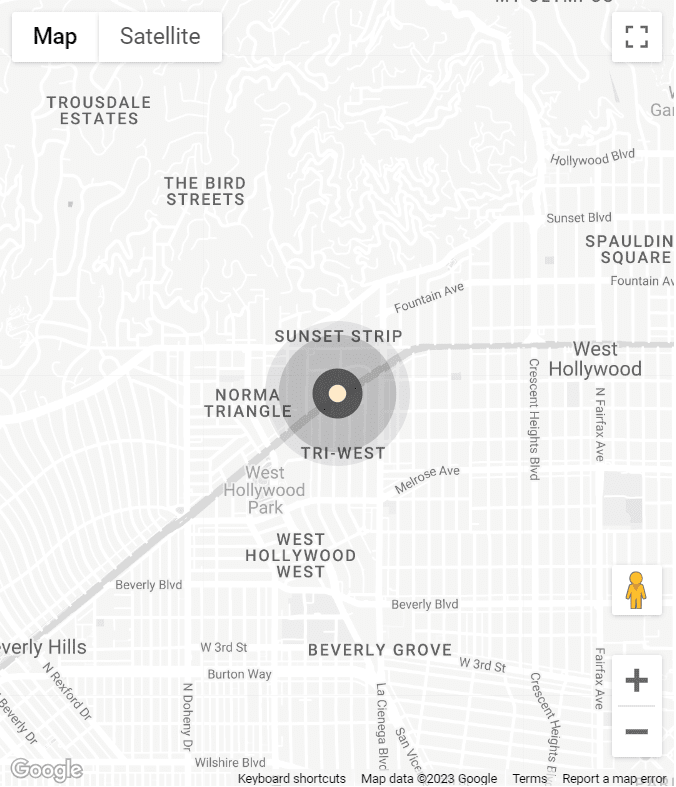
Rosecourt is at 3 Central Avenue, a short walk from the Madison train station and the shops along Main Street. The taproom hours published in late August 2026 were:
- Wednesday, 3 to 8 p.m.
- Thursday through Saturday, noon to 9 p.m.
- Sunday, noon to 7 p.m.
- Monday and Tuesday, closed
The brewery posts current hours and the day's tap list on its Instagram page, so check there before you head over, especially around the holidays.
If you're planning Thanksgiving weekend, TAPinto Madison lists the Turkey to Tinsel Art & Craft Fair for Sunday, November 29, from 11 a.m. to 4 p.m., at St. Vincent Martyr Catholic Church, 26 Green Village Road. It has 70-plus vendors, and admission and parking are free. The fair ends three hours before Rosecourt's published Sunday closing time.
If you have family visiting this month and want to show them a bit of Rose City history over a pint of Rose City Lager, Karen Torrente is glad to share more of the Madison stories behind the town's names and streets. Let's Connect.